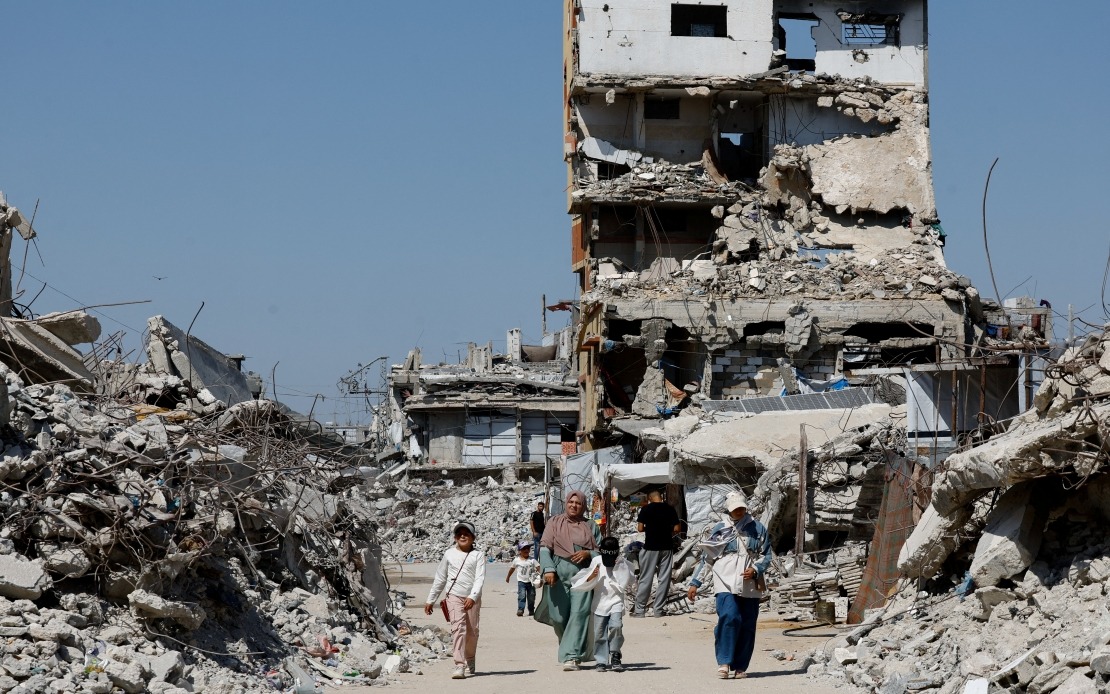
The humanitarian situation in Gaza has deteriorated further, with Palestinian health authorities documenting 10 additional deaths and 25 injuries over the past 24 hours, pushing the overall casualty count from the prolonged Israeli military campaign to 73,417 people killed since October 2023. The Gaza Health Ministry released the updated figures on Thursday through its daily statistical bulletin, noting that hospitals across the territory received both the bodies and wounded individuals during the reporting period.
The escalating violence underscores the fragile state of a ceasefire arrangement supposedly established in October 2025. Despite the purported truce, Israeli military operations have continued unabated across multiple zones within the blockaded enclave, with artillery shelling and gunfire reported in numerous locations. Health officials were unable to specify the exact nature of the 10 deaths recorded in the latest 24-hour window, as the ongoing combat operations have made comprehensive casualty assessment increasingly difficult.
A particularly concerning aspect of the current situation is that rescue operations remain severely hampered. Ambulance services and civil defence crews are unable to access many areas where Palestinians remain trapped beneath collapsed buildings or lying on roads. This access deficit means the recorded death toll likely understates the true human cost, as bodies and injured individuals in unreachable zones cannot be retrieved or treated. The inability to conduct effective rescue operations represents a critical breakdown in basic humanitarian response capabilities.
Since the October 2025 ceasefire nominally took effect, the Health Ministry attributes 1,283 deaths directly to Israeli violations of the truce agreement, with an additional 4,248 people wounded during this period alone. These figures reveal that even during what was supposed to be a cessation of hostilities, the scale of violence has remained substantial. The pattern of ceasefire violations suggests either systematic breaches by military forces or a complete breakdown in enforcing the supposed agreement across different sections of Gaza.
The cumulative injury figures paint an equally grim picture, with 174,360 Palestinians wounded since the campaign began in October 2023. This vast number of injured individuals places extraordinary strain on Gaza's already decimated healthcare infrastructure, with hospitals struggling to provide adequate treatment. Many of the wounded require ongoing medical care, rehabilitation, and psychological support, yet resources to deliver such services are severely constrained.
Beyond the immediate human toll, the campaign has inflicted devastating damage to Gaza's physical infrastructure. Approximately 90 percent of the territory's civilian infrastructure has been damaged or destroyed, creating a humanitarian emergency that extends far beyond combat casualties. Homes, schools, clinics, water systems, and other essential facilities have been rendered unusable, displacing populations and creating desperate living conditions for those remaining in the enclave.
The United Nations has assessed the cost of reconstructing Gaza's destroyed infrastructure at approximately US$70 billion, a figure that underscores the scale of destruction. This massive reconstruction bill reflects not only the physical damage but also the magnitude of the humanitarian crisis that will persist for years after any final resolution. For a territory with an impoverished population, such reconstruction needs are effectively insurmountable without massive international assistance.
For Malaysia and other Southeast Asian nations, the Gaza situation carries significant implications. As Muslim-majority countries and members of the Non-Aligned Movement, Malaysia has historically advocated for Palestinian rights within international forums. The ongoing humanitarian catastrophe in Gaza tests the commitment of regional governments to translate rhetorical support into concrete diplomatic action and international advocacy. The scale of civilian casualties and infrastructure destruction challenges the international community's stated principles regarding protection of civilians in armed conflict.
The ceasefire violations also raise questions about international mechanisms for conflict resolution and enforcement. If agreements cannot be upheld even on paper, it undermines confidence in negotiated settlements as paths toward ending regional conflicts. For Southeast Asia, where numerous borders remain disputed and international agreements are critical to maintaining peace, the failure of Gaza's ceasefire framework offers cautionary lessons about the requirements for sustainable conflict resolution.
The humanitarian dimensions of the Gaza crisis—mass displacement, infrastructure destruction, healthcare collapse, and psychological trauma—create precedents that could influence how the international community responds to future conflicts in Asia and beyond. Malaysia's foreign policy approach to the situation, balancing advocacy for Palestinian rights with diplomacy aimed at achieving genuine peace, reflects the complex positioning many developing nations must navigate in Middle Eastern affairs.

