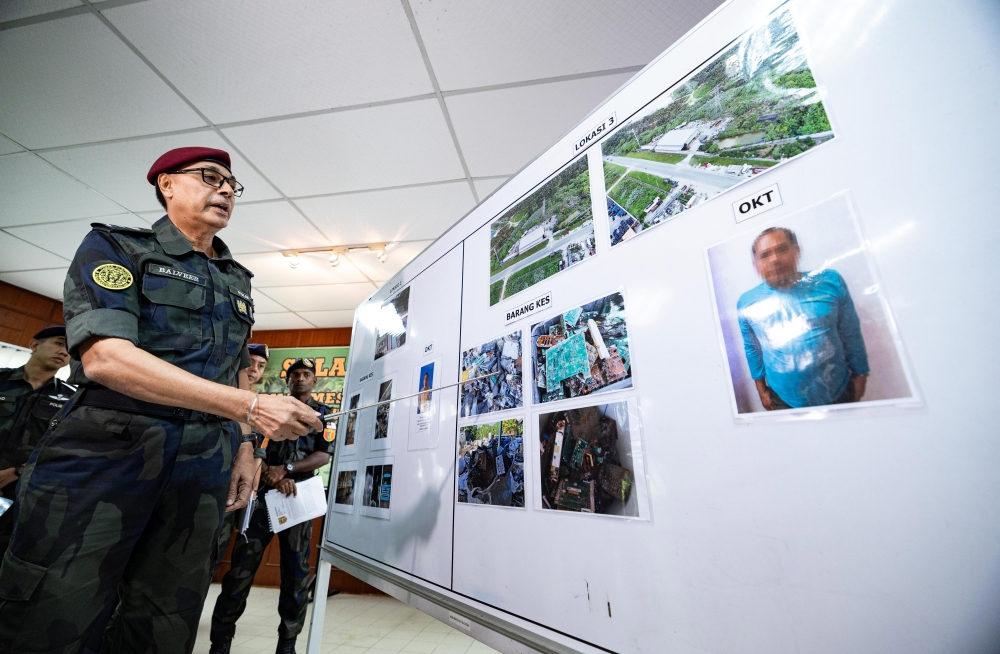
The General Operations Force Northern Brigade conducted a significant enforcement operation in Ipoh, confiscating 120,220 kilogrammes of illegal electronic waste valued at RM9.39 million. The operation resulted in the detention of 14 individuals suspected of involvement in unauthorised e-waste trafficking and recycling activities. The seizure underscores growing concerns about the environmental and public health risks posed by unregulated electronic waste operations across Malaysia's northern region.
The enforcement action targeted premises engaged in the clandestine processing and distribution of discarded electronics without proper licensing or environmental safeguards. E-waste trafficking has emerged as a persistent problem in Malaysia, with criminal networks exploiting weak enforcement mechanisms to illegally import, store, and process hazardous electronic materials. The confiscated materials included circuit boards, processors, cables, and other components stripped from obsolete devices, representing the scale of underground operations that have proliferated despite regulatory restrictions.
Malaysia faces mounting pressure from accumulated electronic waste as consumer electronics consumption surges across the region. The informal recycling sector, though providing employment to thousands, operates largely outside regulatory frameworks designed to protect workers and the environment. Uncontrolled dismantling of electronics releases toxic substances including lead, mercury, and cadmium into soil and water sources. Workers in illegal facilities frequently lack protective equipment, exposing themselves to severe health hazards while extracting precious metals and recyclable components.
The Northern Brigade's coordinated raids represent part of a broader enforcement strategy to dismantle unauthorised recycling networks. Environmental agencies and law enforcement have intensified joint operations targeting the most prolific operators, recognising that fragmented enforcement allows criminal syndicates to relocate operations and resume activities quickly. The scale of this particular seizure suggests the GOF targeted a significant hub within a larger distribution network rather than an isolated operation.
Penal sanctions for illegal e-waste handling remain modest relative to the profits generated through black-market recycling. Seized materials undergo proper disposal or recovery processes at government-approved facilities, adding to public expenditure while offenders face relatively light penalties. This cost-benefit imbalance incentivises repeat offending, particularly among networks with established supply chains and export routes. The 14 detainees will face investigations that may lead to charges under environmental protection laws, but sentencing typically remains insufficient to deter large-scale operations.
Southeast Asia has become a dumping ground for electronic waste from developed nations, with Malaysia serving as a transit hub for materials officially destined for legitimate recycling but instead processed through illegal channels. Traffickers exploit regulatory gaps between origin countries and Malaysia's enforcement capacity, relying on corrupt officials and complicit logisticians to move contraband through ports and borders. The RM9.39 million valuation reflects the commercial appeal of recovered materials rather than genuine value, as illegal operators typically extract only the most lucrative components, leaving hazardous residues behind.
The Ipoh operation occurs against the backdrop of Malaysia's commitment to meet international e-waste management standards under the Basel Convention, which restricts the transboundary movement of hazardous wastes. However, implementation lags enforcement, with insufficient infrastructure for processing domestically generated electronics and insufficient inspections at entry points where smuggled waste enters the country. Local authorities struggle to match the sophistication of trafficking organisations that exploit port congestion and documentation complexities to conceal contraband shipments.
Worker safety in informal recycling poses particular risks in Perak, where industrial zones host numerous unregistered facilities operating in warehouses and rural locations. Employees, often migrants or economically vulnerable locals, dismantle electronics using crude methods, inhaling fumes and handling toxic substances without training. The arrest of 14 individuals likely encompasses operators, supervisors, and labourers, though distinguishing between those who directed illegal operations and those who simply worked within them presents investigative challenges.
The environmental footprint of illegal e-waste processing extends beyond immediate workplace hazards. Improper disposal of processing residues contaminates water sources relied upon by agricultural communities and residential areas. Heavy metal bioaccumulation through contaminated crops and fish creates long-term public health consequences that persist years after enforcement operations close specific facilities. Ipoh's location in the industrial corridor heightens concerns about cumulative environmental impacts from multiple unregulated facilities operating simultaneously.
Moving forward, Malaysia requires expanded licensed recycling capacity and stricter port inspections to address the underlying conditions enabling e-waste trafficking. Regional cooperation with Thailand, Indonesia, and Singapore could establish common standards and information-sharing mechanisms to track transboundary movements. Simultaneously, producer responsibility schemes incentivising manufacturers to manage end-of-life products would reduce dependence on black-market recycling. The GOF's enforcement action demonstrates capability but highlights the need for complementary policy measures addressing supply-side pressures and workplace exploitation within the informal sector.

