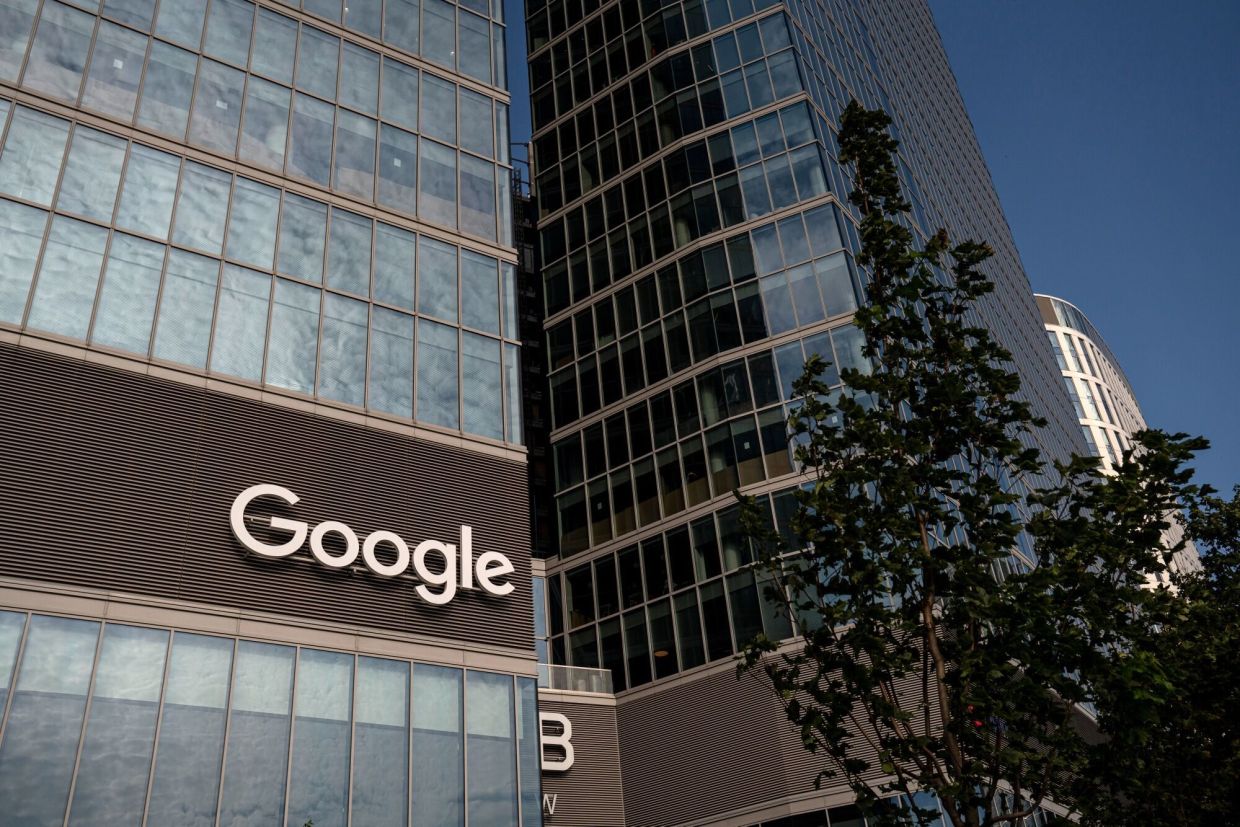
In a striking contradiction of corporate confidence, researchers at Google DeepMind who specialise in AI safety have warned job applicants not to trust the company's own artificial intelligence hiring systems. The team responsible for studying how to mitigate risks from advanced AI has instructed candidates applying for open positions to submit a bypass form alongside their conventional applications, according to an internal document obtained by Bloomberg. This candid acknowledgment from within Google's own ranks highlights growing concerns about the reliability and fairness of algorithmic recruitment tools now being widely deployed across the corporate world.
The special form created by Google DeepMind's AGI Safety and Alignment Team explicitly states that there exists "a non-trivial probability your CV will be screened out incorrectly or take too long to reach us." By completing this additional document, applicants ensure their materials reach human reviewers on the team directly, circumventing the company's standard automated screening process. The existence of this workaround—marked with an internal warning not to share widely—suggests that even the engineers designing AI safety systems lack confidence in recruitment AI when it affects their own hiring decisions.
Google's corporate response attempted to downplay the issue while acknowledging the practical arrangement. A company spokesperson denied that the hiring systems actually filter candidates incorrectly, instead characterising the special form as a shortcut that allows the team to bypass the recruitment department and present resumes directly to hiring managers. However, this explanation inadvertently reinforces the core problem: if the standard system were reliable, there would be no need for special pathways. The fact that the company's own AI researchers felt compelled to create an exception suggests deeper systemic issues with how these tools evaluate candidates.
Alphabet Inc has been actively promoting its AI hiring capabilities to corporate clients as a solution for managing large application volumes. Google's Workspace division, which sells business software including Google Drive, now markets new AI features that promise to "save HR time by quickly creating drafts for job postings, evaluating resumes, and forecasting hiring needs." The company positions these tools as efficiency solutions, yet the internal evidence suggests they may inadvertently screen out promising candidates and create bottlenecks rather than streamline the process.
The broader context of AI in recruitment reveals a troubling pattern of deployment without adequate safeguards. Some companies use AI models to rank applicants, while others filter resumes by keyword matching—approaches that risk filtering out qualified candidates who may use different terminology or lack conventional credentials. This technological momentum toward automated screening has occurred even as concerning evidence emerges about potential discriminatory outcomes. A Bloomberg investigation discovered that OpenAI's ChatGPT displayed signs of bias correlated with applicants' names, suggesting that AI systems trained on historical hiring data may perpetuate existing patterns of discrimination.
The legal risks associated with biased AI recruitment are becoming concrete. Workday Inc, a major provider of workplace management software used by thousands of companies, faces a lawsuit alleging that its AI hiring systems screen out candidates on the basis of race, age, and disability in violation of employment law. The company has denied these allegations, insisting that human recruiters make final hiring decisions, though this claim rings hollow given that AI systems often determine which candidates ever reach human review. The company has declined to provide additional comment on the specific technical concerns raised in the litigation.
Beyond the question of discrimination, AI hiring systems are vulnerable to gaming by savvy applicants. Some job seekers are using AI tools themselves to generate applications at scale or craft responses optimised for algorithmic filters. Google DeepMind's team anticipated this problem and explicitly warned candidates in their bypass form that human reviewers "get really tired of reading LLM answers, because they all sound very samey." This advice suggests that even as candidates adapt to algorithmic screening by using AI to generate applications, those same techniques create homogenised, unconvincing submissions that fail to impress human evaluators.
The situation at Google DeepMind reveals a fundamental contradiction at the heart of rapid AI adoption in corporate processes. The company's engineers who study how to ensure AI systems behave safely and reliably apparently concluded that their own company's hiring AI does not meet these standards. Rather than attempt to fix the underlying system—a process that would require investment and time—the team opted for a workaround that essentially admits the technology is not ready for its intended purpose. This pragmatic response, while helpful for their applicants, masks a deeper institutional failure to ensure that tools deployed company-wide actually function as advertised.
For Malaysian and Southeast Asian organisations increasingly considering AI-powered recruitment, the Google DeepMind situation offers a cautionary tale. While AI hiring tools promise efficiency and objectivity, the internal evidence from one of the world's leading AI companies suggests these systems remain unreliable. The technology may be particularly problematic in diverse labour markets where hiring discrimination remains a concern and where conventional resume formats may not adequately represent candidate qualifications, especially in developing economies where educational credentials and career progression patterns differ from Western norms.
The irony of Google promoting AI hiring solutions while its own safety researchers distrust them raises questions about corporate accountability and transparency. If the company's own teams cannot rely on these systems, how can smaller organisations with fewer resources to audit AI outcomes be confident that the tools will treat their applicants fairly? The special form created by Google DeepMind essentially acknowledges that the emperor has no clothes—sophisticated AI hiring systems may not deliver the promised objectivity and efficiency, and may instead introduce new forms of bias and unreliability into recruitment processes that significantly affect people's lives and careers.

