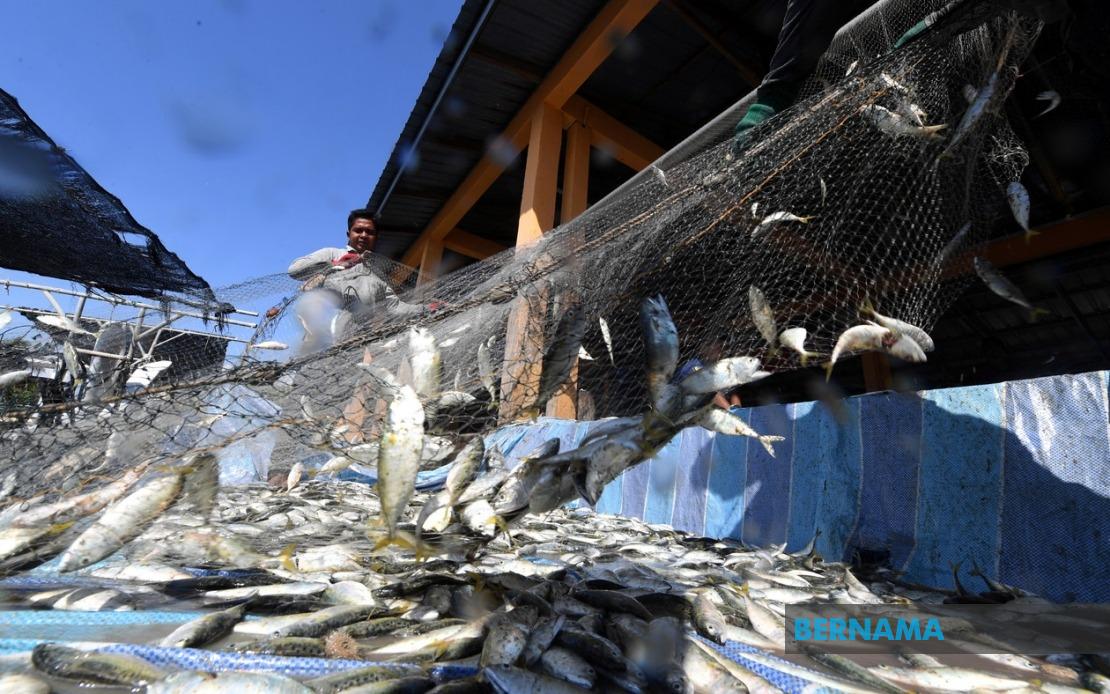
The Malaysian government is channelling RM10 million into the Special Fishermen Housing Project (PKPN) during 2024, marking a significant commitment to improving living standards within the fishing community. The nationwide initiative reflects ongoing efforts to address housing shortages among economically vulnerable maritime workers, with project timelines expected to reach fruition by August this year.
Funding distribution across states is calibrated to match local fishing populations, ensuring resources flow to regions with the greatest concentration of seafarers and their families. This allocation methodology addresses disparities in housing availability and quality across Malaysia's coastlines, from major fishing hubs to smaller maritime communities. The Fisheries Development Authority of Malaysia (LKIM) oversees programme implementation and has structured disbursements to align with actual demographic needs rather than applying uniform figures nationally.
During a handover ceremony in Kuala Perlis, LKIM director-general Datuk Dr Abdul Salim Tajudin articulated the programme's broader purpose within government welfare policy. The PKPN represents a targeted intervention designed to bolster socioeconomic conditions for low-income fishermen who often face housing challenges stemming from irregular income patterns and limited access to conventional financing. By providing affordable or subsidised housing solutions, authorities seek to stabilise fishing households and improve family welfare across vulnerable maritime populations.
Perlis state exemplifies the programme's recent progress, with five completed housing initiatives launched in 2024. The completion package comprises two newly constructed dwellings and three rehabilitated homes, collectively representing RM228,000 in expenditure for the state. New construction projects in Kampung Tanah Timbul and Kampung Padang Besar Selatan each required RM84,000, reflecting standardised building specifications appropriate to regional conditions and climate considerations.
Refurbishment components demonstrate the programme's flexibility in responding to diverse housing needs. Rather than exclusively constructing new structures, authorities have allocated RM20,000 per unit for upgrading existing homes, a cost-effective strategy that extends programme reach and addresses immediate quality-of-life concerns. This dual-track approach—new construction paired with targeted renovation—maximises impact per ringgit spent and acknowledges that many fishing families already occupy properties requiring modernisation rather than complete replacement.
The housing units distributed across Kampung Tanah Timbul, Kuala Sanglang, and Kampung Padang Besar Selatan address specific geographic clusters within Perlis's fishing sector. These communities, typically situated along riverine or coastal areas that facilitate maritime livelihoods, have historically struggled with inadequate residential infrastructure. By concentrating housing improvements in established fishing settlements, the programme strengthens community cohesion whilst ensuring beneficiaries maintain proximity to employment opportunities and existing social networks.
Completion of Perlis's 2024 targets demonstrates programme efficacy at state level, with all allocated resources deployed and housing units delivered to eligible beneficiaries. This punctuality suggests effective coordination between LKIM, state authorities, and local stakeholders, creating templates potentially applicable across other maritime regions. Early completion may also indicate realistic project planning and adequate initial resource allocation, factors often absent in similar government initiatives.
The emphasis on providing safer and more comfortable living environments reflects contemporary understanding of housing's role in socioeconomic development. Improved residential standards generate cascading benefits—enhanced child health and educational outcomes, reduced disease incidence linked to poor sanitation, and increased household stability that indirectly supports labour force participation and income generation. For fishing families operating within inherently uncertain economic structures, secure housing provides essential foundational stability.
Expanding affordable housing specifically for maritime workers addresses a policy gap long recognised by development advocates and civil society organisations focused on coastal communities. Unlike urban manufacturing workers or agricultural labourers in regulated sectors, fishermen often fall outside conventional social safety nets, making targeted programmes like the PKPN particularly consequential. The initiative implicitly acknowledges that market mechanisms alone have failed to deliver adequate housing solutions for this demographic segment.
Regional dimensions of the programme carry significance for Southeast Asian observers. Malaysia's approach—combining direct government investment with locally calibrated distribution mechanisms—offers potential models for neighbouring countries grappling with similar coastal poverty challenges. Thailand, Indonesia, and the Philippines similarly confront fishing community housing deficits, and Malaysia's systematic programming could inform policy discussions across the region.
Looking beyond 2024, programme sustainability depends on continued budgetary commitments and ongoing needs assessments. As fishing communities evolve—responding to climate pressures, regulatory changes, and resource constraints—housing priorities may shift. Authorities must balance fixed infrastructure investments with flexible policy frameworks capable of addressing emerging challenges within maritime economies, from climate adaptation to livelihood diversification support.
The PKPN's trajectory also intersects with broader food security narratives. By stabilising fishing households through improved living conditions, authorities support workforce retention and productivity in the maritime sector, indirectly protecting national fish supply chains. This instrumental dimension complements poverty alleviation objectives, creating convergence between welfare spending and economic sustainability arguments that strengthen political support for continued funding allocation.
Successful programme implementation in Perlis establishes momentum for expansion across other coastal states and within Peninsula Malaysia's river-based fishing communities. Scaling requires systematic capacity building among implementing agencies, transparent beneficiary selection processes, and feedback mechanisms allowing course correction. Whether the government sustains RM10 million annual allocations or modulates investment levels will significantly influence long-term impacts on fishing family welfare and community resilience across Malaysia's maritime regions.

