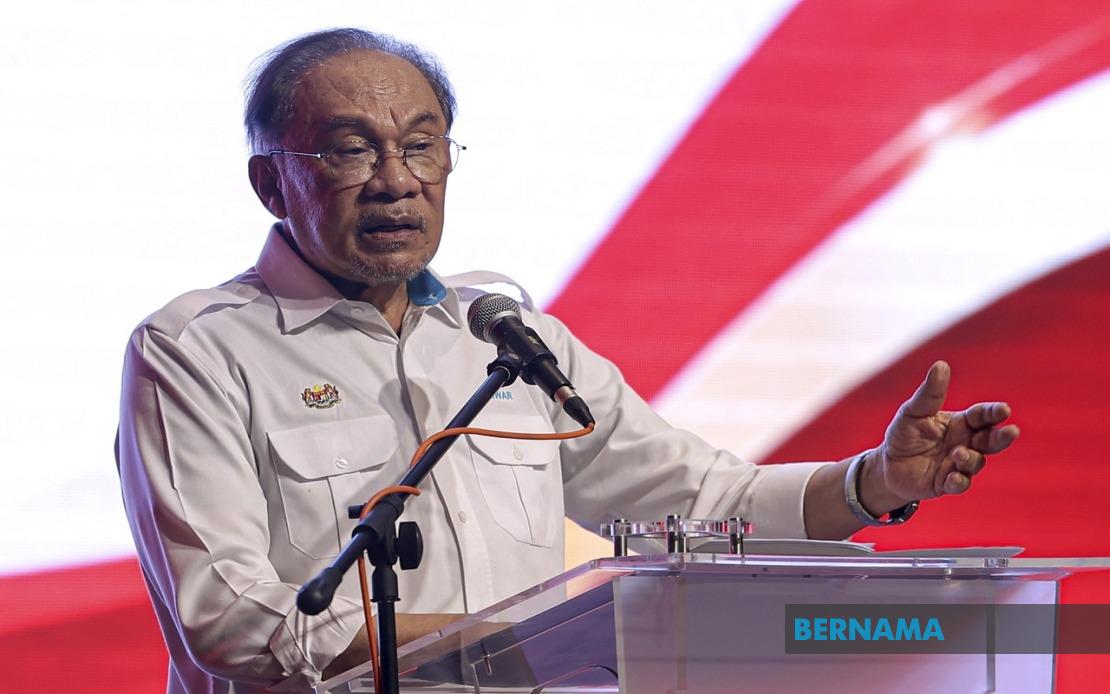
Prime Minister Datuk Seri Anwar Ibrahim has indicated the government is actively exploring the introduction of competitively-priced MADANI tickets for the Formula One Gulf Air Bahrain Grand Prix, aiming to democratise access to the sport for Malaysian citizens across different income levels. The announcement, made during an engagement with Negeri Sembilan community leaders in Port Dickson, reflects the administration's commitment to aligning major sporting events with the Malaysia MADANI framework that prioritises inclusive development and citizen welfare.
The concept behind the MADANI ticket initiative draws directly from the broader governance philosophy that Anwar has championed since assuming office. Rather than restricting premium international sporting experiences to affluent segments of society, the government recognises that hosting a Formula One event presents an opportunity to involve ordinary Malaysians in witnessing world-class motorsport competition. The Prime Minister acknowledged the public appetite for such accessibility, noting that citizens had specifically requested affordable ticket options that would allow them to participate meaningfully in the spectacle.
Anwar was candid about the practical limitations of budget-conscious ticketing, clarifying that MADANI ticket holders should not anticipate premium seating locations. Those purchasing discounted tickets would occupy viewing positions further from the track, reflecting the straightforward economics of venue management and the established pricing hierarchy in motorsport. This transparent approach manages expectations while maintaining the integrity of premium offerings for those willing to pay substantially higher costs for superior sightlines and amenities.
Beyond the ticket initiative, the Prime Minister emphasised that hosting the Gulf Air Bahrain Grand Prix carries substantial economic implications for Malaysia's recovery and growth agenda. The influx of international visitors, racing teams, media personnel, and organisational staff would generate significant demand across multiple economic sectors. Hotels throughout the Klang Valley and surrounding regions would experience heightened occupancy rates, while airlines including Malaysia Airlines and AirAsia would capture additional passenger bookings as global audiences travel to witness the event.
The hospitality sector stands to benefit substantially from the increased foot traffic and extended stays that major sporting events typically generate. Beyond accommodation, restaurants, retail establishments, and entertainment venues in Kuala Lumpur and the surrounding Sepang area would experience elevated consumer spending. Tourism Malaysia has opportunity to leverage the global exposure to promote Malaysia as a destination, capitalising on international media coverage to showcase the country's infrastructure, safety, and business environment to potential future investors and holidaymakers.
Anwar articulated why Malaysia secured the hosting rights despite strong competition from other nations seeking to attract Formula One racing. He attributed Malaysia's selection to recognition of the country's political stability, established rule of law, robust economic foundations, and respected diplomatic standing in the international community. These institutional strengths provide foreign organisers and participants confidence that the event will proceed smoothly with minimal disruption, a critical consideration for multinational sporting enterprises managing complex logistics and significant financial commitments.
The return of Formula One to Sepang International Circuit represents a significant milestone after a nine-year hiatus. The circuit previously hosted the Malaysian Grand Prix annually from 1999 through 2017, establishing itself as a premier motorsport venue. The decision to discontinue the race reflected escalating costs associated with hosting fees and licensing arrangements that had become economically unsustainable under the previous governance structure. That the government has now committed to bringing the sport back signals confidence in Malaysia's fiscal capacity and strategic priorities.
The Gulf Air Bahrain Grand Prix scheduled for October 2 to 4 positions Malaysia within the broader Formula One calendar framework, integrating the nation into the established international motorsport ecosystem. This timing allows Sepang to accommodate the technical and operational demands that Formula One racing imposes, from circuit certification standards to safety infrastructure and broadcast facilities. The compressed three-day schedule concentrates economic activity and media attention, maximising the visibility benefit for Malaysia within a concentrated timeframe.
For Malaysian motorsport enthusiasts and general sports followers, the event represents a rare opportunity to observe elite international competition at home. Southeast Asian motorsport culture has expanded considerably, with growing interest across the region in automotive technology and racing sports. Malaysia's hosting of this prestigious event elevates national sporting credentials while providing accessible inspiration for younger generations interested in engineering and motorsport careers.
The MADANI ticket initiative, if successfully implemented, would establish a precedent for future major international events hosted in Malaysia. The approach recognises that maximising public benefit from large-scale sporting investments requires intentional design to ensure citizens across economic strata can participate. This philosophy extends beyond ticketing to encompassing broader considerations of community engagement, infrastructure improvements, and local business incorporation that should characterise Malaysia's approach to hosting world-class events.
The government's active studying of this ticket initiative suggests that detailed negotiations with Formula One organisers and Sepang International Circuit management are underway to establish parameters for discounted pricing without compromising event finances or operational viability. Stakeholder coordination between the Prime Minister's office, the Ministry of Youth and Sports, and venue management will be essential to translating the MADANI ticket concept into practical reality while maintaining commercial sustainability for all parties involved.

