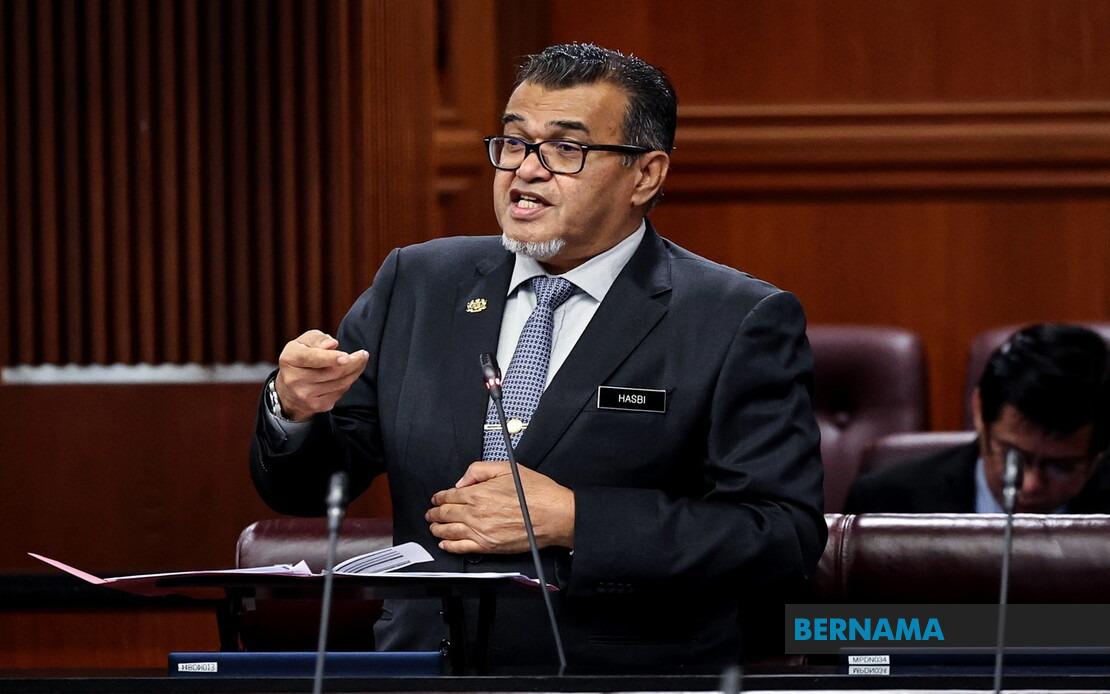
The Malaysian government is moving to tighten legislation governing railway security following a surge in criminal activity targeting transportation infrastructure assets. Deputy Transport Minister Datuk Hasbi Habibollah informed parliament that comprehensive legal amendments are in their final stages and will be introduced for legislative consideration during the current parliamentary session. The initiative addresses what authorities recognize as inadequate legal deterrents under existing statutes, with officials pointing to penalties that fail to reflect the severity and economic impact of railway-related crimes.
Current legislation dealing with railway trespassing carries only modest financial penalties, ranging from RM500 to RM1,000—amounts officials contend are insufficient to discourage criminal activity. The government has identified cable theft as a particular concern requiring substantially elevated punishments, especially given the critical infrastructure implications when security-related cables are targeted. This recognition of the security dimension adds significant weight to proposals for legislative strengthening, as theft of certain cabling systems can compromise operational safety and disrupt service delivery across Malaysia's rail network.
Empirical data underscores the magnitude of the problem affecting Malaysia's railway system. Over the past three years, authorities documented 393 cable theft incidents involving the removal of nearly 20,000 metres of cable worth approximately RM16.3 million. This sustained criminal activity suggests organized networks capable of identifying, accessing, and removing valuable materials from railway properties with relative impunity under current legal frameworks. The scale of losses indicates that criminal groups view railway cable theft as a viable revenue stream, likely motivated by strong demand from scrap metal recyclers and broader industrial supply chains.
Addressing the demand side of the illicit cable market has emerged as a critical enforcement strategy. The government is intensifying cooperation with the Royal Malaysian Police to establish closer working relationships with scrap metal dealers and operators, creating formal mechanisms to discourage the purchase of stolen materials. This supply-chain disruption approach recognizes that tougher penalties alone prove ineffective without simultaneously attacking the economic incentives that motivate thieves. By reducing the market for stolen goods and making it riskier for dealers to accept questionable materials without proper documentation, authorities aim to eliminate the financial motivation driving repeated theft incidents.
Technological deployment represents another substantial component of the comprehensive security enhancement programme. The Railway Assets Corporation has invested RM14 million in installing 1,146 surveillance systems incorporating artificial intelligence technology across identified high-risk zones. These advanced closed-circuit television installations represent a significant upgrade from traditional monitoring approaches, enabling faster threat detection and more effective incident response. The concentration of resources in high-risk locations reflects a data-driven approach to security resource allocation, focusing protective measures where theft and trespassing incidents cluster.
Surveillance capabilities are being extended beyond conventional ground-based systems through incorporation of aerial monitoring technology. Drone-based surveillance has been introduced specifically to cover railway sections where difficult terrain or accessibility constraints limit effectiveness of standard patrol operations. This three-dimensional monitoring approach provides coverage of remote areas and locations historically vulnerable to theft because traditional security patrols cannot maintain regular physical presence. The ability to conduct surveillance of challenging terrain offers particular value for railways traversing mountainous or densely forested regions where conventional security measures face practical limitations.
Operational enforcement capacity is being enhanced through additional mobility resources. Keretapi Tanah Melayu Berhad secured authorization to procure 20 motorcycle units for its auxiliary police contingent, specifically adapted as scrambler bikes suitable for rapid deployment across diverse terrain types. These additions directly address response time constraints that currently enable offenders to complete theft activities before security personnel arrive. Enhanced patrol mobility translates into faster incident response, strengthened visible security presence in identified risk areas, and reduced opportunity for criminals to conduct operations without detection.
The multi-layered approach reflects recognition among Malaysian authorities that railway security cannot rely on single interventions. Combining legislative penalties, market disruption, technological monitoring, and enhanced physical patrols creates multiple barriers to criminal activity. This integrated strategy proves more robust than isolated measures, as determined offenders may work around individual security layers but face substantially higher operational complexity and risk when confronting coordinated, multi-faceted protective systems. The government's investment in these complementary approaches suggests serious commitment to reducing railway infrastructure crime.
For Malaysian commuters and businesses reliant on rail services, improved railway security carries direct implications. Cable theft frequently disrupts service schedules, delays deliveries dependent on rail transport, and creates safety concerns when critical infrastructure is compromised. The legislative and enforcement improvements being implemented should contribute to more reliable, predictable railway operations. Logistics operators and supply chain managers will benefit from reduced service interruptions, while passengers gain assurance that safety systems remain intact and operational throughout their journeys.
Regionally, Malaysia's efforts to combat railway infrastructure theft may offer relevant lessons for other Southeast Asian nations facing similar challenges. Many countries across the region operate railway networks vulnerable to organized cable theft, particularly in corridors passing through less densely populated areas. The combination of legislative reform, inter-agency coordination, technological monitoring, and supply-chain interventions being advanced in Malaysia represents a comprehensive template that other governments might adapt to local circumstances. As Southeast Asia invests heavily in expanding and upgrading railway infrastructure to support economic development, addressing operational security and asset protection becomes increasingly critical for ensuring these investments deliver promised economic and social benefits.

