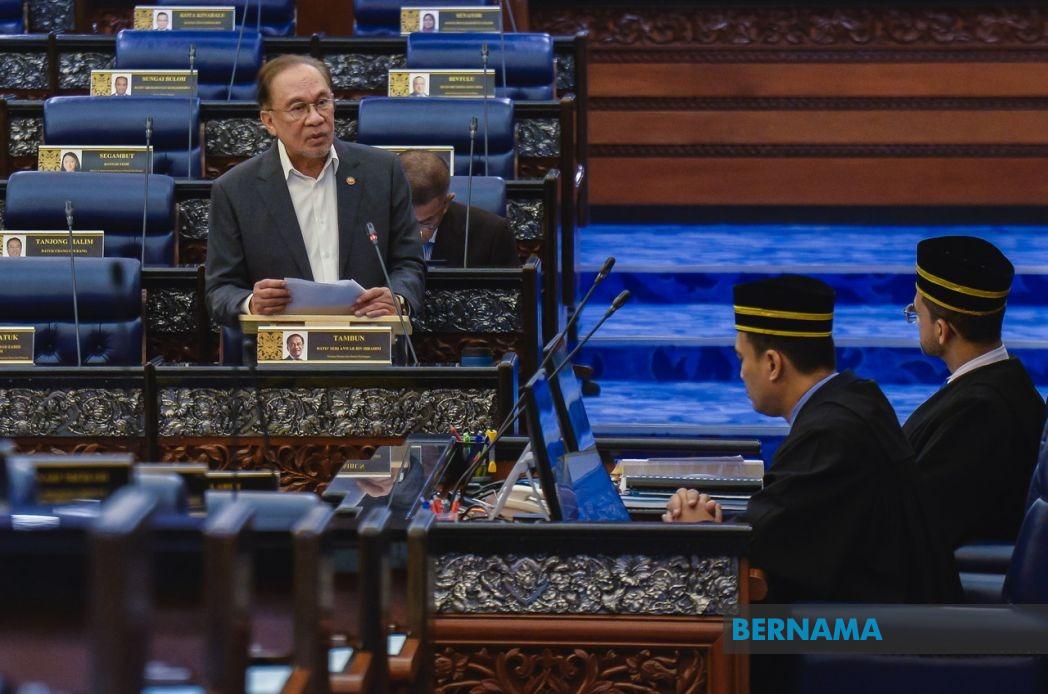
Prime Minister Datuk Seri Anwar Ibrahim moved to dispel concerns about restrictions on activities in Federal Land Development Authority settlements during parliamentary question time, emphasising that state governments retain full discretion to organise events within FELDA communities provided such activities comply with electoral legislation. The clarification came amid ongoing discussion about the nature and scope of government oversight in rural development zones, which have historically served as politically sensitive constituencies given the concentration of smallholder farming families who depend on FELDA support structures.
Anwar's comments directly addressed suggestions that federal authorities had imposed blanket prohibitions on state-level initiatives in these settlements. He drew a careful distinction between the permissibility of organising programmes themselves and the legal constraints governing the operational apparatus deployed during such events. This nuance reflects the delicate balance Malaysian governance attempts to maintain between respecting state autonomy and ensuring compliance with federal electoral codes that prohibit the use of public resources for partisan purposes.
The Prime Minister's remarks centred on clarifying that state governments, including their chief ministers, remain entitled to enter FELDA areas and conduct their own programmes without impediment from federal authorities. This assertion gains particular weight given the historical relationship between FELDA communities and state-level political actors, many of whom have relied on direct engagement with settler populations as a critical element of their electoral strategy. The removal of substantive barriers to such engagement represents a conscious positioning of the MADANI administration as less interventionist than its predecessors in matters affecting state prerogatives.
Regarding land title issuance, another contentious matter in FELDA administration, Anwar acknowledged that state governments retain the authority to distribute such documentation within their jurisdictions. However, he underscored that even this fundamental administrative function must operate within the confines of election regulations, suggesting that the timing, manner, and associated messaging around land distribution could potentially raise legal concerns if structured as campaign activity. This caveat demonstrates the government's awareness that rural development initiatives can rapidly transition into electoral mobilisation if executed without careful attention to procedural safeguards.
The core prohibition the Prime Minister identified targets not the programmes themselves but rather the deployment of FELDA's administrative machinery, personnel, and resources to facilitate campaigning. This distinction holds significant practical implications, as FELDA settlements depend substantially on government-provided infrastructure and services. The restriction therefore amounts to preventing state authorities from conscripting these institutional mechanisms for electoral purposes, even while allowing the authorities themselves to conduct political outreach through alternative channels that do not rely on federal government apparatus.
Anwar specifically refuted allegations that he had personally issued directives cancelling the FELDA Settlers' Day programme scheduled for Kluang, Johor, in late June. His categorical denial suggests tension between federal and state-level actors regarding programming in FELDA zones, with state officials potentially attributing cancellations to federal interference when other factors may have been responsible. This dispute reflects deeper questions about coordination mechanisms between federal and state governments when administering communities that depend on federal authority structures yet fall within state geographical boundaries.
The MADANI administration has positioned itself as distinctly committed to enhancing welfare provisions and development infrastructure within FELDA communities, framing this as a departure from what Anwar characterised as inadequate attention in previous administrations. The establishment of dialysis centres within FELDA settlements exemplifies the type of social infrastructure investment the government emphasises as evidence of renewed commitment to these populations. Such initiatives serve dual purposes: they genuinely address healthcare gaps while simultaneously generating political capital among constituencies historically aligned with rural development concerns.
Anwar's comments about past neglect of FELDA settlements carry implicit criticism of previous governments' stewardship of these communities, positioning the current administration as responsive to long-standing grievances about under-investment and marginalisation in rural development programmes. This rhetorical stance appeals to FELDA settler consciousness by validating longstanding complaints while associating the current government with remedial action. For Malaysian policymakers, such positioning reflects recognition that FELDA communities represent a bloc with distinctive interests and grievances requiring tailored attention.
The Deputy Prime Minister's involvement in prioritising FELDA development, which Anwar highlighted by mentioning Datuk Seri Dr Ahmad Zahid Hamidi's collaboration in the initiative, suggests this issue commands high-level government attention. This elevation reflects both the constituencies' political salience and the symbolic importance of demonstrating government responsiveness to rural populations in an increasingly urbanised Malaysia. The framing of enhanced facilities as the direct result of coordinated federal action reinforces the government's narrative of deliberate commitment to reversing patterns of rural disadvantage.
The clarifications emerge at a time when questions about election conduct and governmental neutrality remain significant in Malaysian political discourse, particularly concerning how federal authority can be exercised without appearing to constrain legitimate state-level political activity. Anwar's distinction between prohibiting programme activity and restricting use of government machinery attempts to navigate these sensitivities by presenting a position theoretically balanced between federal oversight and state autonomy. However, the practical application of such distinctions often proves complex, particularly in rural constituencies where government and political structures intertwine substantially.
For Southeast Asian observers monitoring Malaysian governance trends, the dispute over FELDA programming restrictions illustrates broader regional tensions regarding federalism, electoral integrity, and the appropriate scope of state versus central government authority. Many Southeast Asian democracies grapple with similar questions about preventing governmental resources from supporting political campaigns while respecting constitutional divisions of power. Malaysia's experience with attempting to enforce such distinctions offers lessons about both the theoretical clarity achievable in establishing such rules and the practical difficulties inherent in their implementation within communities economically dependent on government services.

