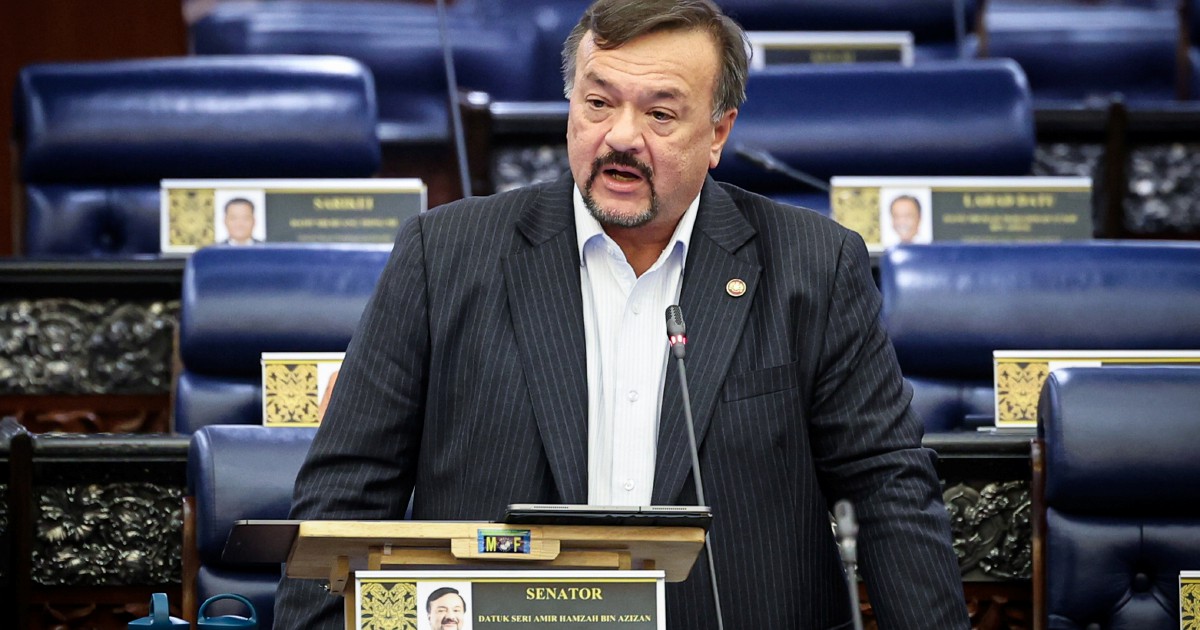
The Malaysian government is exploring the establishment of a unified multi-agency task force to coordinate investigations into allegations of wrongdoing at Tabung Haji, Deputy Finance Minister Datuk Seri Amir Hamzah Azizan announced. The move signals a potential shift towards a more integrated investigative approach, bringing together expertise from multiple government bodies to examine the mounting concerns surrounding the nation's premier hajj savings institution.
Tabung Haji, which manages savings for Malaysian Muslims preparing for their pilgrimage to Mecca, has faced increasing scrutiny in recent years over financial irregularities and governance lapses. The institution serves millions of contributors who entrust their life savings to the fund, making the integrity of its operations a matter of significant public concern. The proposed task force would represent an attempt to consolidate fragmented investigative efforts and ensure comprehensive oversight of complex allegations that may fall across multiple regulatory and enforcement jurisdictions.
The consideration of a dedicated task force reflects growing recognition that investigating Tabung Haji requires sophisticated coordination among bodies with different mandates and expertise. Financial crimes, governance breaches, and administrative misconduct require investigation by authorities such as the Malaysian Anti-Corruption Commission, Bank Negara Malaysia, the Securities Commission, and other relevant agencies. A centralised task force could streamline communication between these organisations, prevent duplication of effort, and establish clear lines of accountability for the investigation's progress and findings.
For Malaysian depositors and the broader Muslim community, the establishment of such a task force carries significant implications. Tabung Haji is not merely a financial institution but a trusted repository for one of Islam's most important obligations. When allegations of wrongdoing surface, they undermine confidence in an institution that has operated as a pillar of public trust for decades. A transparent, well-coordinated investigation sends a crucial message that authorities take these allegations seriously and are committed to protecting contributors' interests through rigorous oversight.
The timing of the government's consideration also reflects international pressure and domestic demands for accountability. In recent years, several senior figures associated with Tabung Haji have faced legal scrutiny, and various financial irregularities have been reported. Media coverage and public discourse have intensified focus on the institution's governance structures, investment decisions, and the safeguarding of contributor funds. The push towards establishing a dedicated task force represents a response to these mounting pressures for decisive action and transparent resolution of outstanding questions.
From a regulatory standpoint, the formation of a task force would potentially address fragmentation in oversight mechanisms that may have contributed to vulnerabilities within Tabung Haji's operations. Malaysia's regulatory landscape involves multiple agencies with overlapping but distinct responsibilities, and while this distributed model offers benefits, it can create gaps in accountability. A unified task force could identify systemic weaknesses and recommend structural reforms to prevent similar issues from recurring, thereby strengthening governance across Malaysia's financial sector more broadly.
The regional dimension of such investigations deserves consideration as well. Malaysia's position as a significant Islamic finance hub means that any governance failures at major institutions like Tabung Haji carry implications beyond national borders. The integrity and transparency of Malaysia's pilgrimage savings system influences how international investors and Islamic finance practitioners view the country's commitment to best practices in this sector. A professionally conducted, visible investigation reinforces Malaysia's credibility as a jurisdiction that takes institutional accountability seriously.
The involvement of Finance Minister II Amir Hamzah Azizan in announcing this consideration highlights the government's commitment to engaging with the issue at a senior policy level. This suggests that the matter has reached a threshold where incremental regulatory responses are deemed insufficient, and a more comprehensive governmental response is necessary. Such announcements typically precede formal institutional decisions, indicating that various stakeholders—including law enforcement agencies, financial regulators, and government ministries—have been consulted about the feasibility and scope of such a task force.
Implementation of a multi-agency task force would require careful attention to operational logistics, including resource allocation, jurisdictional clarity, and information-sharing protocols. Successfully coordinating investigations across multiple agencies demands robust governance structures, clear lines of decision-making authority, and mechanisms to ensure that the investigative process progresses efficiently without bureaucratic impediments. The task force's effectiveness would ultimately depend on the political will to pursue findings wherever they lead and implement recommendations, even if they implicate influential figures or require significant institutional reforms.
For Malaysian Muslims and contributors to Tabung Haji, the government's consideration of a task force represents a commitment to restoring institutional integrity. The institution's contributors have consistently demonstrated loyalty and trust, and many depend on Tabung Haji's financial stability for one of life's most significant spiritual journeys. Any actions taken to investigate wrongdoing and strengthen governance contribute to rebuilding confidence in an institution that holds deep cultural and religious significance in Malaysian society.

