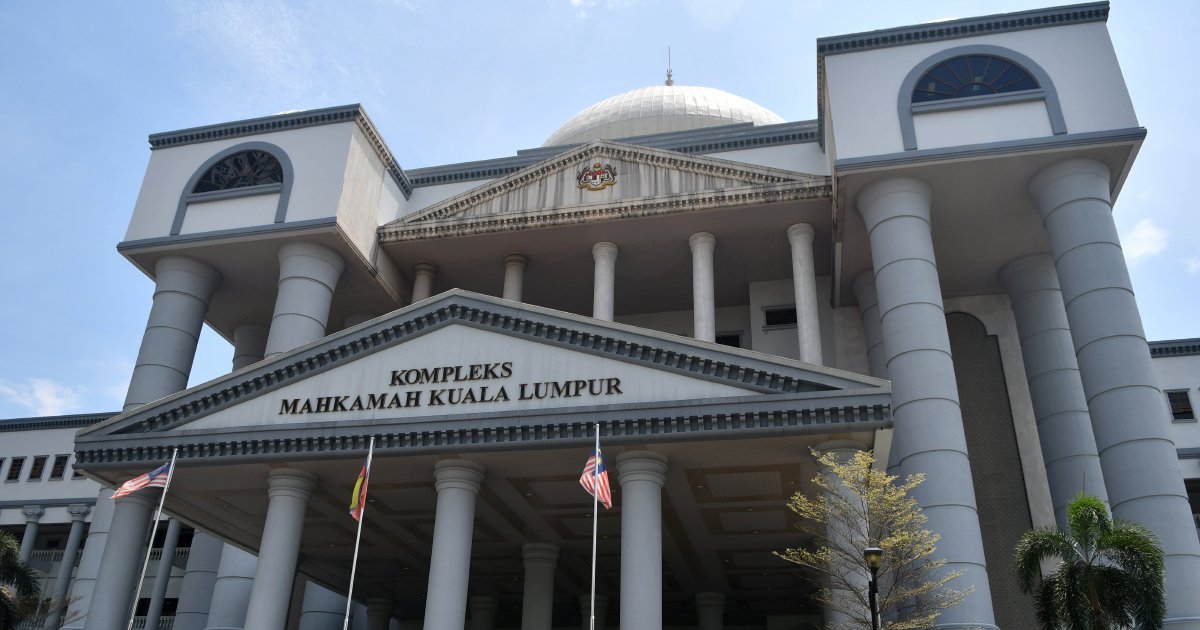
A High Court judgment has required the Malaysian government to compensate 13 individuals who were arrested and detained without lawful authority during a candlelight vigil held at Dataran Merdeka in 2021. The ruling, which awards RM195,000 in total damages, establishes important legal precedent regarding state accountability for unlawful police actions and affirms the right of citizens to gather peacefully in public spaces.
The case represents a significant development in Malaysian jurisprudence, particularly concerning the doctrine of vicarious liability—whereby an employer can be held responsible for wrongful acts committed by employees acting within the scope of their duties. In this instance, the court determined that despite police officers being the direct agents of arrest and detention, the government bears ultimate responsibility for these unlawful actions and must compensate those who suffered loss of liberty and related harms.
The 13 participants had assembled at Dataran Merdeka to hold a candlelight vigil, a form of peaceful protest traditionally used in Malaysia and across Asia to commemorate events or express solidarity with causes. Such gatherings occupy an important space within democratic societies, allowing citizens to express grievances and engage in civic participation without disrupting daily life. The fact that these individuals faced arrest and detention for engaging in this lawful activity raises fundamental questions about police discretion, public assembly rights, and the boundaries of permissible state action.
The award of RM195,000 translates to approximately RM15,000 per plaintiff, a sum that reflects both the duration and nature of their detention and arrest. While compensation in such cases typically accounts for non-pecuniary damages such as emotional distress, damage to reputation, and violation of constitutional rights to assembly and expression, the quantum awarded suggests the court found the violations serious enough to merit substantial recognition whilst remaining within reasonable proportionality.
This judgment carries implications extending beyond the immediate parties involved. It signals to law enforcement agencies throughout Malaysia that arrests made without proper legal foundation expose the state to significant financial liability. For police forces operating under pressure to maintain order or respond to political sensitivities, such rulings underscore the necessity of adhering to procedural safeguards and respecting constitutional protections even during situations perceived as sensitive from a public order perspective.
The case also illuminates the tension that occasionally emerges between security considerations and civil liberties in the Malaysian context. Whilst authorities possess legitimate powers to regulate public gatherings when they pose genuine risks to public safety, the unlawfulness of these particular arrests suggests that protective reasoning did not apply to a candlelight vigil—an inherently peaceful activity conducted in a manner that posed minimal disruption.
For Malaysian civil rights organisations, this decision provides a practical remedy mechanism for future instances where police exceed their legal authority. The availability of damages compensation makes it more financially consequential for the state to tolerate overzealous enforcement, creating stronger incentives to implement proper training, clearer operational guidelines, and more rigorous oversight of arrest procedures. Whether this proves sufficient to eliminate such incidents or merely raises their cost remains to be seen through subsequent enforcement patterns.
The geographic significance of Dataran Merdeka as Malaysia's national independence square adds further weight to the judgment. This public space functions as Malaysia's primary venue for civic gatherings and national commemoration, making it particularly important that citizens enjoy genuine freedom to assemble there peacefully. A ruling upholding the unlawfulness of arrests in this location reinforces that such freedoms must be preserved at the nation's symbolic centre.
Comparatively, this decision aligns Malaysia with broader regional and international standards regarding state accountability for unlawful detention. Neighbouring democracies have long established that governments bear responsibility for police misconduct, and Malaysian courts now reaffirm this principle through concrete financial consequences. This convergence strengthens Malaysia's legal position as a rule-of-law based democracy within Southeast Asia's increasingly complex political landscape.
The judgment also raises questions about what systematic changes may follow at the operational level. Whether police training programmes will be modified, arrest protocols reviewed, or investigative standards enhanced remains unclear. The award of damages addresses past harm but does not necessarily guarantee structural reform, leaving open the question of whether financial penalties alone constitute sufficient deterrence against future violations.
Looking forward, this case may prompt broader scrutiny of arrest documentation and detention procedures across Malaysian police forces. Supervisory officials may institute additional checks before officers proceed with arrests in sensitive contexts, and prosecutors may face increased pressure to justify arrests that lack solid evidentiary foundations. These administrative responses could produce indirect but meaningful improvements in policing practices.
The government's response to this judgment—whether it will appeal, implement systemic reforms, or simply pay the awarded damages—will itself carry symbolic weight. An acceptance of the ruling and commitment to enhanced procedural safeguards would signal institutional confidence in constitutional governance, whilst contestation of the decision might suggest lingering disagreement about the scope of assembly rights. Either way, the judgment now stands as judicial statement that peaceful vigils merit protection and that state liability for their suppression is both legally established and financially consequential.

