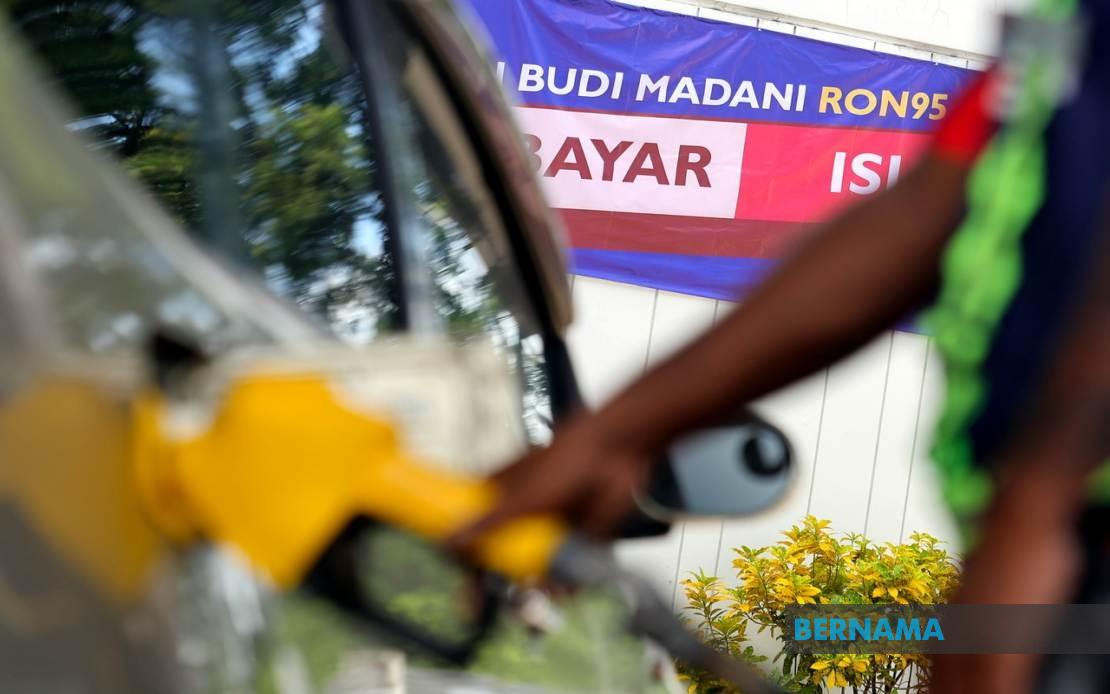
The Malaysian government has reversed its earlier decision to reduce fuel subsidies, announcing the restoration of the BUDI MADANI RON95 programme's monthly quota back to 300 litres during Prime Minister Datuk Seri Anwar Ibrahim's National Day address at the Putrajaya International Convention Centre on August 30. The policy shift represents a significant concession to public concerns over the cost of living, coming just months after authorities had committed to tightening the fuel assistance scheme.
The decision directly impacts over 16 million registered users of the subsidised RON95 fuel programme, who will now receive their original allocation rather than the reduced 200-litre monthly cap that was set to take effect from April 2026. The price point for subsidised RON95 remains unchanged at RM1.99 per litre, meaning the restoration represents additional government expenditure without asking consumers to absorb higher pump prices. For Malaysian households already grappling with inflationary pressures, this represents tangible relief in transport and mobility costs.
Beyond the passenger vehicle sector, the government has also enhanced support for commercial users through the Budi Diesel programme. More than half a million eligible owners of diesel-powered pick-up trucks and jeeps will now qualify for up to 400 litres of subsidised diesel monthly. This extension acknowledges the importance of the rural and agricultural economy, where small-to-medium entrepreneurs rely heavily on diesel-fuelled light commercial vehicles for their livelihoods. The expanded allocation recognises that productivity in Malaysia's agricultural and small-business sectors depends significantly on manageable fuel costs.
The timing of this reversal deserves careful examination within the context of Malaysia's fiscal management. In March, the government had announced the quota reduction from 300 to 200 litres, citing geopolitical tensions in West Asia as the primary driver. The conflict's impact on global crude oil markets and supply chains was presented as necessitating tighter domestic controls. However, the decision to restore the original quota just five months later suggests either a material change in market conditions, a reassessment of fiscal capacity, or political recalibration in response to public sentiment regarding the cost of living.
This policy reversal carries implications for Malaysia's broader subsidy architecture and budget planning. Fuel subsidies represent one of the government's largest recurring expenditures, competing with allocations for healthcare, education, and infrastructure development. The restoration of full quotas will increase the annual subsidy bill substantially, creating questions about how the shortfall will be funded—whether through reallocation from other programmes, acceptance of higher fiscal deficits, or future austerity measures in different areas. The government's ability to sustain expanded subsidies while managing overall debt levels remains a critical concern for economic stability.
Regionally, Malaysia's approach to fuel subsidies is closely watched by neighbouring countries pursuing similar affordability initiatives. Indonesia, Thailand, and the Philippines all grapple with balancing consumer welfare through fuel price controls against fiscal sustainability. Malaysia's decision to expand rather than contract subsidies may influence policy discussions in these nations, particularly in how leaders communicate the rationale for subsidy adjustments and respond to public pressure. The announcement also demonstrates how domestic political considerations can override macroeconomic planning in the short term.
For Malaysian motorists and commercial operators, the practical impact is immediate. Those who had begun adjusting their travel patterns and fuel purchasing behaviour in anticipation of the April 2026 reduction can now plan differently. The additional 100 litres monthly per vehicle translates to meaningful savings for families managing multiple vehicles or small business operators operating on thin margins. However, for those already receiving the full 300-litre quota, the announcement simply confirms they will not face the anticipated cut.
The announcement also reflects broader political dynamics within Malaysia's coalition government and its commitment to managing the cost-of-living crisis. Prime Minister Anwar Ibrahim has positioned economic relief and household welfare as central to his administration's agenda. By restoring fuel subsidies during a high-visibility National Day address, the government signals prioritisation of immediate consumer relief, even as economists debate whether targeted, means-tested assistance might achieve better outcomes than universal subsidies.
Looking forward, the stability of these quotas depends on continued economic conditions and geopolitical developments. Should oil prices spike significantly or global supply chains face further disruption, the government may face renewed pressure to recalibrate. The restoration of 300-litre monthly quotas represents a policy commitment, but not necessarily a permanent guarantee. Malaysian drivers and commercial operators should remain attentive to potential future adjustments, particularly if energy costs or government revenues deteriorate substantially in coming quarters.

