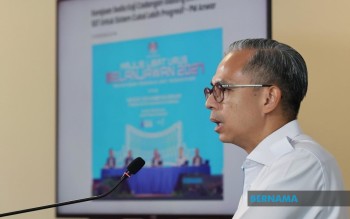
The government is taking a methodical approach to evaluating a proposed taxation overhaul that could reshape Malaysia's revenue collection system. Finance Minister II Datuk Seri Amir Hamzah Azizan has been allocated additional time to develop a comprehensive report examining the feasibility of merging characteristics of the Goods and Services Tax with the existing Sales and Services Tax framework, according to MADANI Government spokesperson Datuk Seri Fahmi Fadzil, who also serves as Communications Minister.
The deliberate pace reflects the complexity of the undertaking, which extends well beyond simple technical adjustments to the nation's fiscal architecture. Fahmi emphasised that such a consequential redesign of Malaysia's taxation structure cannot be rushed through bureaucratic channels, particularly given the contentious history surrounding previous attempts at tax reform. The ministry has been explicitly granted flexibility in its timeline, signalling that Cabinet ministers view this as a matter requiring thorough examination rather than expedited action ahead of electoral considerations.
Prime Minister Datuk Seri Anwar Ibrahim directed the Finance Ministry to undertake this exploratory work following broader discussions within Cabinet ranks about strengthening Malaysia's progressive taxation mechanisms. The initiative emerges from recognised shortcomings in both systems: the GST, which was implemented before the current administration took office, faced significant implementation challenges and public resistance, while the SST framework has encountered its own operational difficulties and revenue limitations since its reintroduction as a replacement taxation model.
The hybrid approach represents an attempt to synthesise what policymakers perceive as the most effective elements from each system while avoiding the pitfalls that plagued previous iterations. Rather than reverting entirely to GST or remaining locked within SST's constraints, the government intends to explore whether strategic integration of certain GST mechanisms could address existing gaps and enhance revenue collection efficiency. This conceptual framework acknowledges that Malaysia's existing tax base requires modernisation to support anticipated fiscal pressures and development expenditure.
The proposed study will necessarily examine Malaysia's experience with GST implementation between 2015 and 2018, when the tax drew considerable public criticism and was ultimately abandoned amid political shifts. Analysts have noted that implementation failures rather than the GST concept itself may have driven public opposition, suggesting that a more carefully designed hybrid model could achieve acceptance where the original attempt faltered. Simultaneously, the review will assess persistent structural weaknesses in the current SST system, which generates lower revenues than originally projected and struggles with compliance and administration across diverse business sectors.
No specific deadline has been announced for completion of the Finance Ministry's report, and Fahmi declined to confirm whether findings will be incorporated into the upcoming federal budget presentation. This deliberate ambiguity suggests the government may be positioning itself to respond to the report's conclusions without pre-committing to particular timelines or outcomes. Such flexibility could prove politically advantageous if preliminary findings prove controversial, allowing space for stakeholder consultation before Cabinet deliberation and public announcement.
The taxation discussion carries significant implications for Malaysia's economic competitiveness and business environment within Southeast Asia. Regional competitors including Singapore and Thailand maintain different taxation structures, and Malaysia's framework must balance revenue generation with investor attraction and business operational efficiency. A successfully implemented hybrid system could potentially improve Malaysia's fiscal position without imposing undue burdens on commerce, whereas a poorly designed model risks generating both insufficient revenues and business sector resistance.
The government's incremental approach contrasts sharply with previous tax policy shifts in Malaysia, which have often occurred amid political turbulence and public controversy. By commissioning a thorough study rather than announcing predetermined conclusions, the MADANI administration appears to be demonstrating commitment to evidence-based policymaking, though this approach requires patience from stakeholders seeking clarity on taxation direction. The strategy may also allow time for international best practice examination and consultation with business associations, professional bodies, and civil society organisations.
Consumer and business impacts could be substantial depending on the eventual design of any hybrid system. The previous GST iteration included complexities in administration and compliance that affected small and medium-sized enterprises particularly severely, while SST's multi-level application creates cascading taxation effects. A thoughtfully constructed hybrid model might streamline compliance procedures, reduce administrative burdens, and create more predictable tax liabilities for businesses across sectors, though such improvements require careful technical design and robust implementation mechanisms.
The report's eventual presentation to Cabinet will represent a critical juncture in the government's taxation reform trajectory. Finance Minister II Datuk Seri Amir Hamzah Azizan's recommendations will likely shape subsequent Cabinet discussion parameters and determine whether the proposal advances toward public consultation and legislative consideration or recedes into longer-term strategic planning. Given the political sensitivities surrounding taxation policy in Malaysia, Cabinet ministers will presumably evaluate not only technical feasibility but also political acceptability before moving toward implementation.

