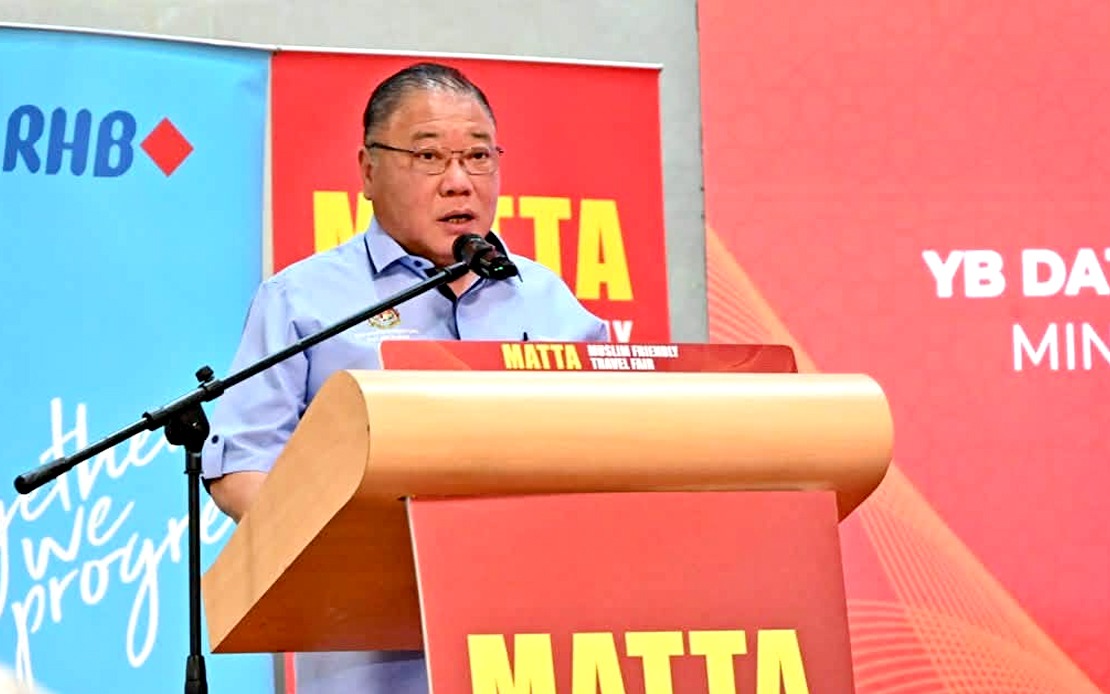
The Malaysian government is moving decisively to regulate the umrah travel sector through a new minimum pricing framework designed to shield pilgrims from potentially harmful cost-cutting practices. Speaking at the Malaysian Association of Tour and Travel Agents Muslim Friendly Travel Fair 2026 in Kuala Lumpur, Tourism, Arts and Culture Minister Datuk Seri Tiong King Sing outlined plans to establish price floors alongside mandatory service specifications for all umrah packages marketed to Malaysian travellers.
The regulatory intervention addresses a persistent problem in the umrah industry: operators undercutting market prices to unsustainable levels, often at the expense of pilgrim welfare. Tiong emphasised that the government takes this issue with utmost seriousness, having convened meetings across multiple agencies including Tabung Haji and the Minister in the Prime Minister's Department responsible for Religious Affairs to develop a cohesive policy response. This cross-agency coordination reflects the sensitivity surrounding religious travel, where failures in service provision can undermine not just commercial relationships but spiritual experiences central to Muslim faith.
Under the proposed system, travel operators will be required to set minimum thresholds below which umrah packages cannot be priced, while simultaneously providing transparent itemised lists detailing exactly what services pilgrims receive within each package tier. This two-pronged approach targets both the supply side behaviour of operators and the information asymmetry that typically favours sellers over consumers. Rather than eliminating market competition, the framework permits operators to segment their offerings into tiered categories—Premium, Gold, Silver, and Platinum—allowing differentiation while maintaining baseline quality standards. Such stratification acknowledges that pilgrims have varying budgets and preferences, from those seeking basic accommodation and guided prayers to those desiring enhanced experiences with exclusive hotel facilities or smaller group sizes.
The urgency behind this regulatory push stems from documented cases where unrealistically discounted packages have left pilgrims stranded abroad or unable to complete essential religious rituals. Tiong highlighted the unacceptable scenario where travellers depart Malaysia for umrah but find themselves unable to return home, or arrive at holy sites only to discover that essential components of their spiritual journey remain inaccessible due to cost-cutting compromises. Such failures damage Malaysia's reputation as a responsible source market for Islamic tourism and expose vulnerable pilgrims—often elderly or economically disadvantaged—to exploitation by unscrupulous operators.
Beyond domestic consumer protection, the government's focus on umrah regulation reflects broader strategic concerns about Malaysia's position in the competitive Muslim-friendly tourism market. Regional competitors are aggressively upgrading their offerings to capture market share from Muslim travellers worldwide. Tiong specifically cited Macau's recent expansion of halal dining establishments, Muslim-welcoming accommodation facilities, dedicated prayer spaces within airport terminals, and tailored travel information systems designed to attract Islamic visitors. This competitive pressure means Malaysia cannot rest on historical advantages; merely offering access to religious sites is insufficient in an environment where destination quality, convenience, and cultural sensitivity increasingly determine travel choices.
The government recognises that the umrah sector represents just one component of a broader Muslim-Friendly Tourism and Hospitality ecosystem that Malaysia must actively develop and promote. For Malaysia to maintain competitive advantage, industry stakeholders—from hoteliers and restaurants to airlines and tourist attractions—must commit to continuous innovation, deeper collaboration across sectors, and strengthened international marketing campaigns. This ecosystem approach acknowledges that pilgrims' experiences extend far beyond the spiritual core of their journey; they encompass accommodation quality, food authenticity, transportation reliability, and the intangible sense of cultural welcome that shapes destination loyalty.
The minimum pricing mechanism also addresses a subtle but important market failure: the race to the bottom that occurs when some operators compete primarily on price rather than service quality. By establishing price floors, the government prevents the most unscrupulous operators from using unsustainably low quotes to gain market share, which would eventually force more ethical competitors to match those prices or exit the market entirely. This regulatory intervention essentially protects responsible operators from being driven out by those willing to sacrifice pilgrim welfare for short-term profits, ultimately benefiting the industry's long-term health and reputation.
For Malaysian pilgrims, the proposed framework offers concrete protections previously absent in an industry characterised by information asymmetries and limited recourse mechanisms. A pilgrim selecting among umrah packages will understand not just the price but the specific services included, enabling meaningful comparison across providers and informed decision-making aligned with personal expectations and budgets. Transparent service lists reduce the probability of discovering upon arrival that promised amenities—whether prayer facilities, qualified guides, or dietary accommodations—are unavailable or substandard.
Implementation of this regulatory framework will require coordination between the tourism ministry, religious affairs authorities, Tabung Haji as the primary institutional pilgrim facilitator, and industry associations representing travel operators. Clear definitions of service categories, pricing methodology, and enforcement mechanisms must be established through stakeholder consultation. The government must also establish complaint and remediation systems allowing pilgrims to seek recourse if operators fail to deliver promised services, transforming minimum standards from theoretical guidelines into enforceable rights.
The regulation also carries implications for Malaysia's broader positioning within Islamic travel markets. As pilgrims increasingly view their religious journeys as integrated travel experiences rather than purely spiritual undertakings, destination countries competing for this market must balance spiritual authenticity with modern hospitality standards. Malaysia's emphasis on protecting pilgrim welfare while maintaining service quality standards sends a message to source markets that the country prioritises visitor wellbeing alongside commercial interests, potentially attracting pilgrims from other Muslim-majority and Muslim-minority countries seeking reliable, ethical tourism providers.
The government's intervention further reflects recognition that religious tourism requires different regulatory approaches than conventional leisure travel. Pilgrims often represent vulnerable populations—elderly travellers, first-time international visitors, individuals prioritising spiritual goals over comfort considerations—who may not adequately protect their interests in arm's-length commercial transactions. By establishing minimum standards and pricing mechanisms, the government assumes a protective role traditionally associated with its responsibility toward citizens undertaking significant religious undertakings, positioning the state as guardian of pilgrim welfare rather than merely arbiter of commercial disputes.
Moving forward, the success of this regulatory framework will depend on widespread industry adoption and robust enforcement. Travel operators must understand minimum pricing not as an obstacle but as a tool for protecting their own reputations and ensuring sustainable market conditions. Pilgrims must be educated about their rights under the new system and encouraged to verify that operators comply with requirements before booking. Only through comprehensive stakeholder engagement can Malaysia transform regulatory intentions into tangible protections that genuinely enhance pilgrim experiences while strengthening the nation's standing as a trusted, quality-conscious Islamic tourism destination.

