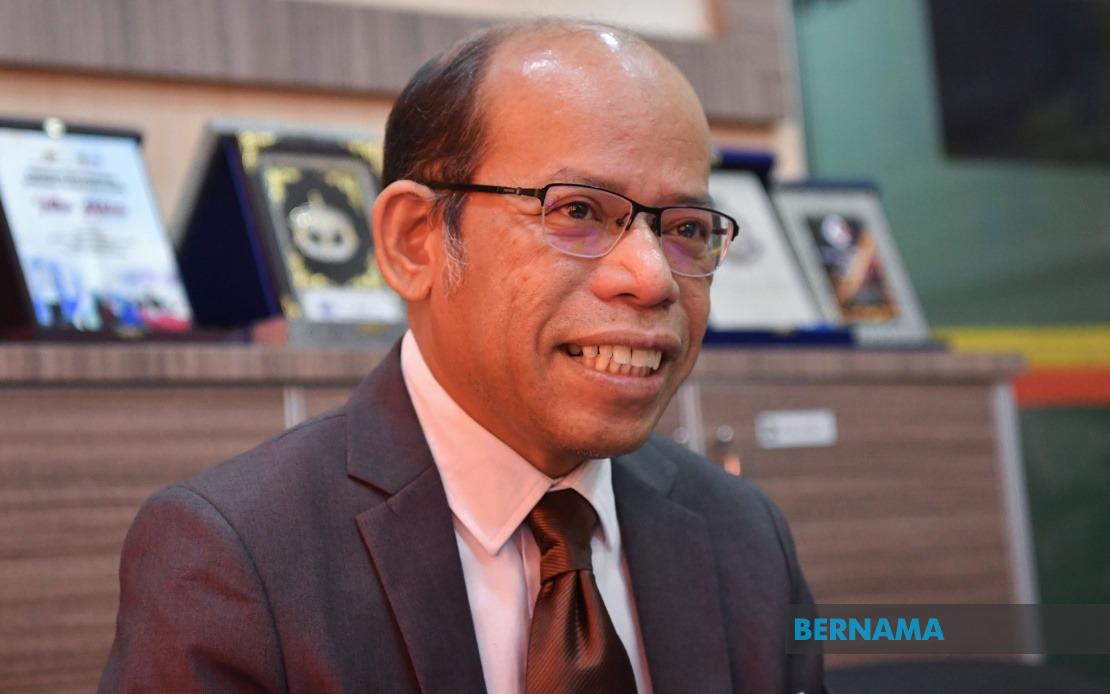
The Gua Musang District Council (MDGM) has outlined plans to inject nearly RM1 million into revitalizing Bandar Lama, a historic town in the district with significant potential as a regional tourism hub. According to Mohd Roshdi Ismail, the council's president, the proposed development would target multiple strategic sites identified as capable of attracting substantial international visitor numbers and generating economic benefits for local communities.
Bandar Lama possesses distinctive geographical and historical characteristics that distinguish it from other Malaysian destinations. The area is nestled within a mountainous terrain interspersed with limestone formations, creating a visually striking landscape. Beyond its natural appeal, the town carries substantial historical weight, particularly relating to Malaysia's struggle against communist insurgency during the mid-20th century, which forms a crucial but often overlooked chapter in the nation's modern history.
Mohd Roshdi identified several priority locations for development and restoration. Among these is the remnants of an old railway station positioned at the foothills, a structure with direct historical connections to communist-era attacks that threatened Malaysia's security and stability. The council also highlights the memorial site of a pregnant woman killed during communist operations, located near Masjid Razaleigh, as a location deserving preservation and proper interpretation for visitors seeking to understand this period.
The proposed investment framework reflects broader recognition across Malaysian local governments that heritage tourism represents an underutilized economic driver, particularly in interior and historically significant regions. By repositioning Bandar Lama as an educational and heritage destination, the council aims to diversify the district's economic base beyond traditional sectors and create sustainable employment opportunities for residents through hospitality, guiding services, and allied industries.
Implementing such a development requires coordinated effort across multiple governmental bodies and agencies. MDGM plans to partner with Majlis Amanah Rakyat (MARA), the federal agency responsible for indigenous economic development, alongside other relevant governmental organizations. This collaborative approach is essential for identifying specific infrastructure needs, conducting feasibility assessments, and accessing various funding mechanisms available through federal and state channels.
The limestone cave formations scattered throughout the region represent another significant draw for tourism development. These geological features, combined with the historical narratives embedded in the landscape, create opportunities for experiential tourism that extends beyond conventional beach or urban destinations. Such attractions appeal to growing segments of international travelers increasingly interested in cultural immersion and historical understanding.
Securing adequate funding remains the central challenge. The RM1 million allocation, while substantial for a district council, requires identification of appropriate government agencies willing to commit resources to heritage preservation and tourism infrastructure. The council's acknowledgment of this funding challenge and commitment to actively seeking suitable partners demonstrates pragmatic recognition of budgetary constraints facing local authorities in less urbanized districts.
The Gua Musang initiative reflects a broader Malaysian trend wherein smaller towns and districts increasingly recognize tourism's potential for economic revitalization. Unlike major urban centers that attract visitors through modern amenities and commercial attractions, heritage-focused destinations appeal to travelers seeking authentic cultural experiences and historical knowledge, often generating higher per-capita spending and encouraging repeat visits.
Successful implementation would require comprehensive planning addressing infrastructure development, signage and interpretation systems, accommodation and dining facilities, and training for local service providers. The council's emphasis on identifying appropriate development agencies suggests awareness that tourism development demands expertise beyond typical local government functions, necessitating technical input and project management capabilities available through specialized agencies.
For Malaysian stakeholders monitoring regional economic development trends, the Gua Musang initiative illustrates how interior and heritage-rich districts can leverage historical assets for contemporary economic benefit. This approach contrasts with conventional development models emphasizing rapid urbanization or resource extraction, instead positioning cultural and historical preservation as economically valuable activities. Such initiatives also serve national interests in preserving and interpreting Malaysia's complex twentieth-century history for future generations.
The success of this proposed development would significantly impact not only Gua Musang district but also demonstrate viable models for other Malaysian communities possessing historical significance but currently lacking tourism infrastructure. Should the council secure funding and implement the proposed upgrades effectively, Bandar Lama could become a benchmark case for heritage-based community economic development across Southeast Asia.

