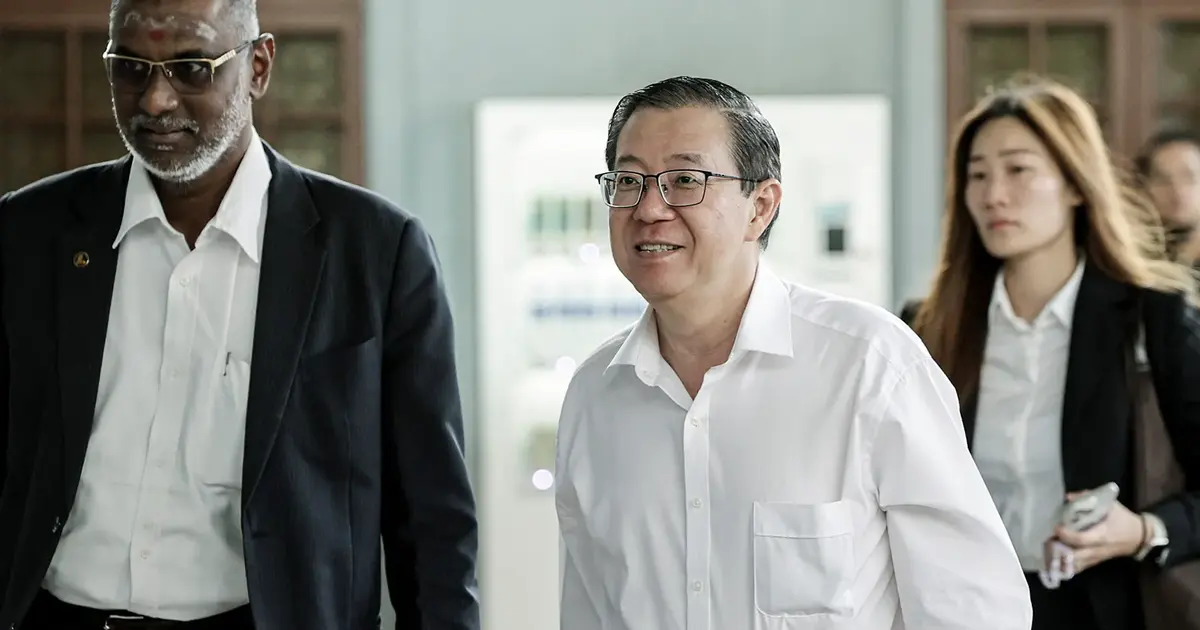
A Malaysian Anti-Corruption Commission investigating officer has told the Sessions Court in Penang that former Chief Minister Lim Guan Eng sought guidance from state government officers on the lawfulness of a major infrastructure project during his tenure. The testimony forms part of an ongoing case examining the decision-making processes around the disputed tunnel development.
According to the MACC officer's account, the Penang executive council held discussions focused specifically on evaluating whether the tunnel project complied with relevant legislation and regulatory frameworks. These conversations took place within formal governance structures, suggesting that questions about the project's legal standing were addressed through established state administration channels rather than informal arrangements.
The investigating officer further clarified that the state legal adviser's involvement in the matter was not independent but rather stemmed from explicit instructions emanating from the executive council itself. This detail carries significance for understanding the administrative chain of command and the nature of oversight mechanisms that operated during the project's planning and approval phases.
For observers of Penang politics, this testimony provides insight into how high-level decisions concerning major infrastructure investments were processed within the state government apparatus. The focus on consulting legal counsel before proceeding suggests at least a documented effort to ensure compliance with statutory requirements, though prosecutors may contend that the consultation process itself was flawed or that subsequent actions deviated from legal advice.
The tunnel project has become a contentious issue in Malaysian politics, with various stakeholders questioning its necessity, financing structure, and environmental impact. The project's evolution from initial proposal through implementation stages involved multiple government levels and significant public expenditure, making the legality of its approval process a matter of broader public interest beyond the immediate courtroom proceedings.
Lim Guan Eng's role as Chief Minister during this period places him at the centre of administrative decisions regarding major state development initiatives. The court testimony appears designed to establish whether he exercised due diligence in verifying the project's legal foundation before advancing it through government approval mechanisms. The distinction between seeking advice and properly acting upon it may prove critical in the court's ultimate findings.
For Malaysian readers, this case underscores the importance of documented governance procedures when government entities undertake large-scale projects. The involvement of legal advisers and executive council deliberations represents the institutional framework that supposedly protects public interests by ensuring decisions withstand legal scrutiny. However, the fact that the matter has reached court indicates that stakeholders questioned whether this framework functioned adequately.
The broader implications for Penang's governance are substantial. Infrastructure projects of significant scale require careful navigation of licensing requirements, environmental assessments, and procurement procedures. If the court determines that proper consultation occurred but legal advice was disregarded, it would suggest accountability failures at the decision-making level. Conversely, if consultation was inadequate or the legal advice itself flawed, institutional weaknesses in state government processes would warrant examination.
This testimony also reflects the ongoing tension in Malaysian governance between administrative efficiency and procedural rigour. Consulting legal advisers adds time and complexity to decision-making, but such consultation provides documentary evidence that officials considered lawfulness. The court's assessment of whether this consultation was genuine and substantive will likely influence perceptions of Penang's administrative integrity moving forward.
The case carries implications for how Malaysian state governments approach major development initiatives going forward. Transparency regarding legal review processes, documentation of executive council discussions, and clear attribution of decisions to specific officials all feature in contemporary governance best practices. The Penang tunnel case may ultimately influence how other state administrations document their deliberations on comparable projects.
As proceedings continue, the court will likely examine whether the legal advice obtained was properly documented, whether the state legal adviser was genuinely independent in rendering such advice, and whether the executive council decisions were based on substantive engagement with legal issues or merely formal procedural compliance. These questions will determine whether the consultation process constitutes genuine governance rigour or administrative theatre designed to retrospectively legitimise predetermined decisions.
The testimony presented represents only one element of the broader factual record the court must evaluate. Subsequent witnesses and documentary evidence will likely provide additional context regarding how thoroughly the legal dimensions of the project were examined and whether recommendations from the state legal adviser were genuinely considered or merely acknowledged and disregarded by the executive council decision-makers.

