An escalating outbreak of highly pathogenic H5N1 avian influenza in South Australia has triggered urgent warnings from wildlife experts about the imminent risk to one of the world's most vulnerable marine mammal populations. The discovery of the virus strain in seagulls along the state's south-east coast, combined with detections on Kangaroo Island, has created a critical conservation scenario that resembles previous catastrophic wildlife die-offs documented in the Southern Hemisphere.
Authorities have confirmed 19 cases of the highly pathogenic H5N1 strain across South Australia, with an additional 21 suspected cases bringing the provisional total to 40. The majority of these detections have emerged remarkably recently, with 33 of the confirmed or suspected cases identified since Monday alone. This rapid acceleration in case numbers underscores the speed at which the virus is spreading through wild bird populations in the region. Beyond South Australia's borders, the situation extends nationally, with the remainder of Australia's states and territories collectively reporting 14 confirmed cases since the strain first appeared on mainland Australia in June.
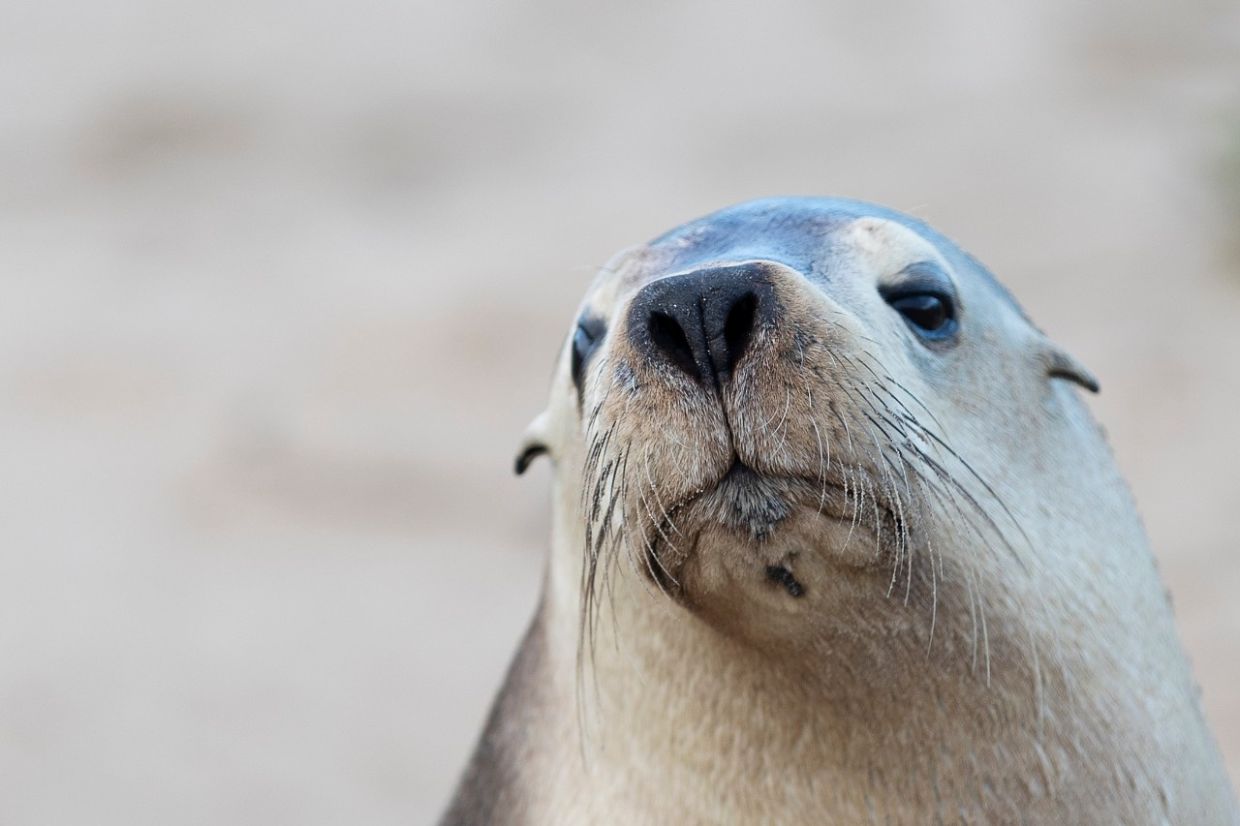
The Seal Bay discovery represents perhaps the most concerning detection site within this outbreak. Located on Kangaroo Island off South Australia's south coast, Seal Bay harbours approximately five per cent of the global population of Australian sea lions—a species classified as endangered. The presence of H5N1 in wild birds at this specific location has galvanised expert concern because the area's marine mammal inhabitants have virtually no immunity to this pathogenic strain, making a population-level infection scenario increasingly probable.
Wayne Boardman, a wildlife veterinarian specialising in disease ecology at the University of Adelaide, has articulated the severity of this threat with reference to documented precedents in South America. Speaking to the Australian Broadcasting Corporation, he stated that historical patterns demonstrate sea lions and fur seals are particularly susceptible to H5N1 infection when the virus breaches the barrier between avian and marine mammal populations. His assessment that transmission "is almost certainly going to go from the birds into the sea lions" reflects the scientific consensus on infection pathways once virus prevalence reaches critical thresholds in sympatric bird populations.
The consequences of such transmission could be catastrophic. In 2022, H5N1 killed approximately 30,000 sea lions throughout South America within a six-month timeframe, representing an unprecedented mortality event in marine conservation history. More recently, the same strain devastated populations of southern elephant seal pups on Australia's Heard Island in the Southern Ocean, claiming an estimated 13,359 lives between August 2025 and January 2026. These precedents are not merely historical curiosities but rather predictive templates for what may unfold if the virus establishes itself in Seal Bay's sea lion population.
In response to the escalating threat, South Australian authorities have implemented precautionary measures to minimise human-mediated transmission pathways. The state government announced on Wednesday that recreational beach tours at Seal Bay would be suspended temporarily, restricting access to the immediate vicinity of the sea lion colonies. This decision reflects an attempt to reduce the potential for virus transmission through human activities and tour operations that might otherwise facilitate spread within concentrated animal populations.
The political response at the national level has emphasised containment efforts and ongoing expert consultation. Julie Collins, Australia's Minister for Agriculture, Fisheries and Forestry, indicated on Friday that the government would persist in working collaboratively with epidemiologists and veterinary specialists to arrest the spread of H5N1 across the country. Notably, Collins highlighted that there has been no evidence of the virus penetrating agricultural or poultry production systems, suggesting that the current outbreak remains largely confined to wild bird populations. She reiterated the assessment of health authorities that the risk of human transmission remains low, though this reassurance may offer limited comfort to conservation specialists focused on endangered wildlife rather than public health metrics.
The South Australian situation carries broader implications for Southeast Asian nations, particularly those with significant wild bird populations and coastal ecosystems. Australia's experience demonstrates how rapidly avian influenza can spread through migratory bird networks and how vulnerable marine mammal populations can be to spillover infections. Regional countries including Malaysia face analogous risks given the prevalence of H5N1 in wild birds and the economic importance of both fisheries and tourism sectors that depend on coastal ecosystem health.
The convergence of wild bird surveillance systems with marine ecosystem monitoring represents an emerging challenge for antipodean and Southeast Asian public health and environmental authorities alike. The H5N1 outbreak in South Australia exemplifies how zoonotic pathogens transcend categorical boundaries between agricultural, wildlife, and public health domains, requiring integrated surveillance and response frameworks. For Malaysia and other regional nations, the lesson is that bird flu represents not merely a poultry management issue but a potential threat to irreplaceable biodiversity and tourism-dependent communities.
Looking forward, the South Australian case study underscores the importance of maintaining robust wildlife disease surveillance capacity and maintaining ecological connectivity between monitoring systems across jurisdictions. The six-month timeframe in which the South American sea lion mortality unfolded suggests that intervention windows are narrow once spillover events commence. For conservation authorities in Australia and across the Asia-Pacific region, the implication is unmistakable: investment in early detection systems and rapid response protocols for zoonotic outbreaks in wildlife populations may prove determinative in averting outcomes comparable to those witnessed in South America or on Heard Island.

