%22%2F%3E%3C%2Fpattern%3E%3C%2Fdefs%3E%3Crect%20width%3D%22100%25%22%20height%3D%22100%25%22%20fill%3D%22url(%23ph5o2nvg)%22%2F%3E%3Crect%20width%3D%22100%25%22%20height%3D%22100%25%22%20fill%3D%22url(%23ph5o2nvp)%22%2F%3E%3Ctext%20x%3D%2250%25%22%20y%3D%2250%25%22%20text-anchor%3D%22middle%22%20dominant-baseline%3D%22central%22%20fill%3D%22rgba(255%2C255%2C255%2C0.95)%22%20font-family%3D%22Georgia%2C%20'Times%20New%20Roman'%2C%20serif%22%20font-weight%3D%22700%22%20font-size%3D%22226%22%20letter-spacing%3D%22-0.02em%22%3EHamzah%3C%2Ftext%3E%3C%2Fsvg%3E)
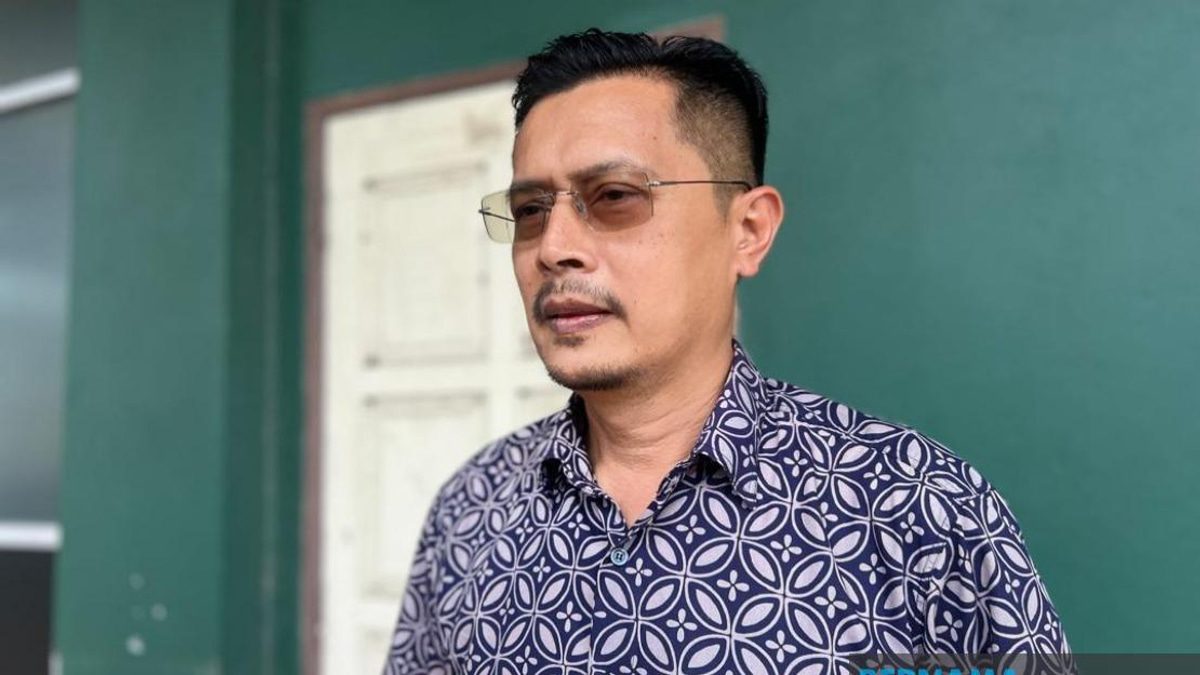
Former deputy president of Parti Pribumi Bersatu Malaysia Hamzah Zainudin made a notable appearance at a meeting of opposition Members of Parliament hosted by Parti Islam Se-Malaysia in Kuala Lumpur on June 18, underscoring the fluid nature of coalition-building among the country's anti-government political forces. The presence of the Larut MP and founder of the Reset political movement at the PAS-organised gathering reflects the ongoing reorganisation within opposition ranks as political figures seek fresh alignments outside the formal structures of the Pakatan Harapan coalition.
The significance of this meeting extends beyond the immediate gathering of lawmakers. For nearly two years, Malaysia's opposition has operated in a fractious state, with the traditional Pakatan Harapan bloc comprising PKR, DAP, and Amanah struggling to maintain cohesion while other opposition-leaning figures operate independently or in loose networks. The June meeting organised by PAS—a party that has itself navigated complex positioning between government and opposition roles—suggests that influential figures like Hamzah view direct engagement with broader opposition circles as strategically valuable, even if they maintain separate party vehicles.
Hamzah's participation carries particular weight given his historical standing. His departure from Bersatu and subsequent establishment of Reset reflected dissatisfaction with the trajectory of that party and broader frustrations within the party-hopping ecosystem that has defined Malaysian politics since the 2022 general election. By engaging with PAS-convened opposition meetings, Hamzah signals that figures outside formal coalitions believe there remains utility in maintaining communication channels across the anti-government spectrum. This suggests opposition leaders are exploring whether informal coordination mechanisms might compensate for the absence of formal coalition unity.
The PAS decision to host such a gathering is itself noteworthy. The Islamist party has occupied an unusual position in Malaysian politics over the past two years, sometimes acting as a government coalition partner under Perikatan Nasional, while simultaneously maintaining cordial relations with opposition figures. By convening opposition MPs, PAS demonstrates its capacity to function as a convening authority across factional lines—a role that enhances its leverage regardless of its formal government alignment. This reflects a sophisticated understanding that political influence in Malaysia's current fragmented parliament extends beyond formal coalition membership.
The composition of attendees at such meetings typically encompasses MPs from DAP, PKR, Amanah, and independent figures, alongside those representing smaller oppositional parties and movements. The inclusion of Hamzah and potentially other Reset-affiliated legislators indicates that informal opposition coordination increasingly involves figures operating outside the Pakatan Harapan framework. This diversification could either strengthen opposition efforts to present a united front against the government, or it could complicate consensus-building as independent figures pursue divergent strategic objectives.
For Malaysian political observers, the June meeting exemplifies the transition from the coalition-dominated politics of the Mahathir era toward a more fluid, individualistic parliamentary landscape. Whereas the 2008 to 2018 period saw opposition politics largely organised through the DSA framework and its successors, the post-2020 environment has witnessed the emergence of non-aligned blocs and issue-based cooperation. Meetings like PAS's gathering suggest that opposition figures increasingly view direct engagement and informal coordination as viable alternatives to or supplements for formal coalition structures.
The implications for the government should not be overlooked. Opposition fragmentation has been a consistent advantage for the Perikatan Nasional-led administration, allowing it to govern despite lacking majority support in parliament. However, periodic coordination meetings among opposition figures—even informal ones—represent potential first steps toward consolidation. If such gatherings produce tangible agreements on policy priorities or electoral strategy, they could meaningfully threaten government stability. Conversely, if they remain purely social or communicative in nature, they reinforce the divided opposition that has benefited the ruling coalition.
Regional dynamics also merit consideration. Thailand and the Philippines have witnessed opposition realignment following electoral setbacks, sometimes involving figures operating outside traditional party structures. The Malaysian opposition's exploratory engagement through gatherings like the PAS meeting may reflect regional political learning, as opposition figures across Southeast Asia experiment with unconventional coordination mechanisms when formal coalitions prove inadequate.
The timing of such meetings often signals windows of opportunity or pressure points within parliament. Opposition MPs typically intensify coordination when facing critical votes on budgets, amendments, or confidence measures. The June meeting's occurrence outside immediate parliamentary crises suggests that opposition coordination efforts have become more continuous rather than event-driven—a maturation of opposition strategy that could prove consequential for government stability if sustained.
Looking forward, the question remains whether meetings like the PAS gathering will catalyse substantive opposition realignment or remain symbolic expressions of fellowship among figures lacking cohesive strategy. Hamzah Zainudin's participation signals that important voices within the anti-government space view such engagement as meaningful, but meaningful engagement does not automatically translate into political effectiveness. The opposition's capacity to convert informal coordination into formal electoral or parliamentary leverage remains the critical variable determining whether such meetings represent genuine political evolution or merely the choreography of fragmentation.

%22%2F%3E%3C%2Fpattern%3E%3C%2Fdefs%3E%3Crect%20width%3D%22100%25%22%20height%3D%22100%25%22%20fill%3D%22url(%23phy0vqg)%22%2F%3E%3Crect%20width%3D%22100%25%22%20height%3D%22100%25%22%20fill%3D%22url(%23phy0vqp)%22%2F%3E%3Ctext%20x%3D%2250%25%22%20y%3D%2250%25%22%20text-anchor%3D%22middle%22%20dominant-baseline%3D%22central%22%20fill%3D%22rgba(255%2C255%2C255%2C0.95)%22%20font-family%3D%22Georgia%2C%20'Times%20New%20Roman'%2C%20serif%22%20font-weight%3D%22700%22%20font-size%3D%22170%22%20letter-spacing%3D%22-0.02em%22%3EMalaysia%3C%2Ftext%3E%3C%2Fsvg%3E)