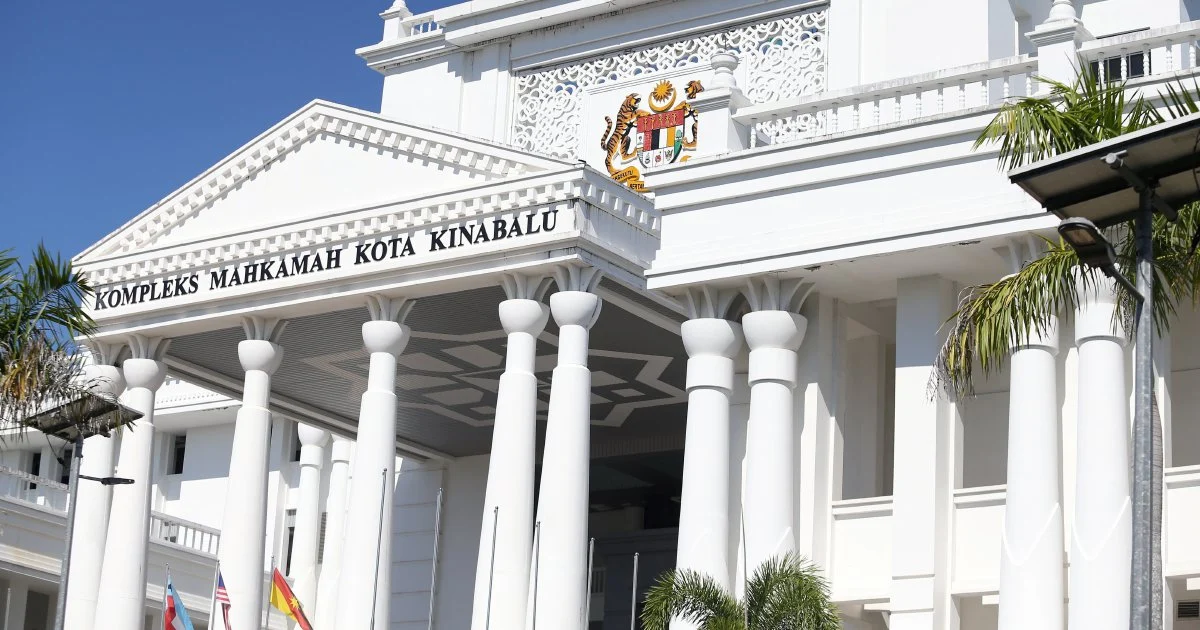
A forensic handwriting expert delivering testimony in Kota Kinabalu's Coroner's Court has firmly reaffirmed her previous conclusions regarding documentation linked to the late Zara Qairina Mahathir, stating with conviction that not all entries found in the journals appear to have been written by her.
The expert's unwavering stance on her findings takes on considerable significance given the continued scrutiny surrounding the circumstances of Zara Qairina Mahathir's death. The prominence of her family—particularly her father's role as Malaysia's longest-serving Prime Minister—has ensured sustained public interest in the inquest proceedings. Coroner's Court proceedings examining contested evidence, especially those involving forensic analysis of personal documents, routinely hinge on the credibility and consistency of expert witnesses, making the expert's reaffirmation a potentially consequential development in the case.
Handwriting analysis, whilst sometimes subject to scientific debate regarding its absolute reliability, remains an established forensic tool in Malaysian legal proceedings and internationally. When a document examiner maintains their position under cross-examination in open court, it typically signals confidence in their methodology and findings. The decision to revisit and reaffirm these conclusions rather than retreat from them demonstrates the expert's willingness to defend their work against potential challenges from other parties presenting evidence in the inquest.
The significance of determining who authored various journal entries extends beyond academic curiosity about penmanship. In coroner's courts investigating deaths, personal writings can provide crucial insight into a deceased person's mental state, possible motivations, relationships, and circumstances preceding their death. If certain entries were not written by Zara Qairina Mahathir herself, the question of their authorship and purpose becomes forensically relevant and potentially material to understanding the full context of her final days.
For Malaysian observers following high-profile legal proceedings, the testimony illustrates how modern forensic techniques intersect with traditional investigative methods in pursuing truth within the judicial system. The Coroner's Court, despite not determining criminal culpability, functions as an important mechanism for establishing facts surrounding unexplained deaths and providing closure to bereaved families and the broader public.
The involvement of handwriting experts in such proceedings reflects the judiciary's recognition that documentary evidence requires specialised interpretation. These experts typically examine characteristics such as letter formation, spacing, pressure variation, and other distinctive features that may indicate authorship. Their ability to distinguish between genuine writing samples and potentially fraudulent or unauthorised entries can prove pivotal in coroner's investigations.
This testimony emerges within a broader pattern of meticulous examination characterising Zara Qairina Mahathir's inquest. Malaysian coroner's courts have increasingly demonstrated sophistication in utilising diverse forensic disciplines to reconstruct circumstances surrounding deaths. Such thoroughness, whilst time-consuming, ultimately serves the institution's fundamental purpose of establishing comprehensive factual records accessible to families and the public record.
The reaffirmation by the expert also raises important questions about document preservation and authenticity procedures surrounding personal journals and private writings. In cases where the provenance and custody of documents become contested, establishing a clear chain of evidence and confirming authorship becomes essential for courts evaluating their reliability as evidence. The expert's consistent methodology suggests systematic attention to these foundational forensic principles.
For Southeast Asian legal systems more broadly, the proceedings highlight how different jurisdictions address similar challenges regarding document authentication and expert testimony. Malaysia's approach, grounded in its common law inheritance but adapted to local practice, reflects broader international trends toward integrating advanced forensic techniques with traditional investigative frameworks.
The continuation of hearings in Kota Kinabalu underscores the patience required in comprehensive coroner's inquiries. Rather than rushing toward preliminary conclusions, the court appears committed to methodically examining all available evidence, hearing from specialists across relevant disciplines, and establishing a thorough factual foundation before formulating findings regarding circumstances of death.
As the inquest proceeds, the expert's steadfast position on her earlier analysis will likely influence how the Coroner ultimately evaluates the documentary evidence presented. Her willingness to reaffirm findings under potentially challenging cross-examination suggests analytical rigour and professional confidence that courts typically regard as indicators of credible expert testimony.