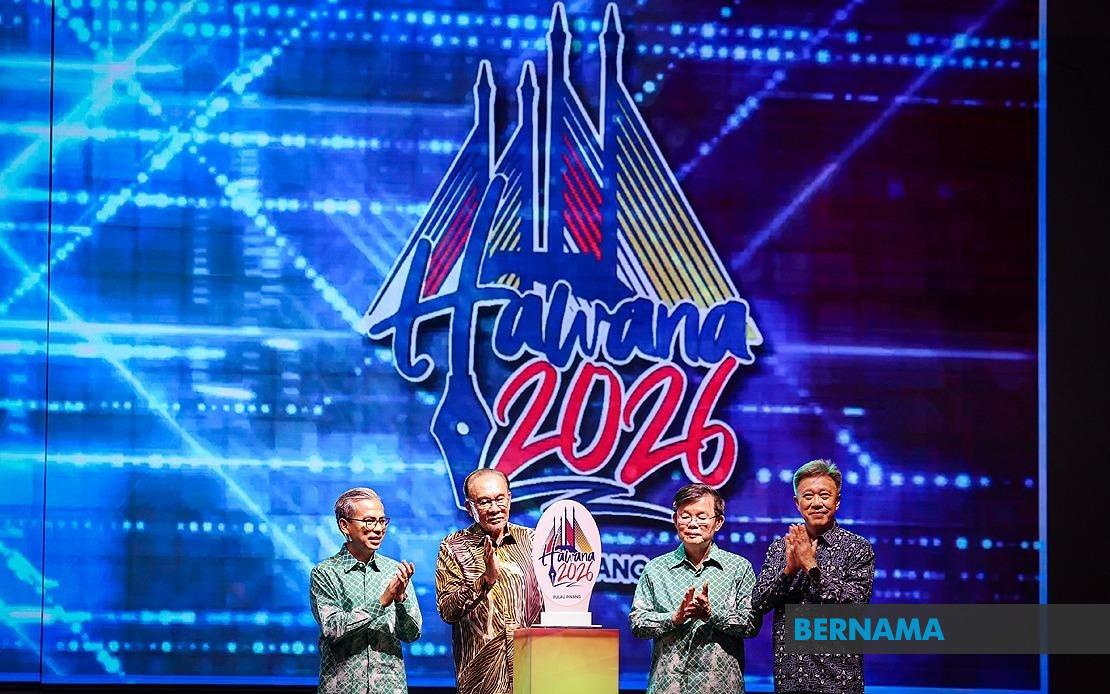
The three-day National Journalists' Day 2026 concluded successfully at the PICCA@Arena Butterworth Convention Centre, marking a significant milestone for Malaysia's media landscape. Under the overarching theme of 'Media Integrity Strengthens Credibility', the event drew nearly 1,000 media professionals from Malaysia and across Southeast Asia, including representatives from Indonesia, Cambodia and Timor-Leste. The gathering underscored the region's collective commitment to journalism standards and professional excellence during a period when media credibility faces unprecedented global scrutiny.
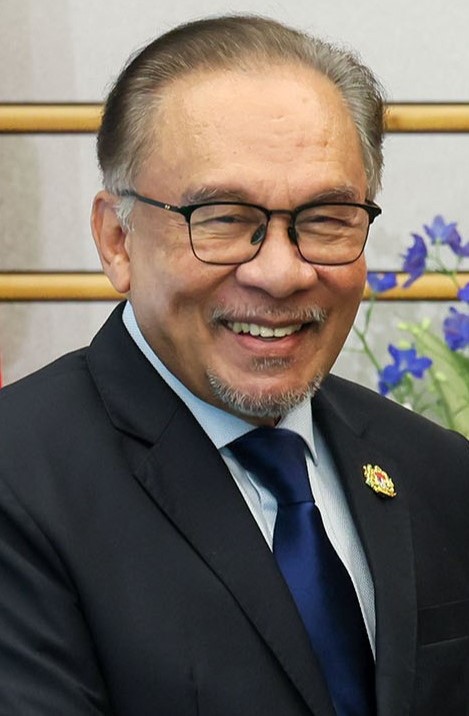
Prime Minister Datuk Seri Anwar Ibrahim officiated the main celebration on Saturday, using the platform to reaffirm the government's investment in the media sector. He announced an additional RM1 million allocation for the Tabung Kasih@HAWANA welfare fund, a scheme designed to provide financial assistance to journalists facing hardship. This injection of capital reflects growing recognition that media sustainability depends not merely on institutional health but on the personal welfare of practitioners themselves. The announcement demonstrated commitment to recognising journalism's toll on individual professionals, particularly in an increasingly challenging operating environment.
Beyond welfare support, Anwar confirmed the continuation of the Media Innovation Fund, an initiative aimed at helping local news organisations navigate digital transformation. This dual approach—supporting practitioners while strengthening organisational capacity—addresses two critical vulnerabilities in Malaysia's media ecosystem. The digital transition has reshaped journalism business models globally, making strategic investment essential for outlets attempting to transition from print-dominant operations to multi-platform entities. For Malaysian media organisations competing with regional players and international digital platforms, such government backing provides crucial runway during this transitional phase.
During the ceremony, Anwar presented contributions from the Tabung Kasih fund to three media practitioners: former Media Prima executive producer Noraini @ Talhah Mat Tahir, Makkal Osai journalist Guanalan Sengalaney, and former Kwong Wah Yit Poh freelancer Ch'ng Lay Wah. Communications Minister Datuk Fahmi Fadzil subsequently announced that Telekom Malaysia had joined as a strategic partner, contributing RM500,000 to the welfare scheme. Since its establishment in 2023, the Tabung Kasih@HAWANA has distributed RM2.26 million across 773 beneficiaries nationwide, demonstrating substantial reach within the professional community.
The event paid tribute to broadcasting excellence through the presentation of the HAWANA Award to former Broadcasting director-general Datuk Suhaimi Sulaiman, acknowledging his sustained contributions to journalism and broadcast standards. However, the most emotionally resonant moment came with the posthumous Special HAWANA Award 2026 presented to Azlan Idris, former head of Bernama Radio. His widow, Wan Syahrina Wan Abdul Rahman, received the award as images of Azlan were displayed, honouring his instrumental role in establishing and developing Bernama Radio since 2007. Azlan's legacy encompassed work across multiple broadcast platforms including TV3, NTV7 and Channel 9, and his involvement in organising four HAWANA editions. His passing at 57 in January 2026 represented a significant loss to Malaysia's broadcasting community.
Regional cooperation advanced measurably through the formalisation of a memorandum of understanding between Bernama and Timor-Leste's national news agency, Agência Noticiosa de Timor-Leste (TATOLI). The agreement, signed by Bernama's head Nur-ul Afida Kamaludin and TATOLI president Noémio Mateus Soares Falcão, was witnessed by Prime Minister Anwar and formalised by Communications Minister Fahmi alongside Timor-Leste's Secretary of State for Social Communication Expedito Loro Dias Ximenes. Such bilateral arrangements strengthen news-sharing relationships and professional standards harmonisation across Southeast Asia, fostering a more integrated regional media community.
The celebration extended beyond formal proceedings through the RIUH Pi HAWANA Carnival, a parallel three-day event featuring local musical acts including Exists, Bunkface, Kugiran Masdo, Sakura Band, Budak Nakal Hujung Simpang and Chelsea Ng. Organised collaboratively with MyCreative Ventures' RIUH platform, the carnival accommodated over 24 local creative brands and 20 food and beverage vendors, alongside interactive workshops. This cultural component transformed HAWANA from a purely professional conference into a community celebration, demonstrating journalism's broader cultural resonance and connecting media practitioners with Malaysia's creative industries.
Professional discourse formed the intellectual core of HAWANA 2026. The Malaysia Media Retreat 2.0, organised by the Malaysian Federation of Media Clubs (GKMM), provided space for strategic discussion among industry leaders. A significant town hall session titled '2035: Will Journalists Still Exist?', organised by the Malaysian Press Institute (MPI), confronted existential questions about journalism's future amid technological disruption and changing consumption patterns. A dialogue session with Communications Minister Fahmi and a dinner hosted by the Malaysian Media Council further enabled substantive engagement on industry challenges and professional standards maintenance.
Penang's role as host venue extended beyond logistical considerations. The state governor, Tun Ramli Ngah Talib, hosted a dinner the day before the official opening, honouring nearly 350 media practitioners from Malaysia and ASEAN nations. This recognition of journalism's contribution to nation-building reflected regional appreciation for media's democratic functions. For Penang, hosting this national event demonstrated the state's infrastructure capacity and ability to deliver large-scale international conferences, generating economic activity and positioning the state as a viable venue for professional gatherings.
Bernama's management of HAWANA 2026 showcased the national news agency's operational capabilities and technical sophistication. The event featured the first live television broadcast in HAWANA's history, coordinated entirely through in-house expertise. This technical achievement underscored Bernama's positioning as a modern, digitally capable institution rather than merely a legacy newswire service. For Malaysia's media landscape, Bernama's successful orchestration of this large gathering reinforced its pivotal role in coordinating professional standards and facilitating industry dialogue across the country.
The preceding weeks featured complementary programming that built momentum toward the main celebration. The HAWANA Media Forum on May 7, a meet-and-greet with strategic partners on June 4, and the HAWANA Fun Walk on June 14 created extended engagement and allowed broader participation beyond those attending the Butterworth summit. This multi-phase structure transformed HAWANA 2026 from a single event into a sustained campaign celebrating journalism's importance.
HAWANA 2026's emphasis on integrity and credibility arrives at a crucial moment for Malaysian and Southeast Asian journalism. Both regions confront challenges including misinformation, polarised audiences, declining traditional revenue models, and political pressure on editorial independence. By bringing together nearly 1,000 practitioners to discuss standards and strengthen regional networks, the celebration affirmed journalism's continued necessity despite these pressures. The government's financial commitment through expanded welfare provisions and innovation funding signals recognition that media sustainability requires sustained institutional support beyond market forces alone.