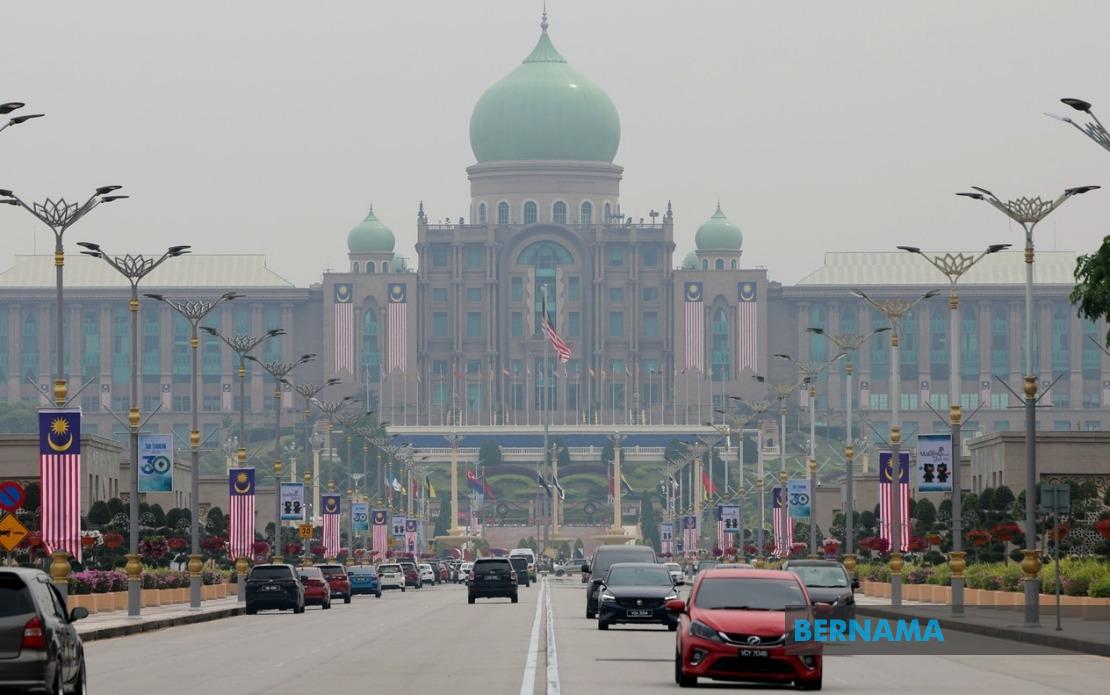
Regional air pollution will occupy a prominent place on the agenda when Prime Minister Datuk Seri Anwar Ibrahim travels to Brunei for high-level bilateral talks with Sultan Hassanal Bolkiah, according to Malaysia's diplomatic representative in the country. The 27th Malaysia-Brunei Annual Leaders' Consultation, set to commence tomorrow, represents the highest-level mechanism for addressing shared concerns between the two neighbouring nations, and environmental degradation has emerged as a pressing issue demanding immediate attention at the summit.
Malaysian High Commissioner to Brunei Datuk Mohd Aini Atan confirmed during a media briefing in Bandar Seri Begawan that transnational haze affecting multiple areas across the region will feature prominently in discussions. The timing of this diplomatic engagement underscores the urgency surrounding deteriorating air quality, particularly as it extends beyond Malaysia's borders into neighbouring jurisdictions. Both nations face common challenges in addressing atmospheric pollution that does not respect international boundaries, making bilateral coordination essential for effective response strategies.
The Malaysian state of Sarawak has borne the brunt of current haze conditions, experiencing air quality readings that have descended into dangerous territory. Official data from the Malaysian Air Pollutant Index Management System portal reveals that Serian recorded a hazardous reading of 204 as of yesterday evening, classified as extremely unhealthy and potentially harmful even to healthy individuals. This alarming figure reflects the severity of air pollution gripping the region and explains why the issue commands attention at the highest diplomatic levels.
Conditions across additional Sarawak districts paint an equally concerning picture of widespread air contamination. Kuching, the state capital, registered 195, while Samarahan posted 182, Sri Aman 179, Sarikei 158, and Sibu 152. These readings, spanning from unhealthy to very unhealthy categories, demonstrate the geographic extent of the crisis affecting multiple population centres simultaneously. The breadth of affected areas underscores that this represents a systemic environmental challenge rather than a localised phenomenon, necessitating coordinated regional responses.
Anwar's two-day working visit to Brunei assumes added significance given the composition of Malaysia's delegation. Sarawak Premier Tan Sri Abang Johari Tun Openg and Sabah Chief Minister Datuk Seri Hajiji Noor are both scheduled to participate in the consultation, bringing direct representation from Malaysia's most severely impacted regions. The presence of these state leaders ensures that the perspectives and specific concerns of frontline communities facing the worst air quality will be communicated directly to the sultanate's leadership.
The Annual Leaders' Consultation framework has historically served as the primary diplomatic vehicle for Malaysia and Brunei to coordinate on matters of mutual concern. As a mechanism involving heads of state and government, the forum carries considerable weight and authority for implementing agreed outcomes. The selection of the haze issue for discussion at this level signals both governments' recognition that environmental coordination requires executive-level commitment and political will to translate discussions into concrete action.
For Malaysian readers, particularly those in Sarawak and Sabah, the diplomatic initiative reflects efforts to address an environmental crisis that directly impacts public health. Prolonged exposure to hazardous air quality carries documented health consequences, from respiratory complications to cardiovascular strain, affecting vulnerable populations including children, the elderly, and individuals with pre-existing conditions. The economic ramifications also extend to disruptions in transportation, reduced tourism activity, and operational challenges for businesses across affected regions.
The transnational dimension of haze pollution makes bilateral engagement with Brunei strategically important. Atmospheric conditions and wind patterns that transport pollutants across borders require coordinated monitoring and source identification between neighbouring states. Indonesia, as the third major player in regional air quality dynamics, is often central to such discussions, as haze originating from agricultural burning and land clearance activities frequently impacts Malaysia and Brunei. Whether Indonesian cooperation features in these talks remains unclear, though regional environmental challenges increasingly demand tripartite coordination.
The timing of this leaders' consultation arrives as global attention to air quality and climate-related environmental degradation intensifies. Malaysia and Brunei's decision to elevate haze discussions to summit-level reflects international momentum toward concrete environmental governance. For Southeast Asia more broadly, bilateral and regional mechanisms addressing transboundary pollution serve as templates for addressing climate challenges that transcend national borders and require sustained diplomatic coordination.
Looking ahead, outcomes from the Malaysia-Brunei consultation may establish frameworks for enhanced air quality monitoring, information-sharing protocols, and joint environmental response mechanisms. Such agreements could eventually serve as models for expanded regional cooperation. For Sarawak residents enduring hazardous air conditions, the diplomatic engagement represents potential progress toward systemic solutions addressing root causes of regional haze rather than temporary mitigation measures.

