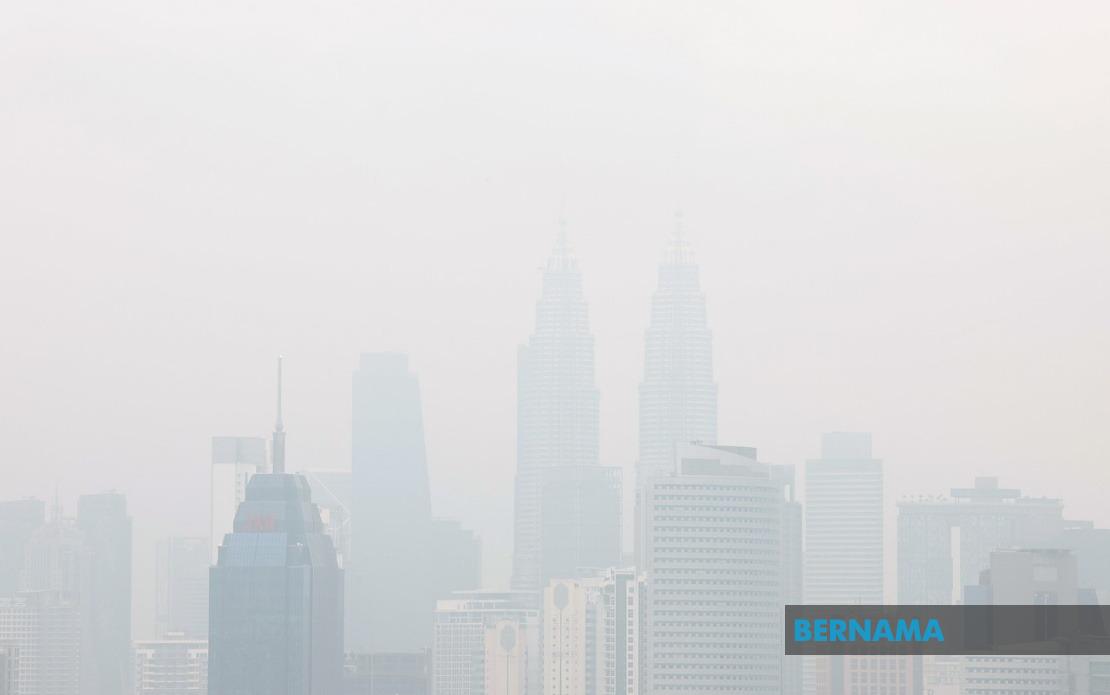
Malaysia's Youth and Sports Minister Dr Mohammed Taufiq Johari has moved to reassure the nation that the worsening regional haze will not compromise the country's preparation for the 2026 Aichi-Nagoya Asian Games, scheduled to run from 19 September to 3 October. Speaking after participating in a Merdeka motorcycle convoy in Sungai Petani on 29 August, Taufiq underscored that stringent protocols have been put in place to safeguard both the competitive readiness and physical health of Malaysia's elite athletes heading into the biennial continental competition.
The haze situation has emerged as a pressing regional concern affecting multiple Southeast Asian nations. The minister disclosed that the Cabinet had specifically deliberated on escalating air quality concerns during its recent session, acknowledging the problem's severity while simultaneously committing to continuous monitoring of pollution levels. This high-level governmental attention reflects the gravity with which authorities view the potential threat to international sporting commitments and athlete welfare. By treating the matter as a Cabinet-level issue, the government has signalled its determination to prevent air quality from becoming an obstacle to Malaysia's competitive ambitions at a major sporting event.
Central to the government's mitigation strategy is a deliberate recalibration of training protocols across national sports facilities. Rather than suspending or significantly curtailing preparation activities, Malaysian authorities have opted for a nuanced approach that relocates many training sessions from outdoor venues to climate-controlled indoor environments. This shift encompasses use of indoor stadiums, dedicated sports halls, and other purpose-built facilities designed to maintain athlete conditioning regardless of external air quality. The strategy reflects a pragmatic understanding that cancelling or substantially reducing training during this critical pre-competition window could prove more detrimental to performance outcomes than the health risks posed by haze exposure.
Minister Taufiq emphasised that the National Sports Institute has been engaged as a key partner in developing these adaptive protocols. The ISN's involvement ensures that decisions about training modifications rest on scientific expertise and established sports medicine principles rather than administrative convenience. By consulting with this premier institution, the government has anchored its response in credible technical guidance, lending legitimacy to assurances offered to athletes and the sporting community. The ISN's role also provides a mechanism for ongoing assessment of whether current measures prove adequate as atmospheric conditions evolve.
The strategic emphasis on indoor training represents a fundamental reconfiguration of athlete preparation regimens. Coaches and training staff have been directed to prioritise shifting their session schedules from outdoor tracks, fields, and venues to temperature-controlled facilities. This approach acknowledges that certain skill development and conditioning work can be effectively conducted indoors, particularly strength and conditioning routines, technical skill refinement, and sport-specific drills. By maximising the use of existing indoor infrastructure, authorities aim to preserve the intensity and frequency of training necessary for peak competitive preparation without unnecessarily exposing athletes to compromised air quality.
For Malaysia, participation in the Asian Games holds particular significance beyond the immediate medal counts. The Games represent a showcase opportunity for the nation's sporting infrastructure, athlete development systems, and overall international standing within the Asian sporting community. A 2026 campaign compromised by inadequate preparation would undermine years of investment in athlete development pipelines and coaching systems. Moreover, Southeast Asia's role as home to several competing nations means that air quality issues potentially affect the entire region's preparation efforts, creating a level playing field concern alongside the health considerations.
The haze phenomenon itself stems from transboundary air pollution patterns common to Southeast Asia, often originating from biomass burning in neighbouring countries during certain seasonal periods. This recurring regional challenge has previously disrupted sporting events, outdoor activities, and public health across multiple nations. Unlike isolated weather events that affect single locations, haze represents a systemic challenge requiring coordinated regional responses alongside individual national adaptations. Malaysia's approach of adjusting domestic training protocols reflects the pragmatic recognition that unilateral action alone cannot resolve air quality issues arising from transboundary pollution.
The minister's public reassurance carries political importance beyond athletic considerations. By projecting confidence that preparations remain on schedule, the government signals stability and competence in managing both sporting and environmental challenges simultaneously. Public concern about haze impacts on national athletes' performance could translate into broader anxiety about government capacity to protect citizen welfare. The proactive communication strategy therefore serves dual purposes: genuinely informing stakeholders about adaptation measures while simultaneously managing public perception of governmental effectiveness.
Looking forward toward the 2026 Games, Malaysia's experience navigating this preparation period may offer valuable lessons for managing future sporting events amid environmental challenges. The adaptive protocols being implemented now could establish templates for how national sports systems respond to air quality crises without abandoning competitive preparation. As climate patterns potentially create more frequent haze episodes across Southeast Asia, developing robust indoor training infrastructure and flexible preparation methodologies becomes increasingly strategically important for regional sporting bodies.
The government's commitment to protecting athlete health while maintaining preparation intensity reflects an underlying recognition that both elements prove essential. Athletes pushed too hard in compromised conditions risk respiratory complications and diminished performance, while inadequate preparation guarantees suboptimal competitive results. The balance this approach seeks—maintaining training rigour while minimising exposure to polluted air—requires careful coordination between coaching staff, medical professionals, and facility managers. Success in achieving this balance during the haze season will likely influence how Malaysian sports organisations approach similar challenges in coming years.

