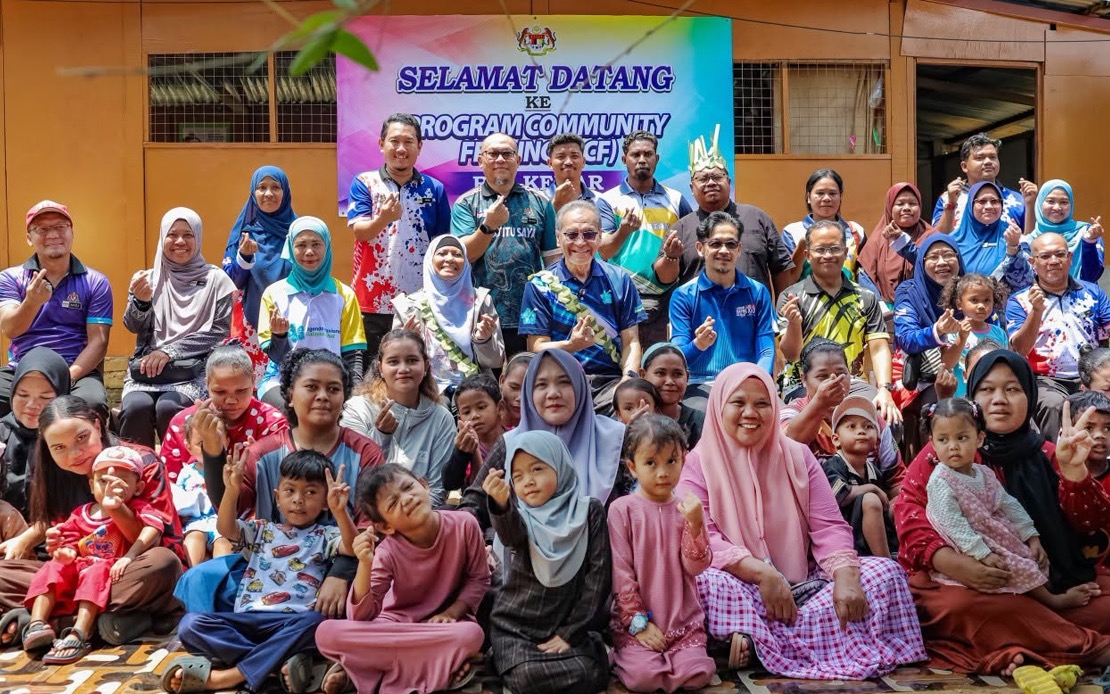
The Ministry of Health has greenlit an immediate RM500,000 investment to enhance infrastructure and services at Kemar Health Clinic in Gerik, demonstrating the government's commitment to extending quality healthcare to the indigenous Orang Asli population in Hulu Perak. Health Minister Datuk Seri Dr Dzulkefly Ahmad announced the decision following an inspection visit to the facility, emphasizing that the allocation addresses longstanding operational challenges that have constrained the delivery of medical services to a vulnerable and geographically isolated community.
A significant portion of the funding will finance the construction of a purpose-built Boat Storage Facility, addressing a critical infrastructure gap that has hindered efficient healthcare delivery in this region where waterways serve as the primary transportation network. The existing storage structure, now more than a decade old, has deteriorated considerably and can accommodate only a single vessel, severely limiting the clinic's capacity to maintain and protect its aquatic fleet. This physical constraint directly impacts the clinic's ability to respond to medical emergencies and conduct routine outreach activities across scattered settlements dependent on river access.
Beyond infrastructure, the allocation encompasses the procurement of essential assets designed to modernize the clinic's operational capacity. A new four-wheel-drive vehicle will replace the aging transport currently in service, improving staff mobility for land-based clinical operations and community engagement. Additionally, the ministry will acquire critical medical equipment including a Video Laryngoscope, an advanced tool indispensable for intubation procedures during medical emergencies. These acquisitions reflect a deliberate upgrading of clinical capabilities to handle complex cases that previously may have necessitated referral to distant tertiary facilities.
The Medik 8 multipurpose boat, officially commissioned during the minister's visit, represents a substantial complement to the ministry's existing river-based medical fleet. Valued at RM350,000 and configured to accommodate twelve passengers, this vessel has been added to the existing fleet of six boats operated by the health clinic. The introduction of this modern watercraft directly addresses the transportation challenges faced by the approximately 4,500 Orang Asli residents residing in the RPS Kemar settlement, substantially shortening response times for emergency medical interventions and enabling more frequent preventive healthcare visits to remote settlements.
Dr Dzulkefly emphasized that material assets, however advanced, derive their value primarily from the dedication and sacrifice of frontline healthcare personnel. He publicly acknowledged the contributions of doctors, nurses, boat operators, and support staff who regularly undertake perilous journeys through challenging river conditions and adverse weather to deliver medical services. This recognition highlights the often-overlooked human dimension of healthcare delivery in remote regions, where professional commitment frequently transcends standard working conditions to fulfill the essential mission of maintaining population health.
The broader policy framework underpinning these investments reflects the Malaysia MADANI principle that healthcare constitutes a fundamental right equally accessible to all citizens regardless of geography or socioeconomic status. The ministry's positioning of this allocation demonstrates an explicit rejection of the notion that topographical challenges or remoteness should constrain healthcare access. For Southeast Asian contexts where indigenous and rural populations frequently experience significant health disparities, this commitment provides an important precedent for integrating marginalized communities into national health systems.
Significantly, the Ministry of Health is simultaneously expediting construction of a new Type 5 Kemar Health Clinic facility designed to replace the current structure with modern, comprehensive infrastructure. This planned expansion will provide residents with substantially upgraded physical spaces, enhanced diagnostic capabilities, and expanded service offerings reflecting contemporary healthcare standards. The modernized facility represents recognition that long-term health security for this population requires sustained institutional investment beyond temporary operational improvements.
The Community Feeding Programme operating at RPS Kemar demonstrates measurable progress in addressing malnutrition among Orang Asli children, a persistent public health challenge in Malaysia's indigenous communities. This targeted nutritional intervention, implemented since 2015, provides structured feeding, fortified milk supplements, multivitamin supplementation, and therapeutic nutritional foods for children aged six months to six years. The programme's decade-long implementation has generated substantial health improvements that extend beyond mere statistical achievement to represent tangible enhancements in childhood development and long-term health trajectories.
The programme's documented outcomes reveal dramatic improvements in key nutritional indicators within the targeted demographic. Stunting rates, a critical marker of chronic malnutrition and developmental compromise, have declined substantially from 75.2 per cent to 50.8 per cent over the programme's operational period. Concurrently, underweight prevalence has fallen from 43.7 per cent to 25.2 per cent, indicating sustained nutritional improvement across the child population served. These reductions, while still indicating room for further progress, represent substantial achievements in addressing one of Malaysia's most persistent public health disparities.
For Malaysian health policy and Southeast Asian health systems more broadly, the Kemar initiative illustrates the interconnection between infrastructure investment, community-based interventions, and measurable health outcomes. The combination of boat-based emergency transport, modern medical equipment, nutritional programming, and facility modernization creates a comprehensive approach to addressing the multifaceted health challenges confronting remote indigenous populations. The model demonstrates that health equity requires simultaneous attention to immediate operational constraints, long-term infrastructure development, and evidence-based preventive interventions tailored to community-specific needs.
The allocation also signals the ministry's recognition that healthcare systems serving geographically dispersed populations require specialized equipment and infrastructure not necessary in urban settings. River-based transport, boats specifically configured for medical purposes, and vehicles designed for terrain accessibility represent essential health system components in regional contexts. Investment in these specialized assets acknowledges the reality that universal healthcare delivery demands contextually appropriate solutions rather than standardized urban-centric approaches.
Looking forward, these investments position the Kemar Health Clinic to expand its service capacity and improve health outcomes for one of Malaysia's most underserved populations. The accumulated impact of facility upgrades, equipment modernization, transport improvements, and continuation of the Community Feeding Programme creates conditions for sustained health improvement. For policymakers throughout Southeast Asia confronting similar challenges of delivering healthcare to remote indigenous communities, the Kemar example provides practical evidence that systematic investment in both infrastructure and community health programmes generates measurable returns in population health outcomes.

