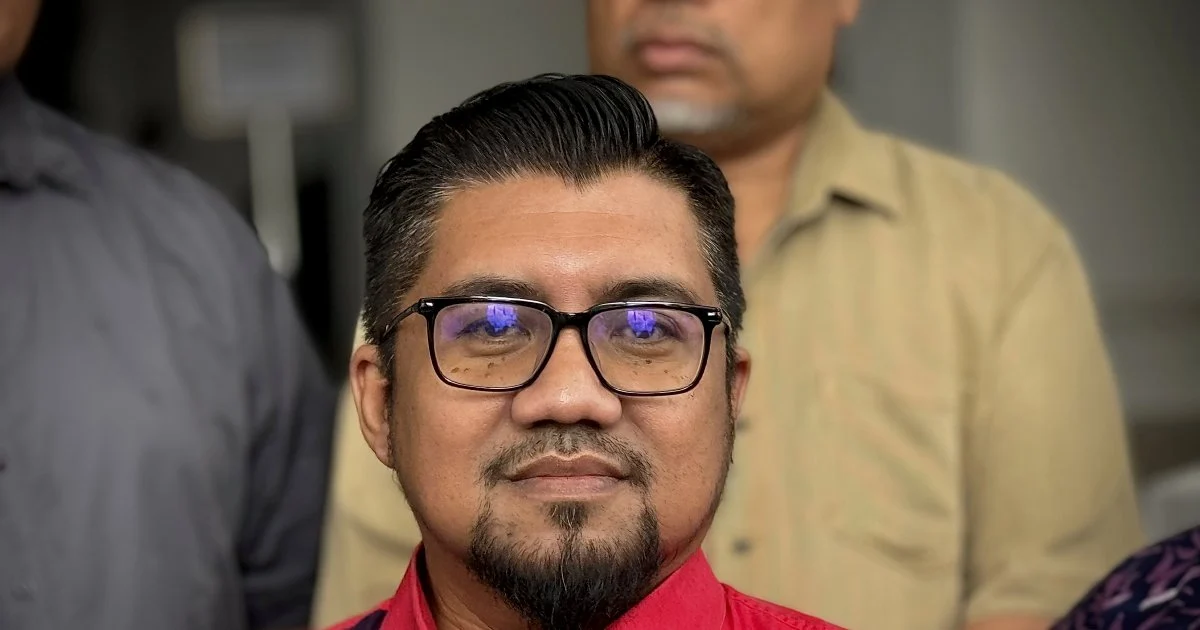
The High Court in Kuala Lumpur has dealt a significant setback to political activist Badrul Hisham Shaharin by reversing an earlier acquittal and compelling him to present his defence against defamation allegations involving His Majesty Sultan Ibrahim, the King of Malaysia. The reversal centres on statements the activist made regarding what he claimed was a meeting between the monarch and various political figures, remarks that date back approximately two years.
The case represents a notable development in Malaysia's legal landscape surrounding the intersection of free speech, political activism, and the special status accorded to the country's constitutional monarchy. The High Court's decision to overturn the previous acquittal suggests the judicial examination of the matter has reached a more substantive phase, moving beyond preliminary determinations to require the defence to articulate its position through formal legal arguments.
Badrul Hisham Shaharin, widely recognised in civil society circles as a prominent voice in Malaysian political discourse, now faces the prospect of presenting evidence and legal submissions to counter the defamation allegations. The specifics of the statements in question relate to remarks purportedly made about an audience involving the King, the nature of which has become central to the legal proceedings. The timeline of the alleged incident occurring two years prior suggests the legal process has taken considerable time to reach this juncture.
Understanding the implications of this case requires examining Malaysia's complex framework surrounding royal defamation. The Malaysian legal system affords constitutional protections to the institution of monarchy, with specific provisions that restrict certain categories of speech perceived as defamatory towards the sovereign. These protections reflect the constitutional position of the King within Malaysia's system of governance, yet they simultaneously raise ongoing questions about the balance between protecting institutional dignity and preserving space for political commentary in a democratic society.
The reversal of the acquittal by the High Court indicates that the appellate examination found the lower court's initial assessment insufficient or erroneous. This judicial reconsideration could stem from various factors, including reassessment of the evidence presented, the legal framework applied, or interpretations of what constitutes defamatory speech in the context of statements about the royal institution. The decision to require the defence to enter its case suggests the court has determined sufficient grounds exist to proceed beyond dismissal stage.
For political activists and civil society participants across Malaysia and the broader Southeast Asian region, this development carries broader resonance. It underscores the legal boundaries within which political discourse must operate in the Malaysian context, particularly regarding commentary on institutions designated as constitutionally protected. The case illustrates how discussions about political events, even when framed in terms of factual observations about alleged meetings or audiences, can trigger serious legal consequences if perceived as damaging to royal dignity.
The requirement for Badrul Hisham to mount a substantive defence means he must now engage directly with the court's examination of whether his statements constituted genuine defamation or represented legitimate political expression. This distinction remains contested in Malaysian jurisprudence, with ongoing debates about where courts should draw the line between protecting institutional dignity and permitting robust civic engagement. His legal team will need to construct arguments addressing both the factual accuracy of his statements and their characterisation within broader frameworks of protected speech.
The timing and trajectory of this case also merit consideration within Malaysia's current political environment. The country continues navigating the aftermath of significant political transitions and institutional changes affecting how various stakeholders engage with governance questions. The case against Badrul Hisham emerges against this backdrop of evolving political consciousness and the public's appetite for transparent discussion of state institutions and their functioning.
Precedents established through this litigation will likely influence how other activists and commentators calibrate their public statements regarding the monarchy and state institutions. The case potentially signals that courts maintain a strict interpretation of permissible speech concerning the royal institution, regardless of the speaker's intent or the factual basis they believe underlies their comments. This could have a chilling effect on political discourse if activists perceive substantial legal jeopardy in raising questions about state matters.
For regional observers, this Malaysian case reflects broader patterns across Southeast Asia where constitutional monarchies navigate tensions between traditional deference to royal institutions and modern demands for institutional accountability and transparent governance. How Malaysia's courts ultimately adjudicate this matter may offer insights into these jurisdictions' approaches to balancing democratic participation with institutional protections.
The next phases of legal proceedings will require Badrul Hisham to respond substantively to the defamation allegations, potentially through witness testimony and documentary evidence. The court's examination will ultimately determine whether his statements crossed the threshold into actionable defamation or remained within bounds of permissible political commentary. This determination will have implications extending beyond the immediate case to influence the broader environment for political activism and civic expression in Malaysia.