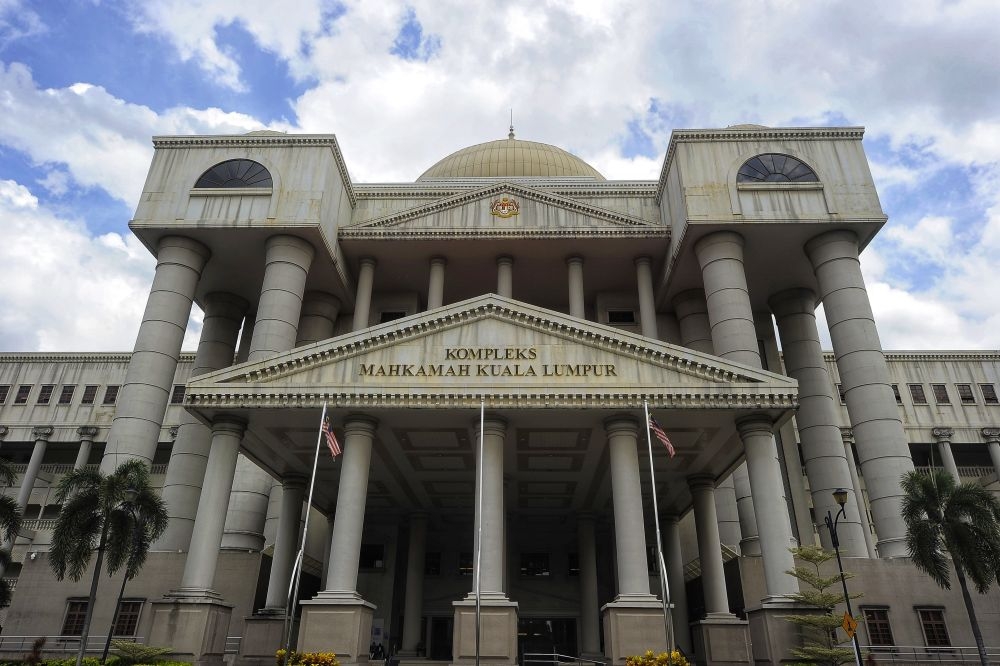
The Malaysian High Court has ruled that the government and police must pay RM195,000 in damages to 13 activists following their unlawful arrest during a vigil in 2021. The judgment, delivered on July 28, represents a significant legal victory for civil liberties advocates and underscores judicial scrutiny of law enforcement conduct during peaceful gatherings. The ruling addresses longstanding concerns among civil society organisations about the use of arrest powers to suppress legitimate forms of protest and public assembly.
The arrested activists participated in a candlelit vigil that the court determined had been assembled without any breach of public order or security. According to the court's findings, the police lacked sufficient legal grounds to take them into custody, and the detention violated their constitutional right to freedom of assembly. The judgment clarifies that peaceful candlelit vigils, particularly those focused on raising awareness or remembrance, fall within the scope of protected expression under Malaysian law. This distinction matters significantly in the Southeast Asian context, where the boundary between tolerated and prohibited assembly often remains murky.
The compensation awarded breaks down to approximately RM15,000 per activist, reflecting the court's assessment of damages for wrongful detention and emotional distress. While the quantum may seem modest, the symbolic importance of the court's decision extends beyond monetary relief. The judgment establishes judicial precedent that arrests made during peaceful gatherings require demonstrable grounds beyond mere suspicion or precautionary detention. Such clarity benefits future protest organisers and activists who need assurance that lawful assembly will receive constitutional protection.
This case emerges within a broader pattern of tension between public protest activities and law enforcement interpretation of public order statutes. Malaysia's legal framework governing assemblies, including provisions under the Peaceful Assembly Act 2012 and the Penal Code, has frequently been invoked to restrict gatherings deemed sensitive by authorities. The 2021 vigil arrests coincided with a period of heightened political volatility in Malaysia, during which various interest groups mobilised public support around competing narratives. Police justified arrests by citing public order concerns, yet the court's subsequent review found these concerns insufficiently substantiated.
The vindication of these activists' legal challenge demonstrates the judiciary's willingness to examine law enforcement proportionality in sensitive contexts. Malaysian courts have gradually articulated more nuanced positions on assembly rights, recognising that emotional expression through candlelit vigils differs fundamentally from assemblies that genuinely threaten public safety. The judgment notes that authorities must distinguish between expressions of sentiment and conduct that actually endangers persons or property. This analytical framework encourages police to employ less restrictive alternatives before resorting to arrest during peaceful gatherings.
For civil rights organisations operating across Southeast Asia, the ruling provides useful jurisprudence regarding the scope of peaceful assembly protections. Countries throughout the region grapple with similar tensions between security imperatives and democratic freedoms. Malaysia's decision offers regional activists and lawyers grounds to argue for comparable judicial deference to peaceful expression in other jurisdictions. The judgment sends a message that courts retain a checking function over executive discretion, particularly when fundamental freedoms are at stake. Such judicial independence remains uncertain in several neighbouring countries where governments exercise tighter control over the bench.
The government and police's liability in this case reflects growing accountability for unlawful detention practices. Compensation orders create financial incentives for law enforcement agencies to review their procedures and ensure arrests meet legal standards. Over time, repeated judgments requiring damages can prompt institutional reforms, including improved training for officers on assembly rights and clearer guidelines distinguishing lawful protest from activities meriting police intervention. The Malaysian government now faces the costs of defending indefensible arrests, potentially encouraging greater restraint in future incidents.
The 13 activists' legal victory required sustained effort and access to competent legal representation, highlighting the importance of human rights legal clinics and pro bono lawyers in pursuing justice. Many activists cannot afford extended litigation, meaning that successful cases often depend on civil society support networks. The vigil case demonstrates how committed legal advocacy can challenge state action even when political pressure discourages such challenges. For Malaysia's civil society ecosystem, the judgment validates the utility of pursuing remedies through courts when administrative and political channels prove unresponsive.
Looking forward, the ruling establishes clearer boundaries for police conduct during assemblies, though implementation remains a crucial variable. Police training protocols, internal accountability mechanisms, and the appetite of officers to arrest demonstrators will ultimately determine whether courts' legal pronouncements translate into changed street-level behaviour. Activists will monitor whether similar unlawful arrests continue to occur despite this judgment, indicating whether courts' decisions genuinely constrain executive power or remain symbolic gestures without practical consequence.
The case also raises broader questions about Malaysia's commitment to democratic governance and human rights protection. Civil liberties depend not only on constitutional text but on sustained judicial enforcement and police respect for legal boundaries. This judgment contributes to those protections, yet the frequency of assembly-related arrests suggests systematic challenges persist. International observers and domestic human rights bodies will track whether Malaysian authorities internalise lessons from the court's decision or whether enforcement patterns remain largely unchanged. The RM195,000 compensation order marks one judicial step toward stronger civil liberties protections, though the path to comprehensive respect for assembly rights remains substantially incomplete within Malaysia's broader institutional landscape.

