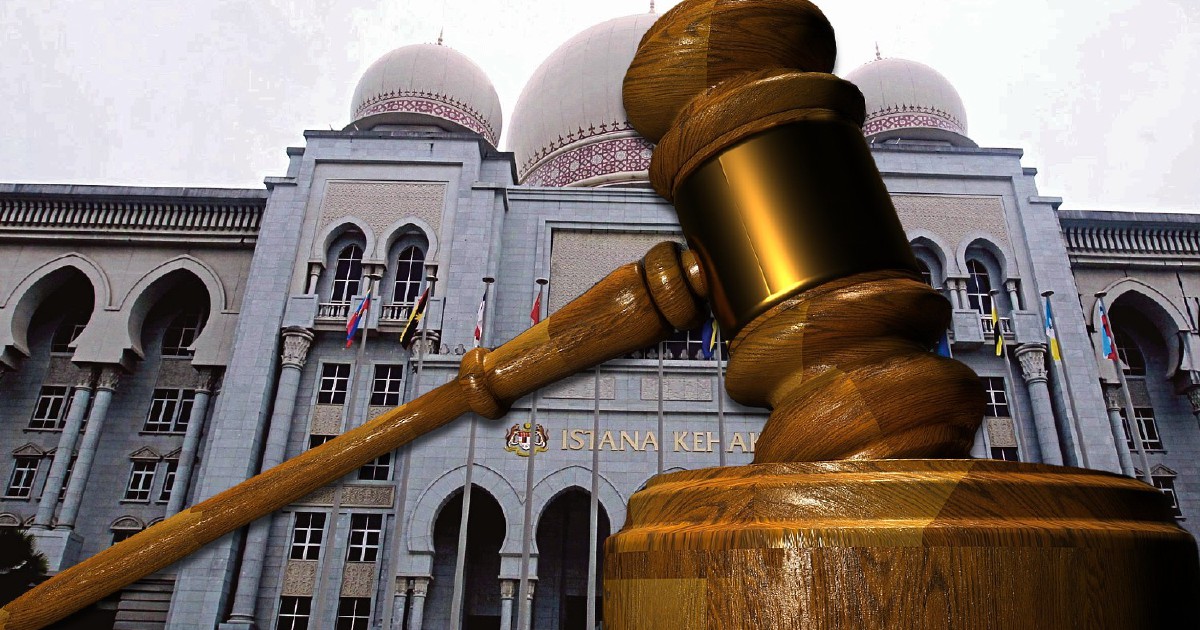
The High Court has scheduled a hearing for September 21 to address several foundational legal questions that could significantly shape the trajectory of a civil lawsuit brought against Prime Minister Datuk Seri Anwar Ibrahim. The case centres on allegations of sexual assault made by Muhammed Yusoff Rawther, who previously worked as a research aide to the Prime Minister. The court's decision on these preliminary matters will determine whether they should be resolved as threshold issues before the actual trial begins or addressed during the substantive proceedings.
Preliminary issues in civil litigation often involve questions of jurisdiction, the sufficiency of pleadings, procedural compliance, or legal impediments that could render the case unsuitable for trial. By addressing such matters early, courts can prevent wasted judicial resources if the action fundamentally lacks legal standing or procedural validity. The September 21 hearing represents a critical juncture in the case, as the outcome will influence both the timeline and scope of the legal battle ahead.
The case emerged amid significant political and public attention, given the prominence of the parties involved. Anwar Ibrahim's position as Prime Minister has rendered the proceedings subject to heightened scrutiny, with implications extending beyond the immediate legal questions at hand. Malaysian courts have previously navigated sensitive cases involving high-profile public figures, drawing careful distinctions between personal conduct and official position while ensuring that no individual is above the rule of law.
Rawther's allegations form the factual foundation of the suit, though specific details regarding the nature and circumstances of the alleged assault remain subject to court proceedings. In Malaysian civil litigation, such cases require complainants to establish their claims on the balance of probabilities, a lower threshold than the criminal standard of proof beyond reasonable doubt. This distinction shapes how evidence is evaluated and what quantum of proof is necessary to succeed.
The involvement of preliminary issues suggests that Anwar Ibrahim's legal team has identified procedural or substantive grounds upon which parts of the claim might be dismissed or stayed before reaching trial. Common preliminary objections include challenges to the court's jurisdiction, arguments that the statement of claim discloses no reasonable cause of action, or contentions that the plaintiff lacks capacity to sue. Each category requires distinct legal analysis and could materially affect the case's viability.
From a broader institutional perspective, the High Court's approach to these matters will reflect Malaysia's judicial commitment to procedural fairness and the rule of law. Even when cases involve sitting officials or prominent political figures, Malaysian courts have demonstrated their willingness to entertain civil suits and allow them to proceed through ordinary legal channels. This principle underscores the independence of the judiciary and its responsibility to adjudicate disputes without regard to the status of the parties.
The scheduling of this particular hearing also highlights the complexity inherent in contemporary civil litigation involving public figures. The court must balance competing interests: ensuring that legitimate grievances receive fair consideration, protecting defendants from baseless or politically motivated suits, and maintaining public confidence in judicial processes. These considerations become especially acute when the defendant holds high executive office, as the case touches upon questions of personal accountability and the limits of official immunity.
Regional observers and legal practitioners across Southeast Asia will likely monitor this case with interest, as it addresses fundamental questions about judicial independence and civil remedies in democracies with Westminster-influenced legal systems. Malaysia's handling of such cases influences regional jurisprudence and signals to other nations how common law jurisdictions address sensitive matters involving political leaders. The High Court's decisions on preliminary issues, in particular, will establish important procedural precedents.
The September 21 hearing date provides both parties with opportunity to present arguments on whether these preliminary matters should delay commencement of substantive trial procedures or proceed in parallel. The court's ruling will reflect its assessment of whether resolving these issues in advance would enhance judicial efficiency or whether they are better determined within the full context of trial evidence. This pragmatic judicial management question often determines how swiftly complex civil disputes reach final resolution.
For Malaysian civil litigation more broadly, this case exemplifies how the legal system accommodates claims against officials while maintaining institutional safeguards and procedural integrity. The willingness of courts to examine preliminary issues thoroughly before proceeding to trial reflects judicial caution and respect for due process. Both characteristics are essential to maintaining public confidence in the judiciary's ability to handle politically sensitive cases fairly and impartially.
The outcome of the September 21 hearing will shape immediate next steps in the litigation, including whether trial preparations can commence immediately thereafter or whether additional preliminary arguments require resolution. Observers expect the court to provide clear reasoning for its decisions, contributing to the broader understanding of how Malaysian courts navigate complex procedural and substantive questions in civil cases involving prominent public figures.

