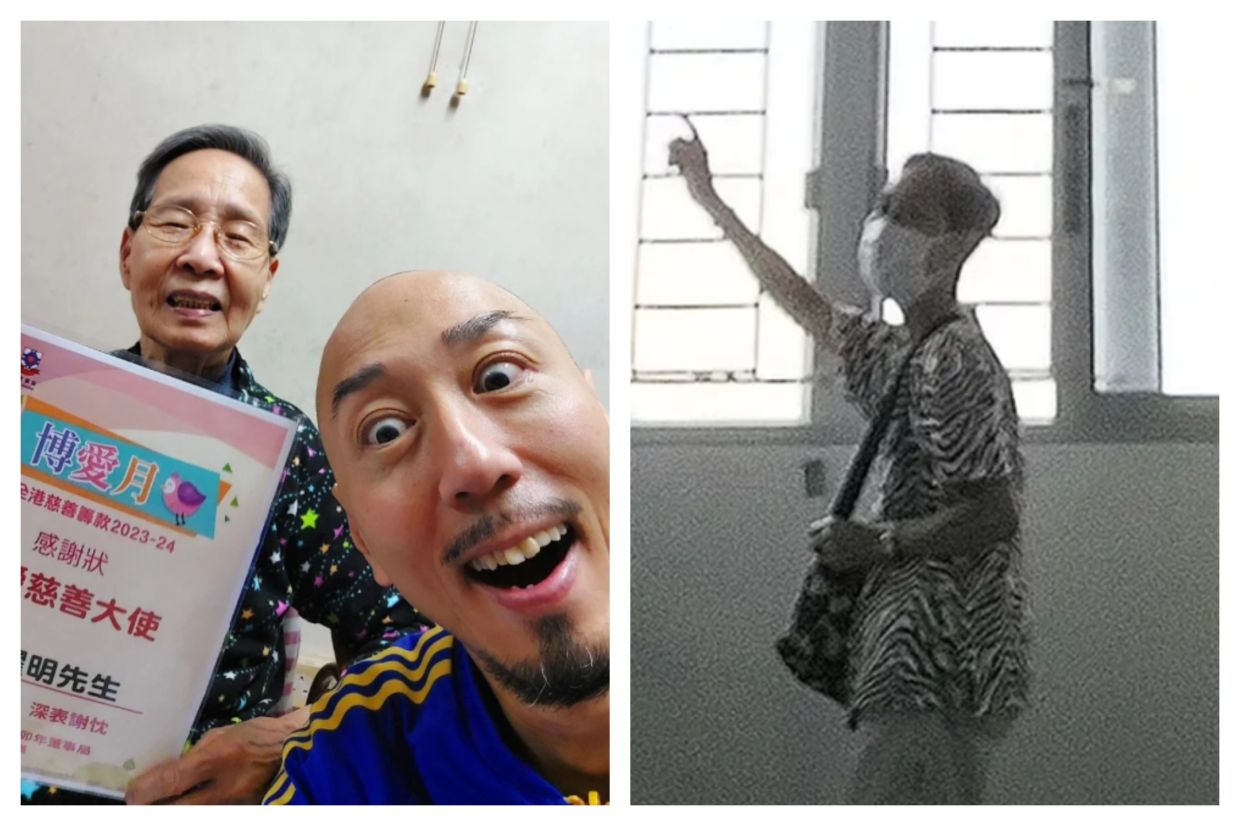
Hong Kong television actor Dai Yiu Ming has realised a long-cherished ambition by purchasing his first property as a home for his elderly mother, marking a significant personal milestone after decades of disciplined financial planning and sustained career effort. The 54-year-old TVB performer announced the achievement through Instagram, where he posted images of the residence and its surrounding views, acknowledging both the substantial financial commitment the purchase represented and his complete absence of regret regarding the decision.
In his social media announcement, Dai reflected deeply on the irreplaceable nature of family time and intergenerational bonds, noting the finite window available for shared experiences with aging parents. His poignant caption captured a universal sentiment about mortality and relationships: the uncertainty of future lives or reunions should reincarnation exist made him determined to act now rather than defer the gesture indefinitely. This philosophical framing resonated strongly with observers, elevating what might otherwise have been a simple property announcement into a broader meditation on life priorities and values.
Dai's mother, now in her eighties, has endured a lifetime marked by material hardship and displacement. Throughout her years, she occupied temporary accommodation including ramshackle structures and government-provided public housing flats that characterised the struggling segments of Hong Kong's post-war population. The actor recounted her harrowing wartime experiences, including survival in air-raid shelters where she sustained herself by foraging wild sweet potato leaves, a stark reminder of the deprivation and uncertainty that shaped her generation's resilience and character.
The actor expressed humility about his own earning capacity, acknowledging that his income trajectory had constrained his ability to accumulate wealth more rapidly. He described his approach as necessarily frugal, requiring meticulous budgeting and disciplined lifestyle choices to gradually accumulate sufficient funds for the property transaction. This candid admission about financial limitations challenged Hong Kong's often-glamorous entertainment industry narrative and highlighted the material struggles facing even established performers, particularly those in supporting roles rather than lead positions.
Dai's gesture carried additional emotional weight given his family circumstances. His father had passed away more than a decade prior, leaving him as his mother's primary source of support and companionship. This responsibility, rather than becoming burdensome, appeared to strengthen his commitment to improving her living conditions and ensuring her dignity and comfort in her final decades. The mother-son relationship had evidently provided mutual sustenance through this period of loss and transition.
The actor's career trajectory had itself been shaped by his family obligations. Originally entering the entertainment industry through ATV's artiste training programme in 1991 and making his dramatic debut in 1993, he subsequently departed the broadcaster after feeling undervalued and underutilised. A brief stint working as a computer repair technician followed before he secured a contract with TVB in 1994, launching a decades-long association with the network that established him as a reliable supporting performer across numerous drama productions.
Dai's career choices were further influenced by his mother when he expanded his professional reach to mainland China in 2017, seeking expanded opportunities and potentially higher remuneration. However, his sojourn proved short-lived, as the psychological and emotional toll of separation from his mother—combined with the challenges of building a career in an unfamiliar market—prompted his relatively swift return to Hong Kong. This decision prioritised emotional connections and family responsibility over career advancement, a choice that eventually culminated in the home purchase.
The property acquisition announcement generated substantial positive engagement from online communities, with social media users expressing admiration for Dai's demonstrated filial piety and sense of familial obligation. Several commentators highlighted how his actions embodied traditional values centring respect for aging parents and repayment of parental sacrifice, values that remain culturally significant across Chinese communities including Hong Kong, mainland China, and ethnic Chinese populations throughout Southeast Asia. The generational theme struck a chord with audiences navigating similar tensions between career ambitions and family responsibilities.
Friends and followers offered encouragement extending beyond mere congratulations, advising Dai to maximise his remaining time with his mother and expressing wishes for their mutual health and prosperity. These responses reflected genuine appreciation for an individual prioritising relational richness and familial duty over material accumulation or professional status. In Hong Kong's competitive and materialistic cultural environment, such choices stand out as countercultural statements about what constitutes genuine success and meaningful life achievements.
For Malaysian and broader Southeast Asian audiences, Dai's experience resonates within shared cultural frameworks emphasising filial responsibility and multigenerational family support. The narrative echoes common patterns in the region where adult children shoulder primary responsibility for aging parents' welfare, often at considerable personal financial cost. His honest acknowledgment of income limitations and the necessity for lifelong frugality also reflects economic realities faced by many middle-class workers across Southeast Asia, where property prices relative to incomes present formidable obstacles to homeownership.
The actor's decision to return from mainland China rather than pursue expanded economic opportunities abroad represents another familiar dilemma for Southeast Asian professionals and entertainers. The gravitational pull of family obligations and emotional bonds frequently outweighs career advancement possibilities, creating persistent tension between personal ambitions and relational commitments. Dai's prioritisation of this bond over professional expansion illustrates how such decisions, though economically suboptimal, often yield psychological and emotional dividends that prove ultimately more valuable than incremental career progress.
Dai Yiu Ming's home purchase ultimately transcends the simple narrative of real estate acquisition. It represents the culmination of decades of sacrifice, strategic financial planning, and consistent prioritisation of family welfare over personal advancement. His public reflection on this achievement serves broader cultural functions, reminding audiences across East and Southeast Asia of enduring values surrounding intergenerational obligation and the profound satisfactions that accompany fulfilling long-deferred dreams rooted in familial love and responsibility.

