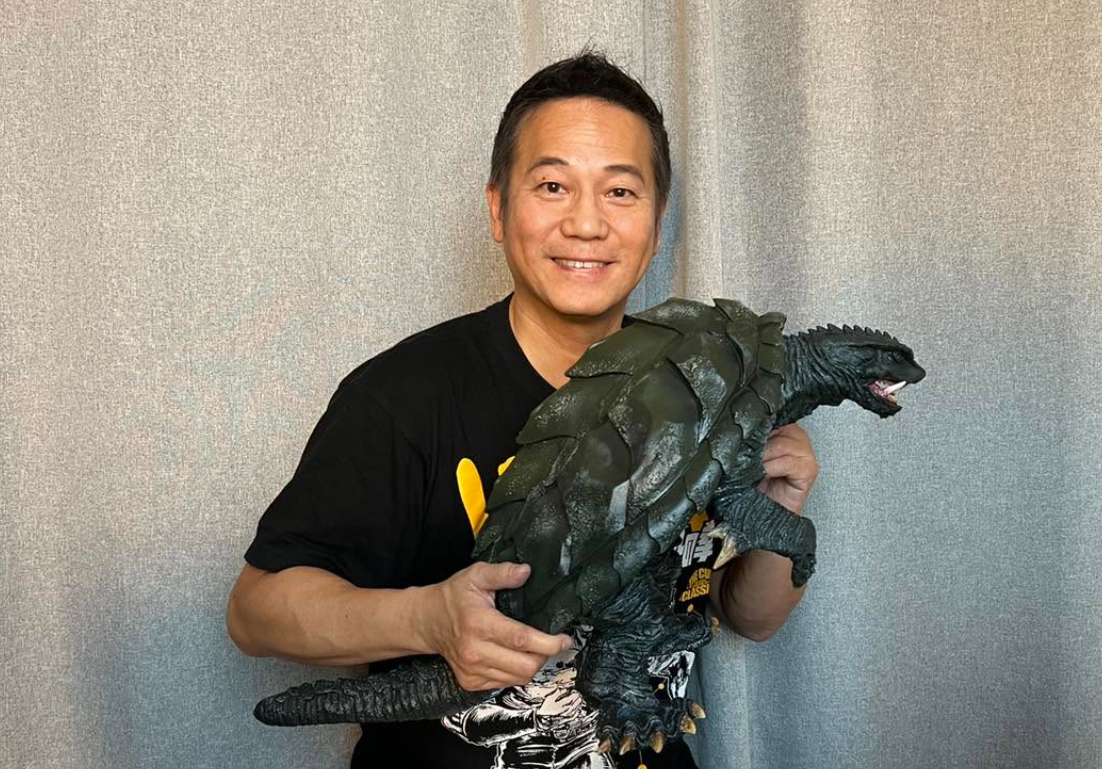
Hong Kong veteran actor Stephen Au, now 63, has found unexpected artistic renewal since relocating to Vancouver four years ago with his wife Phyllis Man, whom he married in 1997. In recent remarks shared during a web interview, the couple expressed profound contentment with their decision to leave Hong Kong, describing their adaptation to Canadian life as remarkably smooth. Rather than viewing the move as a career downshift, Au has leveraged the geographical and cultural distance to reignite dormant passions that his previously hectic Hong Kong schedule had kept perpetually shelved.
The transition to Canada's more measured rhythm has fundamentally altered Au's daily experience and creative output. Back in Hong Kong, the relentless social and professional calendar left little room for introspection or leisurely pursuits. The constant pressure to maintain visibility within entertainment circles meant frequent appearances, networking obligations, and a lifestyle centred on perpetual motion. By contrast, Vancouver has offered Au something rarely accessible in Asia's bustling entertainment capitals: permission to step back without career consequences. He no longer feels the obligation to socialise continuously or attend every significant industry gathering, a liberation that paradoxically has enhanced rather than diminished his creative contributions.
Cultural adaptation has proceeded smoothly, according to Au, who attributes this to approaching interactions with courtesy and respect. The actor's perspective suggests that successful integration into Canadian society relies less on dramatic reinvention and more on simple interpersonal decency. This observation carries particular relevance for Southeast Asian expatriates contemplating relocation to Canada or other Western nations, many of whom harbour concerns about social integration and acceptance. Au's experience demonstrates that professional individuals with good intentions and genuine interest in their adopted communities typically find welcoming environments, contrary to fears sometimes prevalent among prospective migrants from Asian countries.
Perhaps most striking has been Au's productivity surge during his Vancouver tenure. Completing five books across four years represents a remarkable output, suggesting that the quieter environment has unlocked literary capacity that remained dormant throughout his Hong Kong years. This renaissance extends beyond writing into tangible creative pursuits previously abandoned. For nearly two decades, Au accumulated model kits that accumulated dust unopened, victims of his impossible schedule in Hong Kong. Vancouver's relaxed rhythm finally permitted him to engage with this long-neglected hobby. Au has approached model-building with characteristic dedication, constructing elaborate pieces from foundational materials including foam boards and clay rather than simply assembling pre-fabricated components. His enthusiasm for the process itself—the creative problem-solving, the gradual materialisation of vision—speaks to deeper human needs that high-pressure urban environments often suppress.
Despite embracing retirement-like lifestyle options, Au has deliberately rejected complete withdrawal from entertainment. Instead, he has reoriented his professional focus toward theatrical performance, maintaining active engagement with stage productions in Vancouver. This selective approach reflects sophisticated understanding of work-life balance: remaining creatively active without subjecting himself to the grinding commercial pressures that previously defined his Hong Kong career. Theatre offers particular appeal, providing artistic satisfaction without necessarily demanding the relentless promotional machinery surrounding film and television work.
Comparative work practices between Hong Kong and Vancouver reveal instructive differences about creative timelines and industry culture. Productions that compress into two-month preparation periods in Hong Kong stretch across four months in Vancouver, reflecting fundamentally different philosophical approaches to artistic development. Rather than viewing this extended timeline as inefficiency, Au has reframed it as opportunity for thoughtful refinement. The Vancouver team, smaller and less hierarchically rigid than typical Hong Kong production structures, operates with what Au characterises as authentic simplicity and genuine passion. Such environments often prove creatively fertile precisely because they prioritise artistic integrity over commercial expediency.
For Au, this professional recalibration carries particular emotional resonance because it enables him to export Hong Kong culture to international audiences. Bringing Asian theatrical traditions and contemporary storytelling to Vancouver audiences who might otherwise lack exposure to such work provides profound personal satisfaction. This cultural ambassadorial function transforms his professional activities from mere income generation into meaningful intercultural dialogue. For Malaysian readers and Southeast Asian audiences following Au's trajectory, his experience illustrates how international relocation need not represent career abandonment but rather creative repositioning that can yield unexpected professional and personal rewards.
The decision to maintain professional involvement while prioritising personal wellbeing distinguishes Au's approach from stereotypical expatriate narratives. Many prominent individuals who relocate permanently do so amid assumptions that they are winding down careers or escaping industry responsibilities. Au's continuation in theatre, albeit on modified terms, suggests that geography rather than age or capability determines participation patterns. The underlying message for Southeast Asian creative professionals contemplates mobility: relocation offers not merely lifestyle modification but genuine opportunity for redirection toward more fulfilling professional engagements.
Ultimately, Au and Man's four-year Vancouver experience challenges assumptions about what constitutes successful retirement or creative productivity for individuals accustomed to high-pressure Asian business environments. Their story resonates particularly across Southeast Asia, where similar pressures operate within Hong Kong's sphere of cultural and economic influence. The couple's testimonial suggests that well-intentioned relocation, approached with openness rather than resentment toward departing home, can paradoxically deepen engagement with one's original culture by creating psychological and physical distance that enables fresh appreciation. For the broader expatriate community and those considering international relocation, Au's measured contentment offers measured but genuine encouragement.

