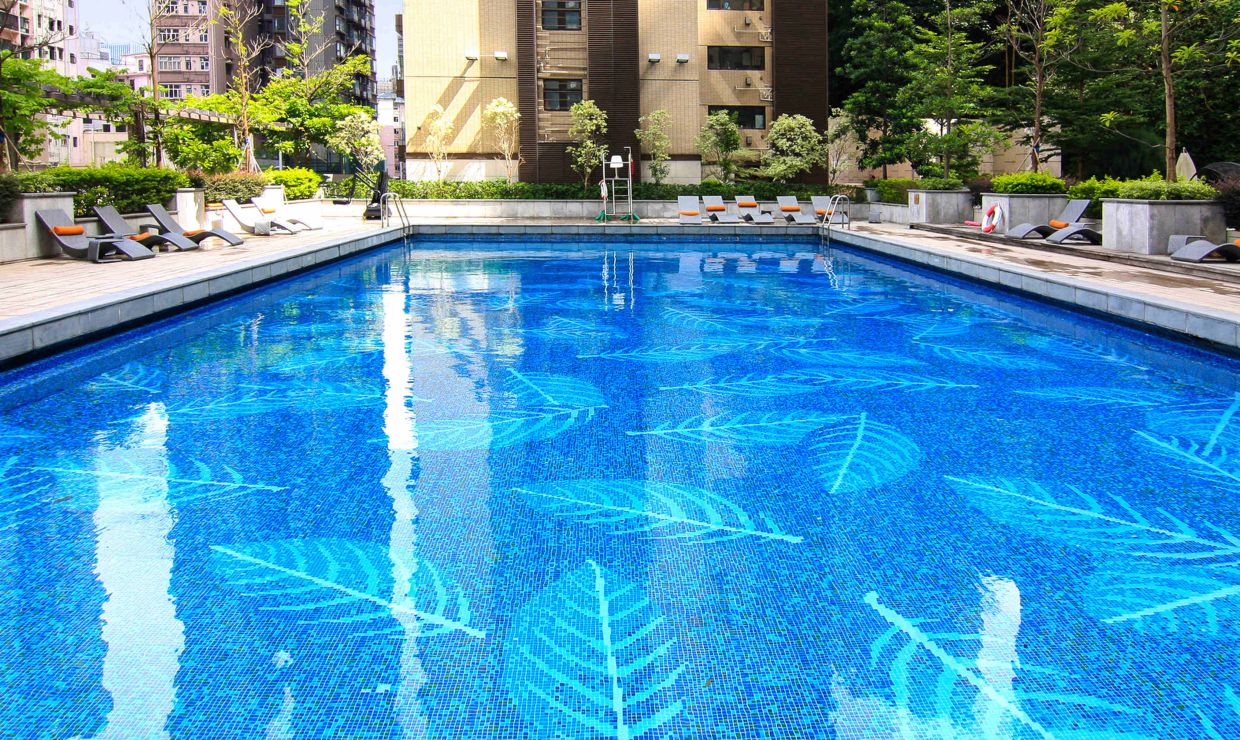
A private swimming pool facility at a residential estate in Hong Kong's affluent Happy Valley district has been forced to shut its doors following an investigation that uncovered a lifeguard working with falsified qualifications. The discovery represents a serious breach of public safety protocols in a city where swimming facilities are heavily regulated and where drowning prevention remains a critical concern for water sports authorities.
The Food and Environmental Hygiene Department announced the closure on Thursday after conducting routine verification checks on lifeguard credentials. Officers had submitted documentation for a group of lifeguards to the Hong Kong China Life Saving Society for cross-referencing on Wednesday, and the results returned the following day exposed the inconsistency. The pool, located at 1-5 Ventris Road and identified as being within Winfield Building, faced immediate shutdown because the discovery left it operating below the legally mandated threshold of qualified water safety personnel.
The regulatory violation triggered a multi-agency response. Beyond the mandatory closure, department officials indicated they were contemplating legal proceedings against the pool operator for licensing violations. Simultaneously, authorities referred the apparent document fraud to the police for potential criminal investigation, treating the matter as more than a simple administrative oversight. The Property Management Services Authority also received notification to monitor the situation and ensure compliance with future requirements.
Responsibility for maintaining aquatic safety standards in Hong Kong rests primarily with the FEHD, which oversees both public and private pool operations across the territory. Officials emphasized that swimming pool operators bear an absolute obligation to uphold strict compliance with the Swimming Pools Regulation and associated licensing conditions. The department spokesperson highlighted that maintaining sufficient numbers of properly qualified lifeguards during all operational hours represents a non-negotiable requirement, not a guideline that facilities can negotiate around based on staffing convenience.
The incident underscores heightened vigilance that Hong Kong authorities have implemented since May of last year, when regulatory requirements were substantially strengthened. From that point forward, private pool licensees became obligated to inspect identity documents from prospective lifeguard hires before bringing them onto the roster, and they must retain verified copies of each employee's Pool Lifeguard Awards certification and personal duty logbooks. These documentation requirements exist to create an auditable trail that prevents precisely the kind of credential fraud that triggered the Happy Valley closure.
To strengthen oversight further, officials introduced a protocol requiring that duty schedules be verified and counter-signed by both the lifeguards themselves and the pool operator's designated inspecting staff members. This dual-signature system creates accountability at multiple levels and makes it more difficult for falsified records to circulate undetected. The changes represent a response to earlier incidents where unqualified personnel were discovered working at private facilities, suggesting the problem had reached levels requiring systematic intervention.
The scope of enforcement activity demonstrates how seriously Hong Kong treats pool safety matters. Between January and July of this year alone, the department executed approximately 7,000 separate inspections across more than 1,400 licensed private swimming pools throughout the territory. During these verification activities, officials examined the qualifications of roughly 2,100 individual lifeguards. This intensive inspection regime reveals the sheer number of private pools requiring oversight and the considerable logistical effort devoted to maintaining uniform safety standards.
The broader context demonstrates that credential fraud at swimming facilities is not an isolated anomaly in Hong Kong. A previous case uncovered last year involving suspected deployment of unqualified lifeguards emerged following the implementation of these enhanced regulatory measures, suggesting that the new protocols are actually succeeding in surfacing compliance problems that might otherwise have remained hidden. The system is working as designed—violations that existed prior to the crackdown are now being detected through more rigorous verification procedures.
Looking forward, authorities have committed to intensifying their inspection operations, particularly during peak swimming season when pool usage surges and the consequences of inadequate supervision become more serious. The department plans to increase the frequency of unannounced surprise inspections and spot checks, which catch operators unaware and prevent them from staging compliance just before scheduled reviews. This strategy of randomized, intensive monitoring aims to create sufficient perceived risk of detection that operators maintain standards consistently rather than cyclically.
The incident carries implications beyond Hong Kong's borders. Southeast Asian nations with significant expatriate and tourist populations relying on private swimming facilities may recognize similarities in their own regulatory environments. Pool safety represents a universal public health concern, and the degree to which authorities invest in credential verification and surprise inspections often correlates with drowning prevention effectiveness. Hong Kong's systematic approach to this issue, while prompted by incidents of fraud, reflects broader best practices that emphasize continuous verification and spot-check enforcement rather than relying solely on initial licensing and periodic audits.

