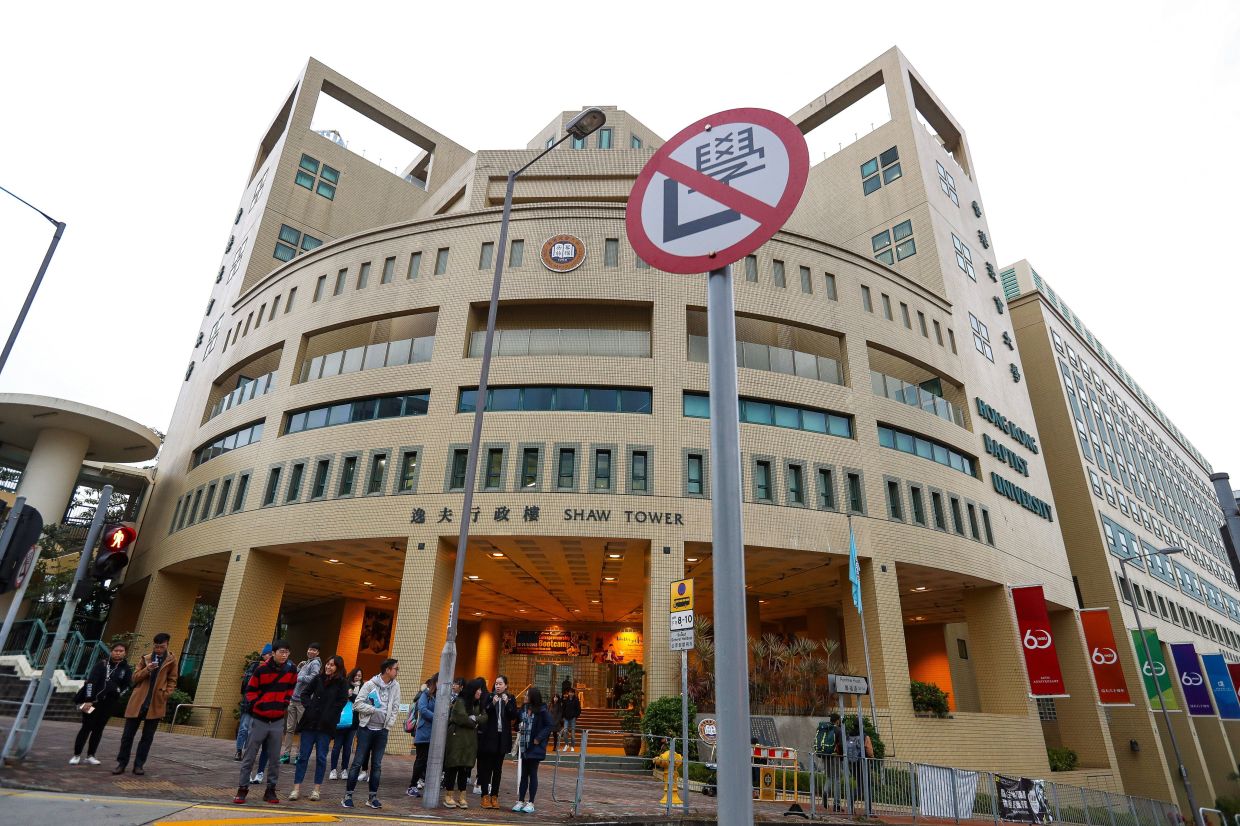
Hong Kong Baptist University has launched a comprehensive review of its information technology infrastructure following allegations that a sophisticated ransomware outfit successfully penetrated the institution's systems and extracted sensitive data. The breach claims emerged from The Gentlemen, a cybercrime collective that gained prominence in mid-2023 and has since become notorious for deploying extortion tactics across educational and corporate networks globally.
According to cybersecurity monitoring platforms tracking the group's activities, the suspected compromise encompasses approximately 1,900 user credentials spanning multiple categories of institutional access. The exposed credentials reportedly include around 130 staff member accounts, roughly 1,770 general user accounts belonging to students or other university-affiliated individuals, and approximately 260 third-party employee credentials for contractors or service providers. The breadth of the exposure underscores how ransomware operations target entire organisational ecosystems rather than isolated systems.
The Gentlemen operates using a franchise-like revenue model that distinguishes it from conventional cybercrime operations. Rather than conducting attacks independently, the group develops extortion software and distributes it to other hackers through a profit-sharing arrangement, essentially creating a distributed network of attackers working under its banner. This approach has enabled rapid expansion across international networks, with the group infiltrating systems across multiple continents and sectors. The decentralised nature of their operation makes them particularly difficult to counter since enforcement agencies must contend with numerous threat actors rather than a single centralised entity.
The university issued a formal statement late Tuesday acknowledging reports of unauthorised system access and confirming it had initiated a thorough security examination. Officials indicated the institution would pursue appropriate remedial steps through established protocols and maintain ongoing communication with local regulatory bodies and law enforcement agencies. The measured response reflects standard institutional practice during cyber incidents, though cybersecurity experts have flagged the necessity of more aggressive preventive measures.
Hong Kong's Privacy Commissioner for Personal Data has yet to receive formal notification of the breach from the university itself, according to a spokesperson for the office. However, the watchdog has proactively initiated contact with Baptist University to gather details about the incident and assess compliance with notification requirements under Hong Kong's Personal Data Protection Ordinance. This regulatory oversight is critical given the sensitivity of institutional data, particularly records maintained on students and employees.
Francis Fong Po-kiu, who holds the honorary presidency of the Hong Kong Information Technology Federation, has articulated a detailed roadmap for institutional response. He emphasised that Baptist University should immediately file formal notification with the privacy commissioner, a step that appears not to have been completed despite the university's public acknowledgment of the breach claims. Comprehensive forensic examination of systems is essential to establish the breach's scope, timeline, and methods of unauthorised access. Additionally, the institution must verify whether attackers utilised compromised credentials to penetrate core administrative systems or successfully exfiltrate confidential data beyond the initial credentials themselves.
The expert consensus points toward several immediate protective actions. A mandatory campus-wide password reset would invalidate stolen credentials and prevent their use for further intrusion attempts. Implementation of multi-factor authentication across all systems would add a secondary verification layer, making credential compromise alone insufficient for system access. Notification to Hong Kong Police and relevant cyber crime divisions ensures law enforcement can investigate and potentially disrupt the threat actors' operations. Equally important is transparent communication with students, staff, and third-party users about investigation progress, potential exposure, and protective measures they should adopt personally.
For Malaysian institutions and regional universities, the Baptist University incident serves as a cautionary illustration of ransomware group capabilities and evolving threat landscapes. Southeast Asia has increasingly featured in cybercrime targeting reports, with educational institutions viewed as attractive targets due to less sophisticated security infrastructure compared to financial sectors and substantial repositories of personal data. The Gentlemen's franchise model suggests attackers will continue proliferating across the region, targeting institutions with similar security postures.
The incident underscores broader vulnerabilities in institutional cybersecurity across Asia-Pacific educational networks. Many universities prioritise academic missions and cost containment over sophisticated security investments, creating environments where determined attackers encounter minimal resistance. The availability of rentable extortion software has dramatically lowered barriers to entry for cybercriminals, enabling less technically proficient actors to launch professional-grade attacks. This commodification of ransomware capabilities represents a fundamental shift in threat dynamics that demands corresponding evolution in institutional defences.
Regional cooperation mechanisms become increasingly important as cross-border cybercrime proliferates. Hong Kong's handling of this incident will inform how other Asian universities and authorities respond to similar breaches. The Privacy Commissioner's proactive engagement suggests regulators are taking ransomware threats seriously, though enforcement effectiveness depends on coordinated action between institutions, government agencies, and law enforcement bodies. For Malaysian stakeholders, observations of how Hong Kong's regulatory and institutional responses unfold provide valuable lessons for developing stronger cybersecurity governance frameworks.
Baptist University's predicament reflects systemic challenges facing educational institutions globally. Balancing operational continuity with security investment requires sustained commitment and resources that many universities struggle to allocate effectively. The incident demonstrates that even established, well-resourced institutions remain vulnerable to determined cybercriminals leveraging sophisticated toolkits and profit-motivated attack models. Fundamental remediation requires not merely reactive incident response but cultural shifts toward treating cybersecurity as a core institutional responsibility rather than a technical department concern.

