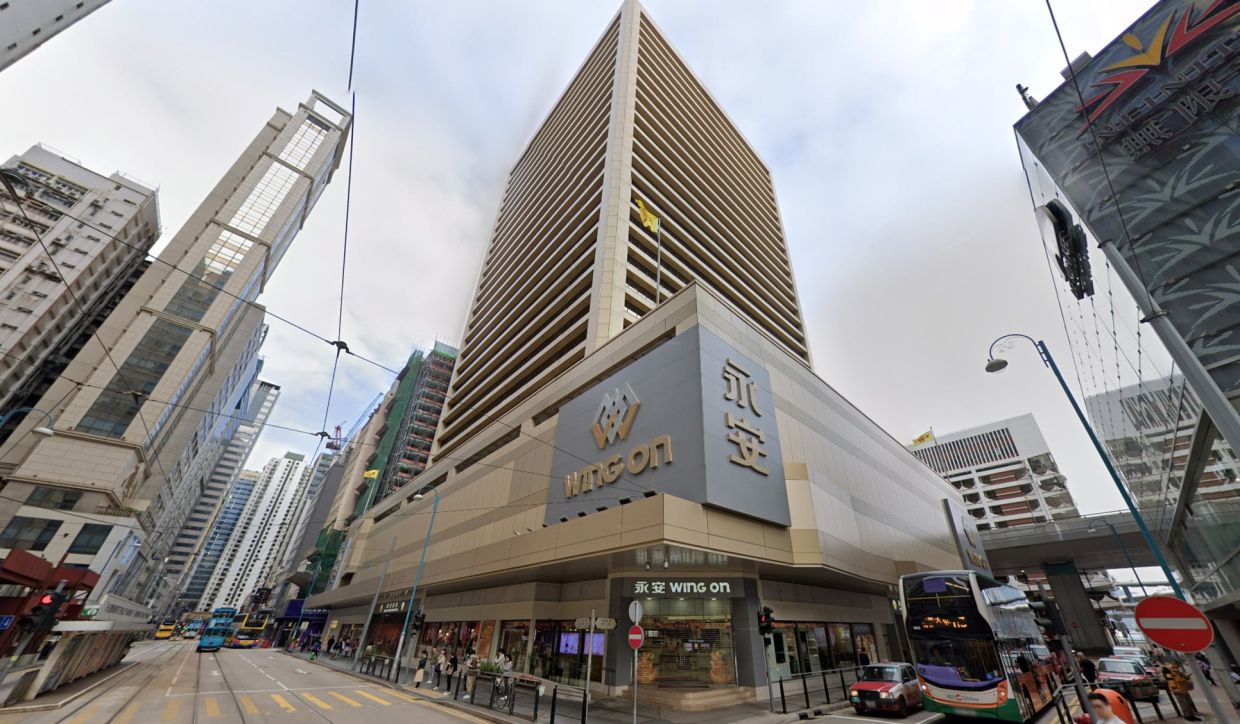
Hong Kong's Customs and Excise Department has opened an investigation into allegations that an elderly woman was subjected to coercive sales tactics and pressured into a six-figure spending spree on cosmetic products at a beauty boutique in the heart of the territory's retail district. The case, brought to light through a social media disclosure over the weekend, centres on an 88-year-old customer who spent HK$100,000 (approximately US$12,750) at an Avinichi outlet operating within the Wing On department store in Sheung Wan during an April visit. The incident has reignited concerns about predatory commercial practices targeting vulnerable consumers in Hong Kong's increasingly scrutinised beauty product market.
According to an account posted by a woman surnamed Ng, her mother's ordeal unfolded over three consecutive hours during the April transaction. Ng alleged that once the initial purchase was completed, a salesperson retained her mother's credit card rather than returning it promptly, instead keeping the card within a folder while continuing to pitch additional merchandise. The sustained sales pitch allegedly resulted in four separate card swipes, generating charges totalling HK$100,000 for an assortment of skincare treatments, a specialised beauty device, and a package of 24 detoxifying sessions. Throughout this extended purchasing period, Ng's account suggests the elderly woman became increasingly uncertain about her own decision-making capacity.
The psychological impact on the customer appears to have been profound. Ng reported that her mother felt emotionally drained and mentally disoriented following the experience, describing a sensation akin to being under hypnotic influence during the transaction. When her mother's personal helper made attempts to interrupt the sales process and encourage departure from the store, the sales effort reportedly continued unabated. The family's subsequent request for a refund was denied by Avinichi management, who offered only an exchange of products as an alternative resolution. Frustrated by the retailer's response, the family escalated the matter to both the Customs and Excise Department and Hong Kong's Consumer Council.
Custody officials have confirmed they are treating the complaint with appropriate urgency. In a statement to the South China Morning Post, the department indicated it was "actively investigating the case" and pledged to pursue "appropriate enforcement" measures should evidence emerge of violations under the Trade Descriptions Ordinance. The agency reiterated its institutional commitment to protecting consumer interests and declared a "zero tolerance" policy toward unfair commercial practices by unscrupulous traders. This public commitment reflects growing political sensitivity around consumer protection in Hong Kong, particularly concerning vulnerable demographic groups.
When journalists attempted to investigate the allegations by visiting the Wing On location on Saturday, the retail staff expressed no awareness of the complaint. After staff consulted with management by telephone, an employee requested the reporter's contact details and indicated that a company representative would subsequently respond. However, this promised communication had not materialised by late evening, suggesting either organisational reluctance to engage with media scrutiny or internal disorganisation at the retailer level. The reluctance to facilitate direct managerial engagement during the initial visit hints at a defensive institutional posture.
Avinichi represents one component of a larger retail conglomerate operating across Hong Kong and Singapore. The brand falls under the operational umbrella of Apex Retail, which manages approximately a dozen retail locations throughout Hong Kong under various brand names including Earth, Napara, Privilege Boutique and Dualsonic. Corporate documentation indicates the company launched two Avinichi "experience boutiques" specifically in 2025, with the Wing On outlet identified as one of its designated "mall partners." Notably, the Avinichi trademark itself is held by Exclusive Label, a United States-based entity, while individual retail locations operate under franchised independent management arrangements according to disclaimers on the company website.
This investigation emerges within a broader context of intensifying regulatory attention on Hong Kong's beauty and skincare retail sector. The territory has witnessed a succession of concerning incidents at competing establishments that point toward systemic problems rather than isolated aberrations. Most prominently, authorities previously arrested two managers at the Hong Kong operation of Opatra London following allegations of coercive selling methods. Similarly, The Mineral Boutique, operating under the Beauty Express Group corporate structure, has attracted regulatory scrutiny for allegedly deploying aggressive commercial tactics against customers. Legal analysts have previously indicated that such practices—encompassing credit card retention, unwanted physical contact, and psychological pressure to acquire expensive products—potentially constitute breaches of Hong Kong's Trade Descriptions Ordinance.
The Trade Descriptions Ordinance specifically prohibits harassment, intimidation and deceptive conduct intended to coerce consumers into transactions they would not otherwise voluntarily undertake. These legal protections ostensibly establish a regulatory framework for prosecuting the alleged conduct, though enforcement effectiveness remains contingent upon establishing clear evidence of intentional wrongdoing. For Malaysian and Southeast Asian observers, the Hong Kong situation illustrates vulnerabilities that exist across regional retail environments, particularly in premium beauty and wellness sectors where high-value transactions and aggressive sales cultures frequently coexist.
The broader implications extend beyond individual prosecutions or corporate liability. Hong Kong's experience suggests that premium beauty retail markets can attract operators willing to exploit elderly customers' susceptibility to both social pressure and commercial persuasion techniques. The concentration of complaints across multiple competing establishments indicates structural incentives within the business model that reward aggressive conversion tactics. Malaysian consumers and regulators should note that as similar beauty and wellness retail concepts expand throughout Southeast Asia, comparable vulnerabilities may emerge without proactive institutional safeguards and enforcement capacity. The case also underscores the importance of accessible complaint mechanisms and serious investigative resources to protect vulnerable consumer segments across the region.

