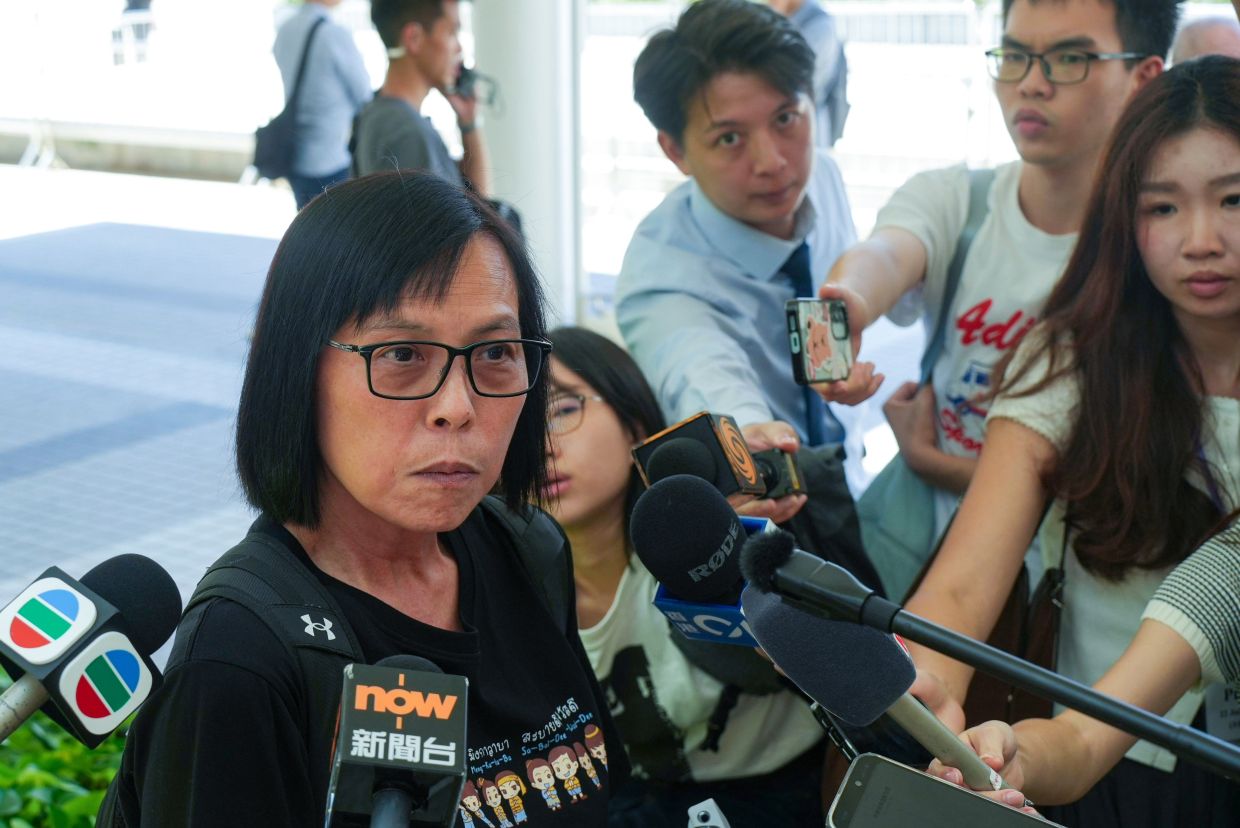
The independent committee tasked with probing last year's Wang Fuk Court fire in Hong Kong has decided against requesting statutory commission status, a decision that has triggered apprehension among survivors and their supporters regarding the thoroughness and reach of the ongoing inquiry. Committee chairman Justice David Lok Kai-hong announced the panel would not petition the chief executive to elevate the investigation into a formal statutory commission of inquiry, despite the probe resuming this week after a six-week hiatus. The determination represents a critical juncture in how Hong Kong's authorities intend to address accountability for the deadly incident.
Statutory commissions of inquiry carry substantially greater investigative muscle than voluntary committees. Such formal bodies possess the legal authority to compel witnesses to testify under oath, demand production of documents and records, and impose penalties for non-compliance or perjury. By contrast, non-statutory inquiries depend largely on the cooperation of witnesses and organisations, which can prove limiting when parties have incentives to withhold information or restrict access to sensitive materials. The distinction carries particular weight in complex industrial or structural disasters where institutional responsibility and negligence investigations are central to establishing facts.
The Wang Fuk Court incident represents one of Hong Kong's most significant residential fire tragedies in recent years, with considerable loss of life and widespread public concern about building safety standards and emergency response protocols. Survivors and bereaved families have articulated legitimate worries that an inquiry without statutory backing may struggle to access critical evidence held by developers, contractors, government departments, and building management entities. These stakeholders might resist voluntary disclosure if providing information could expose them to legal liability or regulatory penalties.
Justice Lok's decision reflects broader questions about how Hong Kong calibrates investigative rigour against other considerations. The committee chairman has not publicly detailed the rationale for declining statutory status, leaving observers to speculate whether resource constraints, timeline pressures, or broader political considerations influenced the determination. Inquiries converted to statutory commissions typically operate under enhanced scrutiny, with proceedings often held in public and generating formal published reports that carry greater legal weight and public visibility.
The implications extend beyond Hong Kong's domestic context. Southeast Asian jurisdictions regularly observe how Hong Kong's regulatory and investigative institutions function, particularly regarding building safety and disaster accountability. Malaysia, which has experienced its own high-profile residential fires and structural incidents, maintains close professional networks with Hong Kong authorities and often references international best practices. The approach taken here could influence how regional governments calibrate their own disaster inquiries and the investigative powers they grant to oversight bodies.
Survivors' concerns also touch on transparency and public confidence. Statutory commissions typically operate under procedural rules established in law, with clearer protocols for witness examination, evidence handling, and report publication. Non-statutory committees, while potentially more flexible, may lack comparable accountability mechanisms. For families seeking answers about how their loved ones died and whether preventative measures were inadequate, the distinction between investigative frameworks carries profound meaning. Public hearings and formally published findings provide closure and generate pressure for systemic improvements.
The building safety implications warrant particular attention across Hong Kong and the wider region. Fire incidents in high-rise residential blocks expose vulnerabilities in construction standards, maintenance protocols, and emergency response systems. A thorough investigation necessarily examines whether materials met specifications, whether structural elements degraded through poor upkeep, whether fire safety systems functioned as designed, and whether evacuation procedures proved adequate. Each of these questions may require compelling testimony from experts, contractors, and officials who might otherwise prefer to volunteer limited information.
Justice Lok's announcement also raises procedural questions about who determines whether statutory conversion should occur. In many jurisdictions, inquiry chairs recommend statutory status upgrade when investigation scope expands or when voluntary cooperation proves insufficient. The decision here appears to have been made early in the renewed proceedings, potentially foreclosing future escalation even if investigative challenges emerge. This approach contrasts with frameworks where statutory authority can be sought midway through proceedings when investigative needs become apparent.
The financial and timeline implications of forgoing statutory status warrant consideration as well. Statutory inquiries typically command greater resources and organisational support from government agencies. Non-statutory committees may operate with leaner budgets and staff, potentially extending investigation timelines or limiting the depth of expert analysis. For survivors and families, extended proceedings without guaranteed outcomes can prove emotionally taxing. Statutory frameworks often establish explicit completion deadlines and reporting obligations, providing predictable closure.
Looking forward, the decision shapes what accountability mechanisms Hong Kong survivors can realistically expect. If the committee's voluntary approach encounters uncooperative witnesses or restricted access to key documents, the panel will lack formal enforcement mechanisms to compel disclosure. The public record may remain incomplete, potentially leaving critical questions about causation and institutional responsibility unresolved. Such outcomes would likely generate sustained criticism about whether non-statutory status proved adequate for a tragedy of this magnitude.
The resumed investigation will test whether Justice Lok's confidence in the voluntary approach proves justified. Should significant obstruction or information gaps emerge, survivors and advocacy groups will almost certainly reiterate calls for statutory conversion. The broader lesson for Hong Kong and regional governments concerns the appropriate calibration between investigative flexibility and institutional authority. For matters involving loss of life and potential systemic failures, the balance increasingly tilts toward granting inquiries formal statutory powers from inception, ensuring maximum investigative reach and public accountability.