A Hong Kong court has sentenced a 65-year-old repeat sex offender to four months in prison following his assault of a secondary school student aboard a public bus in June. The case, which drew substantial public attention after video footage circulated online, underscores persistent concerns about harassment on public transport in the territory and the challenges authorities face in protecting vulnerable passengers.
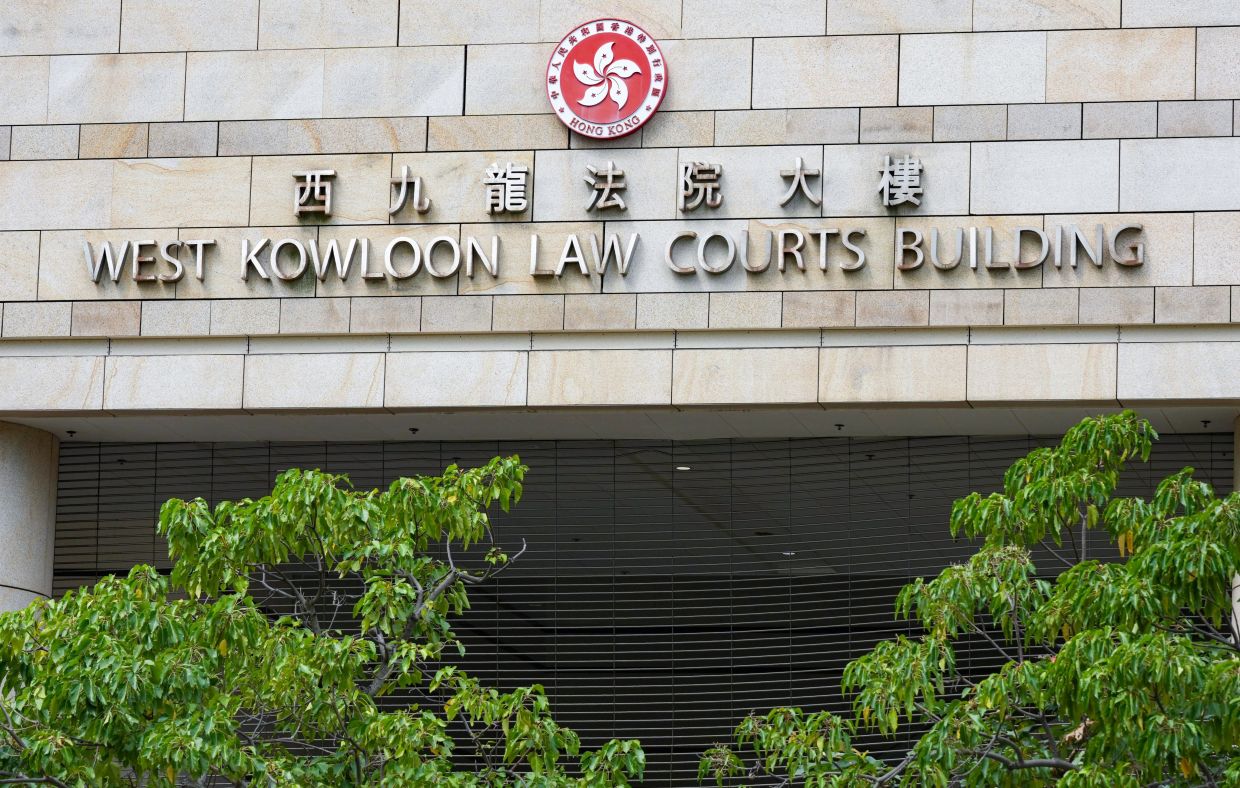
William Wu Yiu-shing, a former household hardware salesman, appeared before West Kowloon Court on Tuesday where he pleaded guilty to indecent assault. The sentencing is notably lenient compared to the maximum penalty of ten years' imprisonment for such offences, though magistrate-level cases are capped at two years. Wu's culpability was apparently mitigated by his guilty plea and willingness to undergo psychological rehabilitation, according to his legal representative.
The attack occurred on June 5 as a KMB double-decker bus made its way through the busy Mong Kok intersection near Sai Yeung Choi Street South around midday. A pedestrian outside the vehicle captured the entire assault on camera, recording approximately 37 seconds of footage that would subsequently spark significant online discussion. The video showed Wu, wearing a white tank top, reaching forward from his seat to touch the Form Three student's chest as she sat in the row directly in front of him on the upper deck.
Remarkably, onlookers on the street verbally warned the offender during the incident, yet Wu continued his assault as the bus pulled away from the traffic light. His apparent disregard for public admonishment, combined with the brazen nature of the attack in daylight hours on a crowded vehicle, amplified public concern about safety standards on local transportation.
The teenage victim reported feeling her armpit touched for several seconds and observed the defendant attempting to grab her. She subsequently told police she was overcome with fear and unable to respond appropriately to the assault, instead rushing home immediately after the incident concluded. The psychological impact of such public harassment on young passengers raises questions about whether schools and transport operators have adequately equipped students with resources and confidence to respond to such situations.
Authorities apprehended Wu the same day at the Hong Kong-Zhuhai-Macau Bridge border checkpoint upon his return from Macau, suggesting investigators acted swiftly to identify and detain the suspect. During questioning, Wu admitted to the offence, acknowledging that he committed the assault to satisfy sexual desires. This candid admission likely contributed to the court's decision to accept his guilty plea rather than proceed to trial.
What distinguishes this case within Hong Kong's criminal justice landscape is Wu's prior record. He carries three previous convictions for indecent assault, indicating a persistent pattern of such behaviour spanning his criminal history. The recidivism suggests either inadequate rehabilitation from previous sentences or a fundamental unwillingness to modify his conduct despite prior legal consequences. Courts in Hong Kong, as in many jurisdictions, face the persistent challenge of determining appropriate sentences for repeat offenders when deterrence and rehabilitation appear to have failed previously.
Wu's legal team presented mitigating circumstances during sentencing, emphasizing his frank acknowledgement of wrongdoing and admission that he had committed similar offences previously. More significantly, the defence highlighted his expressed willingness to undergo psychological treatment as part of rehabilitation efforts, a factor that courts often weigh favourably when considering sentence length. This willingness to engage with mental health services potentially signals a recognition that his behaviour stems from controllable impulses rather than violent predisposition.
The timing of Wu's release carries practical significance for victim protection and offender management frameworks. Having been remanded in custody since prosecution commenced on June 8, he is anticipated to be eligible for early release in approximately one month, meaning he will serve considerably less than the four-month sentence imposed. This trajectory raises questions about whether the sentence adequately reflects the seriousness of attacking a minor in public and the ongoing threat posed by a repeat offender.
The incident and subsequent sentencing resonate beyond Hong Kong's borders, particularly for Southeast Asian readers concerned with urban safety and transport security. Malaysia, similarly faced with public transportation challenges and occasional reports of harassment on buses and trains, might consider whether comparative legislative frameworks adequately protect vulnerable passengers. The Hong Kong case illustrates how swift identification and prosecution, aided by digital evidence and public witnesses, can facilitate quick court outcomes, though sentencing levels may remain contentious.
This case also highlights the role of vigilant bystanders in modern urban crime prevention. The pedestrian's decision to film and share the incident, despite its disturbing nature, directly contributed to the offender's apprehension and prosecution. However, the reliance on such ad-hoc documentation raises questions about systemic security measures on public transport, including CCTV coverage, trained staff intervention protocols, and passenger support mechanisms that should ideally prevent such incidents entirely.
Looking forward, the sentencing may prompt broader discussions within Hong Kong and the region regarding rehabilitation effectiveness for sex offenders, the adequacy of deterrent sentences, and whether psychological treatment programmes can genuinely address compulsive behaviour patterns. The contrast between Wu's stated willingness to seek help and his extensive prior record suggests that motivation alone may be insufficient without intensive, long-term intervention.
The case ultimately exemplifies the tension within criminal justice systems between punishment, rehabilitation, and public protection—tensions that are particularly acute when repeat offenders target minors in spaces where citizens should feel safe.

