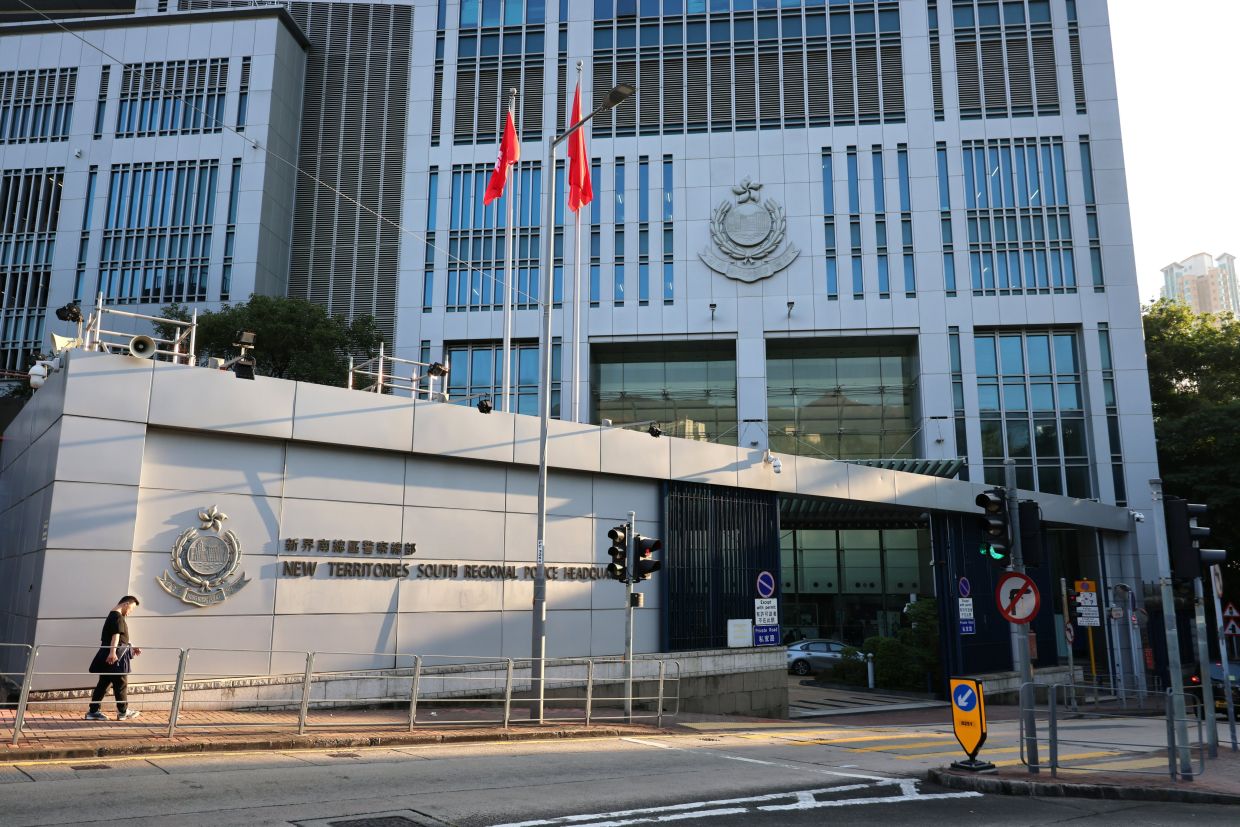
A Hong Kong police officer faces serious misconduct charges stemming from his alleged use of official investigative access to contact and harass a civilian, highlighting ongoing concerns about the conduct of law enforcement personnel in the territory. The 32-year-old officer, stationed at Kwai Tsing police district, was detained on August 20 by officers from the New Territories South regional crime unit, according to a police statement released Thursday. His arrest came following a formal complaint and internal inquiry that revealed troubling behaviour during the course of his official duties.
The underlying incident emerged from a criminal investigation commenced in May of the previous year. While that case remains under police purview, the officer's conduct during the inquiry crossed a significant line when he allegedly made contact with a woman who was connected to one of the suspects under investigation. Rather than maintaining professional boundaries, the officer proceeded to send this individual a series of inappropriate text messages and graphic images of an indecent nature. The communications appear to have exploited his position within the police force and his access to sensitive investigative information as leverage or context for his private pursuit.
The complainant took approximately several weeks before reporting the officer's behaviour to police authorities. Her decision to come forward formally marked a critical juncture in what would become a disciplinary and legal proceeding against the officer. Following her report that same month, police headquarters initiated a comprehensive inquiry into the matter, eventually concluding that sufficient evidence existed to proceed with formal charges. The investigation did not simply close the matter internally; instead, it resulted in the officer being formally charged with one count of misconduct in public office, a statutory offence under Hong Kong law that addresses breaches of trust by those holding public positions.
The severity of the charge reflects the legal system's approach to police officers who abuse their authority or professional standing. Misconduct in public office carries significant potential consequences and signals that Hong Kong authorities take seriously the misuse of office for personal or inappropriate purposes. The case underscores how investigative access and institutional power can be weaponised against civilians, particularly vulnerable individuals connected to ongoing police operations who may feel unable to resist or report inappropriate advances from law enforcement personnel.
Following his detention and charging, the officer has been suspended from active duty pending the resolution of the case. This suspension effectively removes him from the workplace while the matter proceeds through the judicial system, preventing any further potential for misconduct and protecting the integrity of ongoing investigations. His scheduled appearance at Sha Tin Court on Friday will mark his first formal court appearance since the charges were laid, where bail conditions and the trajectory of the case will likely be determined.
The Hong Kong Police Force's response to the incident reflects institutional awareness of the reputational and operational damage caused by misconduct among its ranks. A police spokesman issued a statement emphasising that the force maintains zero tolerance for unlawful behaviour among its officers and that all personnel are expected to uphold rigorous standards of professional conduct. The force characterised such incidents as contradictory to its values and committed to addressing any substantiated breaches through serious disciplinary and, where warranted, criminal consequences. This public posture aims to maintain public confidence in the institution while demonstrating accountability mechanisms at work.
For Malaysian observers and broader Southeast Asian audiences, this case serves as an instructive example of institutional accountability in action, albeit with regional variations in policing oversight. The charges and public disclosure reflect Hong Kong's established legal frameworks for addressing police misconduct, though implementation and transparency levels vary considerably across Asia-Pacific jurisdictions. Malaysia's own police force, the Royal Malaysian Police (PDRM), has similarly faced scrutiny over officer conduct in recent years, making this Hong Kong case a comparative reference point for how different regional authorities handle internal discipline and public trust.
The incident also illustrates a persistent vulnerability within law enforcement systems: the asymmetrical power relationship between police officers and civilians who become entangled in criminal investigations. Individuals connected to suspects may be perceived as having reduced social standing or credibility, making them potentially vulnerable targets for harassment or exploitation by officers seeking to exert control or influence. The formal charging and public accountability process in this case sends a counterbalancing signal that such exploitation will not be tolerated, irrespective of the victim's connection to criminal activity.
Beyond individual misconduct, the case raises systemic questions about oversight mechanisms, investigative practices, and the boundaries between professional duty and personal conduct. Modern police forces across the region increasingly implement surveillance systems, peer review protocols, and civilian oversight bodies to curtail opportunities for such breaches. Hong Kong's approach, culminating in formal charges and court proceedings, represents one model; however, transparency regarding the frequency, investigation outcomes, and preventive measures deployed remains unevenly distributed across regional law enforcement agencies.
The proceedings at Sha Tin Court will provide further clarity on evidentiary standards, legal interpretations of misconduct in public office, and potential sentencing guidelines. For the Hong Kong Police Force, the case offers both a cautionary tale and an opportunity to reinforce accountability messaging throughout its ranks. Whether other regional police forces adopt similar transparency and formal accountability measures continues to be an open question in the ongoing conversation about police integrity and institutional reform across Southeast Asia and the broader Asia-Pacific region.

