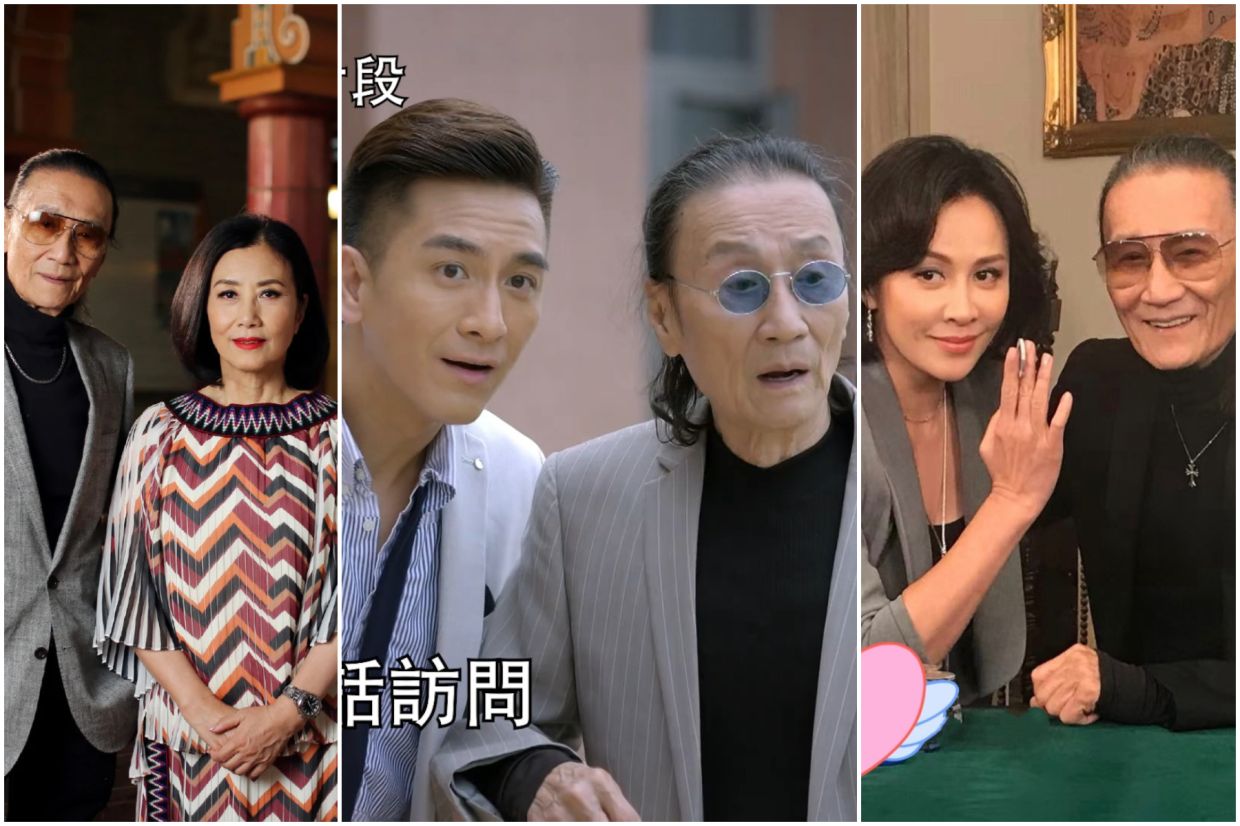
The Hong Kong entertainment industry continues to mourn the loss of Patrick Tse, the revered screen legend known affectionately as Sei Gor (Fourth Brother), who passed away from pneumonia on July 16 at the age of 89. His family announced his death four days later, prompting an outpouring of grief and reflection from colleagues who worked alongside him across decades of Hong Kong cinema and television.
Carina Lau, one of Hong Kong's most celebrated contemporary actresses, shared her memories through Instagram, posting photographs that captured moments with Tse and another image featuring her husband Tony Leung Chiu Wai alongside the late actor. In her message, Lau characterised Tse's existence as embodying the finest qualities of his generation—wit, elegance and an almost effortless grace. She credited him with establishing a remarkable artistic legacy that will continue to inspire future generations of performers and filmmakers working within Hong Kong's vibrant entertainment ecosystem.
Veteran actress Liza Wang, who appeared opposite Tse in numerous TVB dramas throughout her storied career, offered particularly intimate recollections that extended beyond their professional relationship. Wang held a special place in Tse's personal life, serving as godmother to his daughter Jennifer Tse, a connection that deepened the bond between the two performers. During their collaborations on screen, Wang explained that Tse demonstrated genuine care for his co-stars, consistently offering guidance grounded in decades of accumulated experience. She emphasised that their time working together created treasured memories she will preserve throughout her own life, and expressed profound gratitude for his willingness to mentor younger colleagues with such generosity and warmth.
Wang's tribute underscored Tse's status as one of the industry's most genuinely beloved figures, a person whose kindness extended beyond the camera into everyday interactions with fellow professionals. His characteristic radiant smile and impeccable gentlemanly demeanor left an indelible impression on those fortunate enough to share screen time with him. The loss of such a defining presence in Hong Kong entertainment represents not merely the passing of a talented performer, but the departure of a cultural institution who embodied professional standards and personal integrity.
Michelle Ye, who transitioned from her TVB career into broader entertainment work, recalled the significance of their collaboration on a 2005 drama production. She described how Tse's presence during their working relationship addressed an emotional void—the absence of paternal affection she had experienced growing up. This poignant observation reveals how Tse transcended the typical boundaries of professional relationships, offering genuine human connection and mentorship that reached into actors' personal lives and sense of belonging within the industry.
Actor Kenneth Ma, who worked with Tse on director Wong Jing's 2017 TVB drama production, marveled at the veteran performer's remarkable work ethic and physical commitment. Despite his advanced age at the time of filming, Tse refused to compromise on the authenticity of his performance, insisting on executing his own action sequences rather than relying on stunt doubles. Ma recognised this dedication as a powerful example for younger generations of performers, demonstrating that professional excellence and personal integrity need not diminish with advancing years. He also highlighted Tse's playful, engaging personality on set, noting that collaborating with such a seasoned performer created an enjoyable and enriching working environment.
Director Wong Jing, who enjoyed a long relationship with Tse spanning several decades, described the actor in superlative terms as the most dashingly handsome male star in Hong Kong's cinematic history. Their relationship began in 1977 when Wong was a young scriptwriter at TVB, just 22 years old and at the beginning of his career. During their early meetings, Tse would invite Wong for coffee drives in his Mercedes-Benz sports car, using these informal occasions to discuss cinema and the business of entertainment. These conversations proved formative for Wong's own development as a creative professional.
Wong treasured in particular a piece of advice Tse offered during one of their coffee outings, a remark that crystallised the actor's fundamental philosophy about artistic commitment: "Once you're a star for a day, you have to be a star for life." This statement captured Tse's understanding that achieving prominence in entertainment brought with it an implicit contract with audiences and the industry itself—a responsibility to maintain standards, continue developing one's craft, and never allow complacency to erode the excellence that created one's initial success. For Wong, this insight became one of his most cherished memories of his mentor, a touchstone principle that guided his own long career as a director and filmmaker.
The tributes from these diverse figures—actresses, actors, and directors who worked with Tse across different eras and genres—paint a consistent portrait of a performer whose influence extended far beyond the roles he played on screen. Tse embodied an approach to entertainment work that prioritised excellence, generosity toward colleagues, and an understanding that artistic success carried with it obligations to audiences and to the medium itself. His willingness to share knowledge, to challenge himself physically and creatively regardless of age, and to treat co-workers with genuine kindness created a professional environment where younger performers could thrive while learning from genuine mastery.
For Malaysian audiences and Southeast Asian observers of Hong Kong entertainment, Tse's passing represents the conclusion of an era in regional cinema. His career spanned the golden age of Hong Kong film and television production, decades during which the territory established itself as a creative powerhouse that influenced entertainment across the entire region. The principles he embodied—dedication to craft, mentorship of emerging talent, and the maintenance of professional standards—remain relevant as Southeast Asian entertainment industries continue to develop their own sophisticated production capabilities and international reach.
The extensive tributes pouring in from major figures within Hong Kong entertainment underscore Tse's profound impact on multiple generations of performers and filmmakers. His legacy transcends any individual film or television role, residing instead in the values he modeled and transmitted to colleagues, the standards of excellence he maintained throughout his career, and the genuine human decency he extended to those around him. As the entertainment industry grieves his passing, the consistent refrain from those who knew him best suggests that Patrick Tse will be remembered not merely as a talented actor, but as a guiding influence whose approach to his profession and to human relationships established a template worthy of continued respect and emulation.

