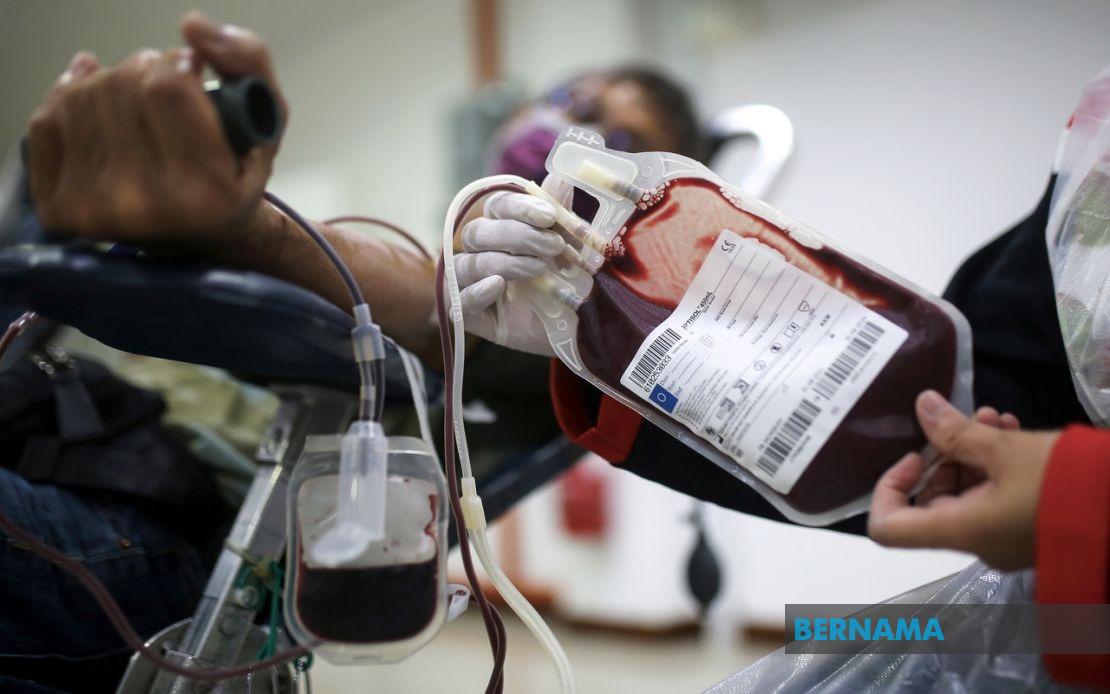
Hospital Sultanah Aminah (HSA) in Johor Bahru has sounded an urgent call for blood donors, specifically targeting individuals with type O and AB blood types as current inventory levels have dropped to concerning levels. The hospital's Transfusion Medicine Department made the appeal public through its official social media channels, highlighting the immediate need to replenish stocks of these two blood types before supplies become critically depleted.
The appeal reflects a broader challenge facing Malaysian healthcare facilities, where maintaining adequate blood supplies remains an ongoing operational concern. Blood shortages can directly impact the hospital's capacity to treat emergency patients, conduct scheduled surgeries, and manage critical cases requiring transfusions. Type O blood, known as the universal donor, is particularly crucial for emergency situations where there is no time to determine a patient's blood type, while AB blood type, though rarer, remains essential for patients who require transfusions but have specific immunological requirements.
To address this shortage, HSA has coordinated with multiple venues across Johor Bahru to facilitate blood donations during extended hours. The Johor Blood Donation Centre at Mid Valley Southkey is operating a three-day campaign starting from today through Sunday, maintaining operating hours from 10 am to 6.30 pm. This venue represents a strategically located site in a major shopping destination, potentially reaching a wider cross-section of the public who may be in the area for other purposes and could spare time for donation.
Parallel donation drives are also being established at AEON Mall Bukit Indah, another high-traffic retail location, which will remain open from 10 am to 3 pm across today, Saturday, and Sunday. This compressed daily schedule suggests the urgency of the situation, with the hospital maximizing weekend participation when more people are likely to have available time. Additionally, HSA's own dedicated Blood Donation Centre will operate today and tomorrow from 8 am to 4.30 pm, providing an alternative for those preferring to donate at the hospital facility itself.
Prospective donors seeking more information about participation opportunities have been directed to consult the Johor Bahru Blood Donation Campaign Schedule page, which provides comprehensive details on all available donation locations and timings. This centralized information resource aims to reduce barriers to donation by offering transparency about where and when residents can contribute. The multi-channel approach demonstrates HSA's recognition that different donors have varying preferences regarding venue comfort, accessibility, and operating hours.
The situation underscores the critical importance of maintaining a robust voluntary blood donor base in Malaysia. Unlike some countries that rely heavily on paid donation systems, Malaysia's blood supply depends substantially on altruistic volunteers who donate without compensation. This model works effectively when public awareness and engagement remain high, but fluctuations in participation can quickly create supply challenges. Seasonal variations, competing activities, and changing lifestyle patterns all influence donation rates throughout the year.
For the Southeast Asian region more broadly, blood supply management represents a shared healthcare challenge. Many countries in the region experience similar pressures, with hospitals frequently launching emergency appeals to address temporary shortages. The COVID-19 pandemic exacerbated these challenges in several nations, disrupting regular donation schedules and creating lasting supply chain complications. Malaysia's ability to mobilize public response through targeted appeals like the HSA campaign reflects lessons learned during this period and demonstrates improved crisis communication protocols within the healthcare system.
Type O and AB blood types present distinct supply challenges. Type O's universal compatibility makes it disproportionately valuable in emergency departments, leading to higher consumption rates relative to its frequency in the general population. Conversely, type AB represents the rarest blood type among Malaysians of most ethnic backgrounds, yet individuals with this type can receive any blood type if needed. The strategic focus on replenishing both types simultaneously addresses different operational pressures within the hospital's transfusion services.
Blood donation itself remains a safe, straightforward procedure that takes approximately 10-15 minutes at the collection centre, though the entire appointment typically requires 30-45 minutes including screening and post-donation refreshment. Most healthy adults aged 18-65 who weigh at least 45 kilograms can donate, with most people able to donate safely multiple times annually. The relatively low barrier to participation suggests that meeting emergency appeals like HSA's depends primarily on public awareness and willingness rather than eligibility restrictions.
Hospitals across Malaysia maintain minimum inventory thresholds to ensure they can respond to emergencies without delay. When supplies fall below these safety levels, elective surgical procedures may face postponement, and blood banks operate under heightened stress. Emergency appeals represent a tool of last resort when routine donor recruitment falls short of demand, indicating that HSA has already exhausted standard replenishment channels and now requires extraordinary public response. The coordinated activation of multiple donation sites simultaneously suggests hospital management has prioritized this shortage as a significant operational issue requiring immediate resolution.

