Yenni Law stands at her workstation in Petaling Jaya's Meat Feds, methodically working through a substantial block of beef. Her knife moves with careful precision through layers of sinew, fat and the silvery connective tissue that characterises secondary cuts, her concentrated expression betraying the technical demands of the task. Law has built her restaurant around these overlooked portions of beef, earning a Malaysia Book of Records citation alongside co-founder Shelly Saw for featuring 20 different secondary cuts on a single menu. Yet even for an accomplished practitioner, the work demands constant refinement. "You really have to practise," she reflects. "Some bits are tricky – sometimes fat looks like sinew, so you really have to be able to identify what is fat and what is sinew."
While Law remains somewhat of a rarity in an industry historically fixated on premium portions, Malaysian restaurants are increasingly recognising the culinary and commercial potential of secondary beef cuts. The shift has been gradual but perceptible, particularly across the Klang Valley's mid-range and high-end dining establishments. This reorientation reflects broader pressures reshaping the regional food business, from global supply chain disruptions to changing consumer sophistication. Malaysia leads Southeast Asia in beef consumption, yet the market has long revolved around a narrow repertoire: striploin, tenderloin and ribeye steaks have dominated menus and justified premium pricing. These celebrated cuts constitute merely eight to ten percent of a carcass, leaving eighty to ninety percent relegated to processing plants where they become minced meat, burgers and sausages—products that obscure their distinct flavour and textural qualities from diners.
Secondary cuts encompass a substantial variety, each offering distinct characteristics. The flat iron derives from the beef shoulder, while flank comes from the lean abdominal muscles. The rump originates from the hindquarters, hanging tender from the diaphragm, and picanha from the top of the rump cap. Chuck primal from the shoulder and neck region provides robust flavour, while outside and inside skirt cuts offer their own textural properties. Despite this diversity, most Malaysians remain unfamiliar with these portions, having encountered them only as processed products rather than as steaks worthy of serious culinary attention.
The momentum shift owes substantially to orchestrated education and promotion campaigns. Organisations including Meat & Livestock Australia, which manages meat standards for Australian and international markets, alongside distributors like Lucky Frozen Sdn Bhd, have organised seminars, demonstrations and tasting events throughout the region. At these gatherings, secondary cuts are presented not as utilitarian alternatives but as lead attractions, served as succulent steaks prepared to rival traditional premium options. This approach has proven remarkably effective in changing perceptions. Law emphasises that she now attends masterclasses led by expert butchers, bringing her entire team to learn proper trimming techniques and validate her own processing methods. "As of late this year, I think there are more restaurants serving secondary cuts because organisations like Meat & Livestock Australia are actively promoting them by holding events and even classes," she observes.
The strategy parallels successful ingredient-introduction campaigns elsewhere. During the 1980s, Norway's fishing ministry orchestrated an intensive push to establish Norwegian salmon in Japan, where chefs initially dismissed it and it played minimal roles in traditional cuisine. Decades later, salmon sushi ranks as Japan's most popular topping. Similarly, deliberate education and positioning can fundamentally reshape ingredient perception and acceptance. Valeska V, Meat & Livestock Australia's regional South-East Asia manager, emphasises that such engagement helps chefs understand the potential beyond conventional premium cuts. "Prime cuts are probably the most tender part of the animal and are relatively simple to prepare, so this makes it easy and attractive to both chefs and consumers," she explains. "But as chefs and consumers become more sophisticated, they might accept something different."
Economic pressures have accelerated this acceptance considerably. Prime beef cuts have experienced approximately thirty percent price increases due to the global oil crisis and worldwide beef scarcity, whilst secondary cuts have risen only ten percent. This disparity has fundamentally altered restaurant economics. Desmond Chong, head chef at woodfire grill restaurant Ignis KL, now features three to four secondary cuts on his menu precisely because they offer substantially better cost structures. "Prime cuts are a bit out of stock now and the price of these cuts has gone up by about 30%, whereas secondary cuts haven't been hit with a huge price increase, like maybe only about 10%, so the situation has forced many chefs to look at secondary cuts," he notes. The economic advantage proves substantial—secondary cuts cost between twenty and sixty percent less than prime options, potentially saving hundreds of ringgit per serving. For both restaurateurs navigating tightening margins and diners facing rising prices, this represents meaningful relief.
Beyond pure economics lies a sustainability argument gaining traction among forward-thinking operators. James See, business development director at meat distributor Lucky Frozen Sdn Bhd, advocates whole-carcass utilisation as a resilience strategy. "I do think that it makes us more resilient to beef inflation in general. We should utilise the whole carcass and find value in other cuts," he contends. This philosophy addresses mounting global beef shortages whilst maintaining Malaysia's established appetite for beef consumption. Rather than retreating from beef-centred menus entirely, restaurants can diversify their offerings across a broader spectrum of cuts, sustaining supply and moderating price exposure.
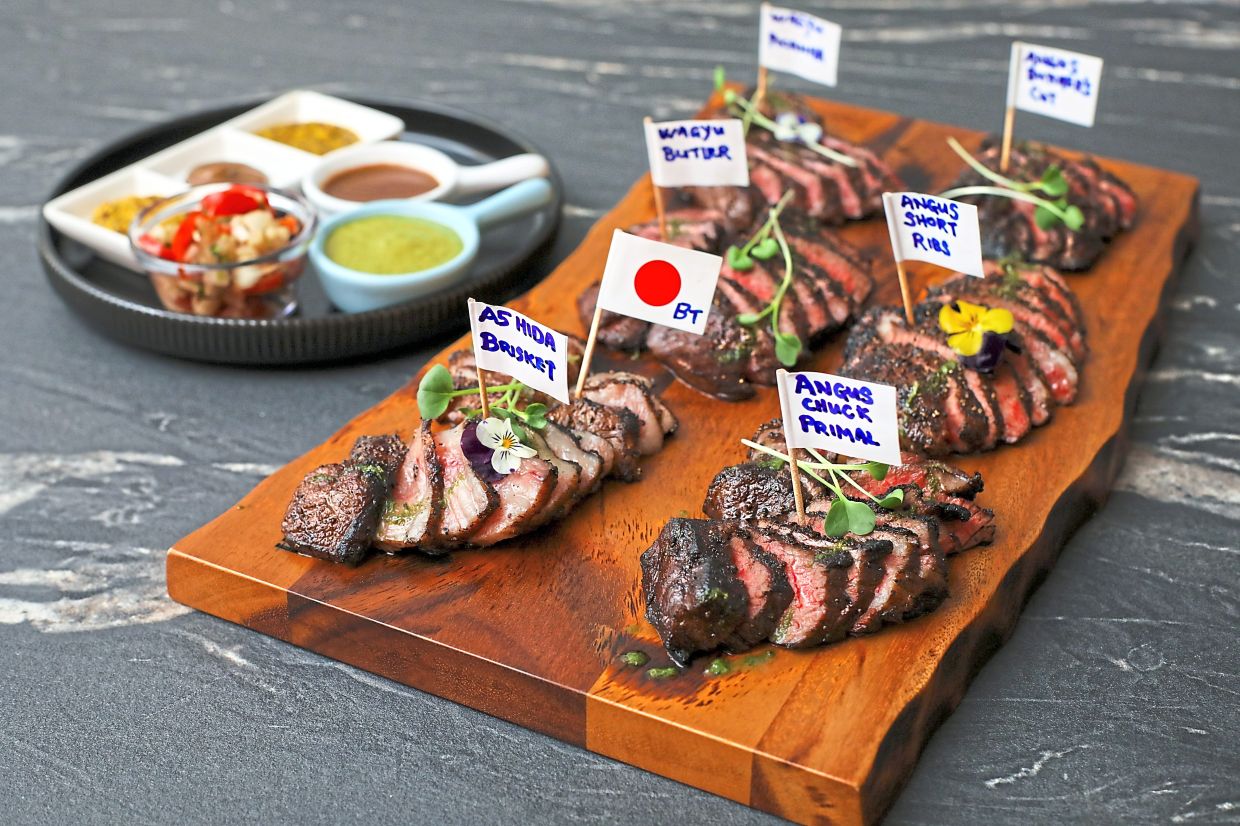
Culinary merit provides another compelling rationale for the transition. Secondary cuts deliver distinctive flavour and textural profiles that premium cuts cannot replicate. At Meat Feds, Law constructs elaborate platters showcasing butcher's cut, chuck primal, brisket, picanha and short rib, each delivering pronounced bovine flavours alongside varying degrees of bite, chew, bounce and tenderness. At Ignis, Chong prepares charcoal-fired short ribs and flat iron steaks with beautifully charred exteriors and silken mouthfeels that rival prime cuts in succulence without approaching their expense. This textural and flavour diversity expands the tasting experience for sophisticated diners increasingly seeking complexity beyond straightforward tenderness.
However, adoption presents genuine technical challenges. Secondary cuts contain substantially more sinew, silver skin and fat than premium portions, demanding extended learning periods. Chefs must develop new skills in identification, trimming and preparation, processes that cannot be rushed through. Law's emphasis on continuous practice underscores this reality—even experienced practitioners recognise that proficiency requires ongoing refinement and attention. The steeper learning curve represents a genuine barrier for restaurants without existing expertise or willingness to invest in staff development. Yet the combination of economic necessity, educational support and emerging culinary reputation suggests that investment increasingly makes business sense.
The transformation underway across Malaysian dining venues reflects broader global trends toward ingredient versatility and waste reduction, adapted to specific regional conditions. Prime beef scarcity and cost pressures have forced innovation, but education campaigns have made that innovation palatable and desirable. As more chefs develop competency with secondary cuts and diners discover their merits, the market will likely continue expanding beyond current concentrations in upmarket establishments. The result may be a more resilient, sustainable and ultimately more interesting beef culture throughout Malaysia and Southeast Asia—one that recognises value not merely in traditional premium options but in the full spectrum of what the animal provides.

