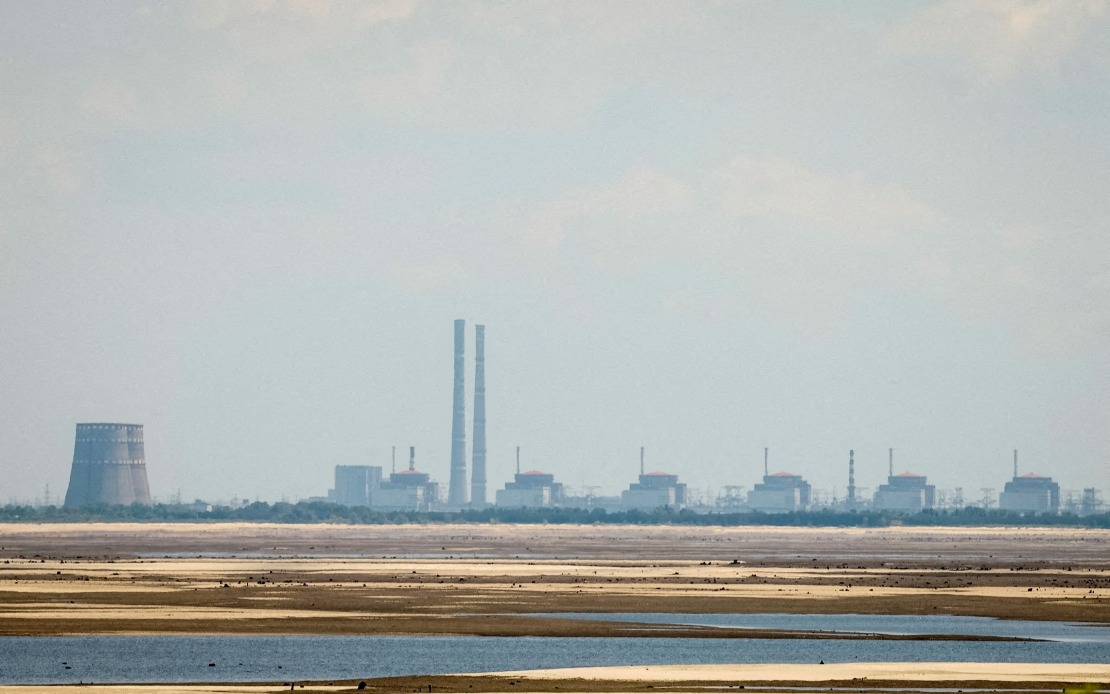
The International Atomic Energy Agency (IAEA) has flagged escalating dangers at Europe's largest nuclear facility after the Zaporizhzhia Nuclear Power Plant experienced another critical loss of external power, marking the twenty-first such incident since the Ukraine crisis intensified. The outage on Friday underscores mounting vulnerability at a strategic asset that has become a flashpoint of international concern throughout the ongoing conflict.
The power disconnection resulted from a severing of the plant's link to the 330 kV Ferosplavna-1 transmission line, which serves as a vital conduit for off-site electricity needed to operate essential safety systems. According to IAEA inspectors stationed at the facility, military operations in the surrounding area triggered protective systems on the transmission infrastructure, causing the automatic shutdown of grid connections. This pattern of disruption has become alarmingly routine, with dozens of incidents documented across multiple months of instability.
When external power vanishes, the plant's reliance shifts entirely to backup mechanisms. The facility's emergency diesel generators activated immediately upon detecting the power loss, maintaining electricity flow to reactor cooling systems and other mission-critical safety infrastructure. These generators are designed as fail-safes to prevent catastrophic scenarios, yet their repeated deployment raises questions about their long-term reliability and fuel sustainability under prolonged operational stress.
RAFAEL GROSSI, the IAEA Director General, has become an increasingly vocal advocate for protecting the facility, describing the recurring power failures as symptomatic of a precarious situation that demands urgent diplomatic intervention. His statement emphasised that the accumulating pattern of disruptions reveals just how delicate the nuclear safety margin has become at Zaporizhzhia, warning that continued military activity near power transmission infrastructure poses an unacceptable risk of accidental catastrophe. The IAEA's mounting frustration reflects broader international anxiety about the potential for a nuclear incident that could affect not only Ukraine but neighbouring countries and the wider region.
The Zaporizhzhia plant's location within a contested territory has made it a persistent vulnerability throughout the conflict. As a facility designed to operate within stable grid systems with redundant power pathways, the plant faces operational challenges for which its designers had no contingency. The repeated severing of transmission lines leaves technicians managing an essentially fortified but isolated reactor complex, dependent on finite fuel reserves for backup power and severely constrained in their ability to conduct routine maintenance or manage cooling systems optimally.
For Malaysian and Southeast Asian observers, the Zaporizhzhia situation carries significance beyond its immediate European context. The incident sequence demonstrates how conventional military operations conducted near nuclear infrastructure can create unintended nuclear hazards, a concern that resonates globally as nuclear energy expansion continues across Asia. The IAEA's inability to guarantee unimpeded access and safe operating conditions at a major international facility illustrates the vulnerability of nuclear infrastructure during periods of geopolitical tension, lessons with particular relevance for regional energy security planning.
The forty-eight-hour period following each power loss represents a heightened vulnerability window. Emergency generators, while functional, operate on finite fuel stocks and cannot indefinitely substitute for stable grid connection. Repeated cycling of these systems accelerates wear on mechanical components, potentially compromising their reliability during subsequent incidents. Technical teams at the facility face the cumulative stress of managing crisis situations with inadequate resources and persistent uncertainty about when next disruptions may occur.
International nuclear safety standards presume a stable external environment and functioning governance structures capable of protecting critical infrastructure. Zaporizhzhia's experience exposes the limitations of these assumptions when applied to conflict zones. The IAEA's inspectors, though present on site, possess limited authority to prevent incidents originating from external military activity and can only document deteriorating conditions and advocate for restraint from all parties involved in the conflict.
The broader implications extend to energy security across Europe and globally. Zaporizhzhia normally contributes approximately twenty percent of Ukraine's electricity supply, and its extended operation under diminished capacity creates cascading effects on the national grid and regional energy markets. Neighbouring countries face potential consequences ranging from electricity price volatility to concerns about radiation release should a genuine accident occur, intensifying diplomatic pressure for resolution of the underlying conflict.
Efforts to establish demilitarised zones or mechanisms ensuring unimpeded power supply have faced repeated setbacks, reflecting the intractable nature of the underlying territorial dispute. The IAEA's appeals for maximum military restraint represent essentially a plea for actors to acknowledge that operational control over nuclear infrastructure carries responsibilities that transcend conventional military objectives. Without binding agreements and verification mechanisms ensuring protection of transmission lines and the facility itself, Zaporizhzhia remains in a state of perpetual crisis, vulnerable to escalation through either deliberate targeting or accidental destruction of power infrastructure.
The incident sequence at Zaporizhzhia has reverberated through global nuclear policy discussions, with nations reassessing assumptions about infrastructure resilience during instability. For countries evaluating nuclear expansion, including those in Southeast Asia, the Ukraine experience provides cautionary evidence about the importance of siting reactors in geopolitically stable regions and establishing robust redundancy in power supply networks that exceeds conventional peacetime requirements.

