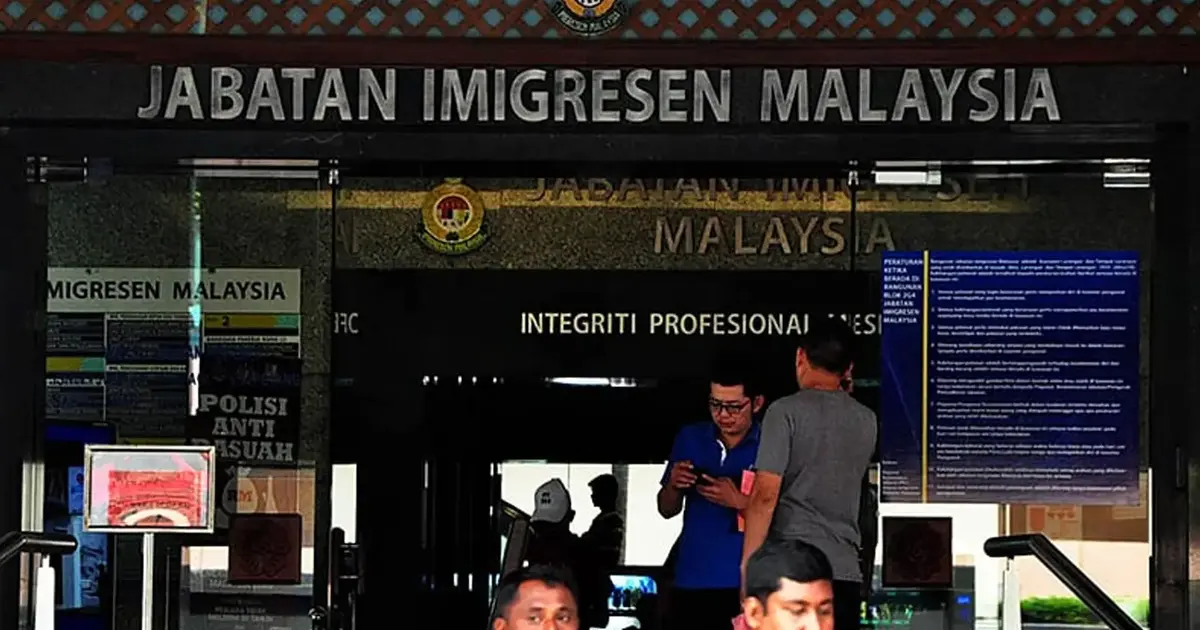
Eleven officers from the Immigration Department have been arrested on suspicion of orchestrating a coordinated breach of the MyIMMs system, authorities revealed, with the department's director-general asserting that investigators pinpointed those responsible within the earliest stages of the inquiry. The alleged conspiracy centred on manipulating the system to process unauthorised applications and approvals for permanent resident status, commonly known as PLKS, representing a significant vulnerability in one of Malaysia's most critical immigration databases.
The swift identification of suspects, according to the immigration chief's statement, suggests the breach was not the result of external hackers penetrating system defences but rather an internal compromise involving officers positioned within the department itself. This distinction carries substantial implications for national security assessments and the vulnerability profile of Malaysia's digital infrastructure. Internal threats to government databases often prove more challenging to detect and prevent than external cyberattacks, given the legitimate system access such individuals already possess.
The MyIMMs platform serves as the backbone of Malaysia's immigration administration, processing visa applications, monitoring border movements, and maintaining records for the nation's residency and citizenship programmes. A compromise affecting PLKS approvals is particularly sensitive, as permanent resident status grants extended stays and heightened privileges within the country. The ability to circumvent normal approval protocols could theoretically enable the creation of fraudulent residency records, complicating national security screening and border management operations.
The allegation of conspiracy indicates this was not a case of isolated misconduct by a single actor but rather a coordinated effort spanning multiple officers. Such coordination raises questions about how the scheme operated without detection across departmental oversight mechanisms and what safeguards failed to prevent or identify the activity earlier. It also suggests possible financial motivation, as such breaches typically involve payments from applicants seeking to bypass legitimate processing channels.
Permanent resident status in Malaysia carries both immigration and security implications, as holders gain extended stay rights and may access certain government services available to long-term residents. Unauthorised approvals could theoretically have allowed ineligible applicants to obtain such status, potentially circumventing security vetting procedures normally conducted during the application assessment process. The scale of such fraudulent approvals, should they have been processed successfully, remains unclear from initial statements.
The investigation's rapid identification of suspects may also reflect the department's improved forensic capabilities in detecting database anomalies and tracing transactions back to specific user accounts. Modern government systems typically maintain detailed audit logs recording which users accessed or modified data and when such actions occurred. These digital fingerprints, combined with traditional investigative techniques, likely enabled authorities to connect the unauthorised system activity to the arrested officers.
The timing of the breach discovery and subsequent arrests has not been fully disclosed, but the immigration chief's claim of immediate identification suggests the incident may have been detected through routine system monitoring or perhaps flagged by departmental staff during normal processing workflows. Alternatively, a whistleblower report or external tip could have accelerated suspect identification, though such details remain undisclosed at this stage.
For Malaysian citizens and legitimate immigration applicants, the breach underscores the potential risks inherent in centralised database systems when staff security protocols prove insufficient. The incident may trigger broader review of access controls, approval authority segregation, and oversight mechanisms across the Immigration Department. International experience suggests such breaches often prompt implementation of enhanced verification procedures and dual-approval requirements for sensitive functions like permanent residency grants.
The broader context of cybersecurity in Malaysian government extends beyond this specific incident. Immigration databases hold sensitive personal information and facilitate critical national functions including border security and foreign national vetting. Previous incidents affecting government digital systems have highlighted the need for continuous investment in security architecture, staff training, and detection mechanisms. The identification of internal threat vectors in this case reinforces the importance of monitoring not just external attack vectors but equally the activities of authorised system users.
Stakeholders in Malaysia's immigration ecosystem, including travel agencies, legal practitioners, and businesses relying on PLKS approvals, may face temporary service disruptions pending the resolution of investigations and implementation of enhanced controls. The department has likely implemented additional scrutiny of recent PLKS approvals to identify and potentially invalidate any granted through improper channels. Such remedial actions, while necessary, will inevitably slow legitimate processing during the verification phase.
The arrests signal the department's commitment to pursuing internal accountability, though observers will monitor whether investigations extend to identifying all beneficiaries of fraudulent approvals and examining the financial transactions allegedly underlying the conspiracy. The scope of detected irregularities and the number of improper PLKS approvals processed remain critical unknowns that will clarify the full extent of the breach's impact on immigration system integrity.

