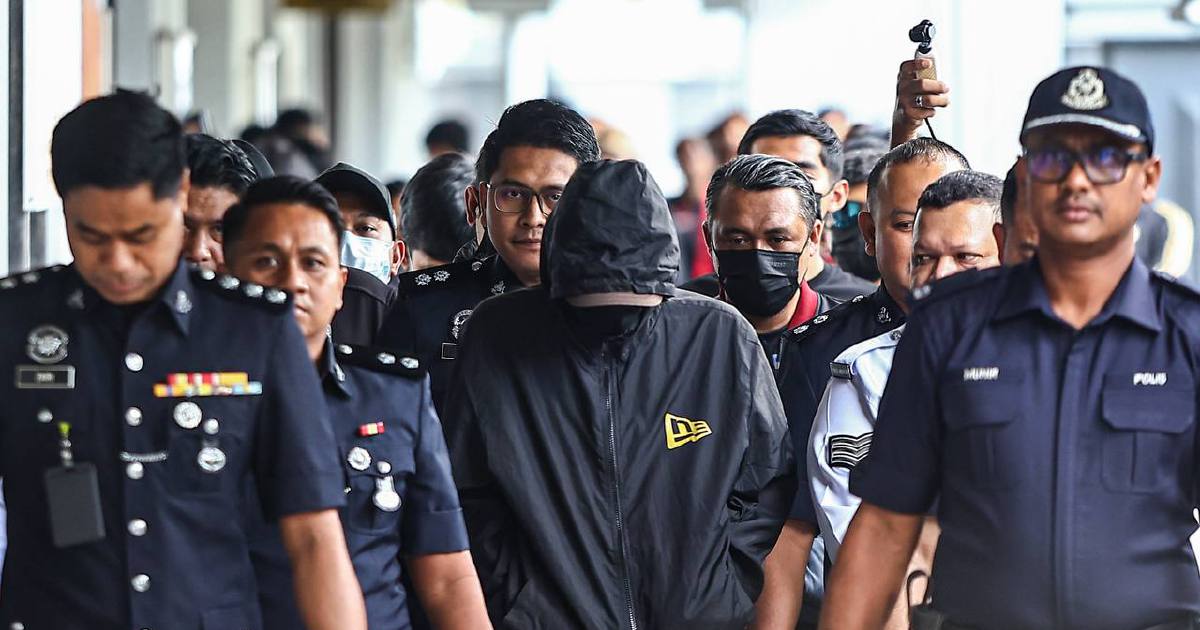
The Immigration Department came under public scrutiny today as one of its lorry drivers faced trial on five separate charges stemming from a catastrophic traffic incident at Maju Junction. The driver appeared before magistrate court authorities in Kuala Lumpur to enter pleas on charges centred around yesterday's fatal motor accident, marking the beginning of what promises to be a closely watched legal proceeding involving a government agency vehicle.
Three charges of causing death by reckless or dangerous driving form the core of the prosecution's case, with each count tied to the deaths of individual family members killed in the collision. The gravity of these charges reflects the severity of the incident, as causing death through dangerous driving represents one of the more serious road traffic offences within Malaysia's legal framework. Such charges carry substantial prison sentences and driving disqualification orders upon conviction, underscoring the magnitude of potential consequences the driver faces.
The remaining two charges against the driver remain part of the court record, though the precise details of these additional counts were not immediately elaborated. This multi-count approach by prosecutors suggests they are pursuing a comprehensive case that extends beyond the fatal collision itself, potentially encompassing other traffic violations or breaches of road safety regulations discovered during investigation.
The incident occurred at Maju Junction, a major traffic intersection in the Klang Valley metropolitan area, yesterday. The collision between the government lorry and the private vehicle resulted in the death of three individuals from the same household, a tragic outcome that has resonated through the local community and raised concerns about road safety at the busy intersection. Maju Junction has long been a critical transport nexus handling substantial vehicle volumes daily, making any serious accident there a matter of public interest.
The involvement of an Immigration Department vehicle in a fatal accident inevitably draws heightened attention to government agency operations and the training standards imposed on drivers of official vehicles. The public expects government departments to maintain exemplary safety records, and incidents involving official vehicles frequently trigger broader discussions about institutional accountability and oversight mechanisms. This case serves as a reminder that government agencies must be held to equivalent safety standards as private citizens.
The driver's decision to claim trial rather than enter guilty pleas indicates he contests at least some aspects of the charges against him. The phrase "claim trial" signals that the magistrate court will proceed to hear evidence from both the prosecution and defence, with the court ultimately determining guilt or innocence based on the evidence presented. This pathway guarantees a full judicial examination of the circumstances surrounding the collision.
Malaysia's road safety record has been a persistent concern for policymakers and enforcement agencies. Fatal traffic accidents claim thousands of lives annually across the nation, with dangerous driving, excessive speed, and inattention identified as primary contributing factors. Every road death represents not only a personal tragedy for affected families but also significant costs to the healthcare system and broader society. Cases involving government vehicles carry added weight because they influence public perception of institutional responsibility and duty of care.
The court proceedings ahead will require authorities to present comprehensive evidence regarding the collision's cause, including potentially accident scene investigations, vehicle condition reports, witness statements, and expert analysis of traffic flow and visibility conditions at Maju Junction. The defence will have opportunity to challenge the prosecution's evidence and present alternative explanations for the incident. Medical evidence confirming the cause of death for each victim will also feature prominently in proceedings.
This incident underscores the importance of rigorous driver training and ongoing competency assessments for operators of heavy vehicles, particularly those employed by government agencies that operate in high-traffic urban environments. The Insurance Institute for Highway Safety and similar bodies have consistently demonstrated that driver behaviour and vehicle maintenance directly correlate with accident prevention. Given the scale of government vehicle operations across Malaysia, institutional learning from such incidents becomes crucial for preventing future tragedies.
The legal process now entering its evidence-gathering stage will likely extend over several court sessions as both sides present their cases. The magistrate must be satisfied beyond reasonable doubt of the charges before convicting, a standard that requires thorough examination of all circumstances surrounding the collision. Meanwhile, the three individuals who lost their lives in yesterday's incident remain central to these proceedings, their memories linked inseparably to the legal machinery now set in motion.
For Malaysian road users, this case represents a sobering reminder of the devastating consequences that can result from momentary lapses in vehicle operation or judgment behind the wheel. Whether the driver is ultimately found guilty or acquitted, the tragedy it produced cannot be reversed, leaving families grieving and communities questioning how such incidents can be prevented in future.

