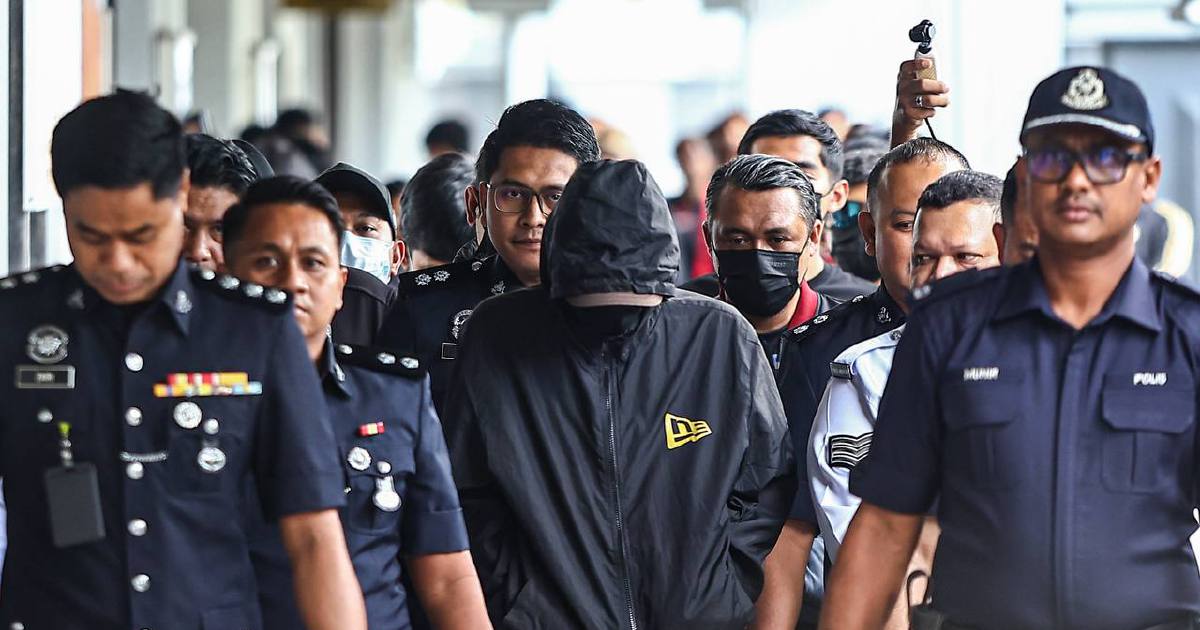
A lorry driver employed by Malaysia's Immigration Department appeared in magistrates' court in Kuala Lumpur today to answer five serious charges stemming from a devastating traffic collision that occurred at the Maju Junction intersection along Jalan Sultan Ismail. The driver has elected to proceed with trial on three counts of causing death by reckless or dangerous driving, along with additional charges relating to the incident that claimed the lives of three family members. The fatal crash, which took place on the previous day, has sent shockwaves through the capital and renewed concerns about road safety on major thoroughfares frequented by both commuters and commercial vehicles.
The Maju Junction area, located on one of Kuala Lumpur's busier arterial roads, serves as a critical intersection linking multiple traffic corridors in the city. Incidents at such junctures often result in severe consequences due to the convergence of multiple traffic streams and the high speeds frequently maintained by drivers navigating these routes. The collision at this location underscores the vulnerability of motorists using major urban intersections, particularly during peak hours when traffic volumes surge and concentration lapses become more likely to have catastrophic outcomes.
The Immigration Department's involvement in this incident, given that the vehicle involved belonged to a government entity, adds an institutional dimension to the case. Government fleets, which operate extensively across Malaysian cities for official duties, are subject to maintenance standards and driver conduct policies that are theoretically more rigorous than those governing privately-owned commercial vehicles. The involvement of a state agency has therefore prompted broader questions about oversight mechanisms and whether departmental protocols around vehicle operation and driver training may require strengthening across the public sector.
Causes of major road accidents involving heavy vehicles typically centre on factors such as brake failure, driver fatigue, speed management, and operator error. In urban environments like Kuala Lumpur, the operation of substantial commercial lorries adds complexity to traffic management, as these vehicles require significantly greater stopping distances and possess considerable blind spots that can obscure smaller vehicles. The identification of specific causal factors in this instance will be critical not only for the legal proceedings but also for identifying systemic improvements to accident prevention strategies.
The loss of three family members in a single incident represents a profound human tragedy that extends far beyond the legal and administrative aspects of the case. Such incidents devastate extended family networks and often trigger broader community discussions about road behaviour, vehicle maintenance responsibilities, and the inherent risks of urban mobility. In Malaysia, where road fatality rates have periodically ranked among the highest in the region, each major collision serves as a grim reminder of the consequences when safety protocols fail or human judgment lapses.
The court proceedings ahead will examine the circumstances leading to the crash in considerable detail. Evidence gathering by traffic authorities, vehicle condition inspections, and witness testimony will all contribute to establishing liability and determining whether the charges of dangerous or reckless driving can be substantiated. The distinction between reckless and dangerous driving carries significant legal implications, as courts must determine whether the driver's actions represented a gross departure from acceptable standards of driving conduct.
From a regulatory perspective, this incident may accelerate reviews of driver licensing standards, vehicle inspection protocols, and possibly the introduction of enhanced safety measures for commercial vehicles operating within congested urban zones. Malaysia's Road Transport Department and associated agencies periodically review enforcement strategies in response to high-profile accidents, and this collision will likely feature prominently in discussions about preventing similar tragedies.
The broader Southeast Asian context is relevant here, as several nations in the region have experienced surges in road fatalities linked to rapid motorization, urbanization, and inconsistent enforcement of traffic regulations. Malaysia's experience with fatal accidents involving commercial vehicles provides valuable case studies for regional peers attempting to balance economic transportation needs with pedestrian and driver safety imperatives.
For the families affected, the court process represents both a search for accountability and a mechanism for understanding how their loss might have been prevented. Many jurisdictions have found that comprehensive accident investigations yield insights that extend beyond individual culpability to encompass systemic weaknesses in vehicle maintenance, driver fatigue management, and infrastructure design. These broader findings often inform policy reforms that benefit road users across entire populations.
The coming trial will determine whether the Immigration Department driver bears criminal responsibility for the deaths and what penalties, if any, should apply. Simultaneously, the case serves as a catalyst for wider discussions within Malaysia about the true costs of inadequate road safety measures and the importance of maintaining rigorous standards across both private and government vehicle operations. The outcome may influence how similar cases are prosecuted and how future road safety initiatives are designed and implemented.

