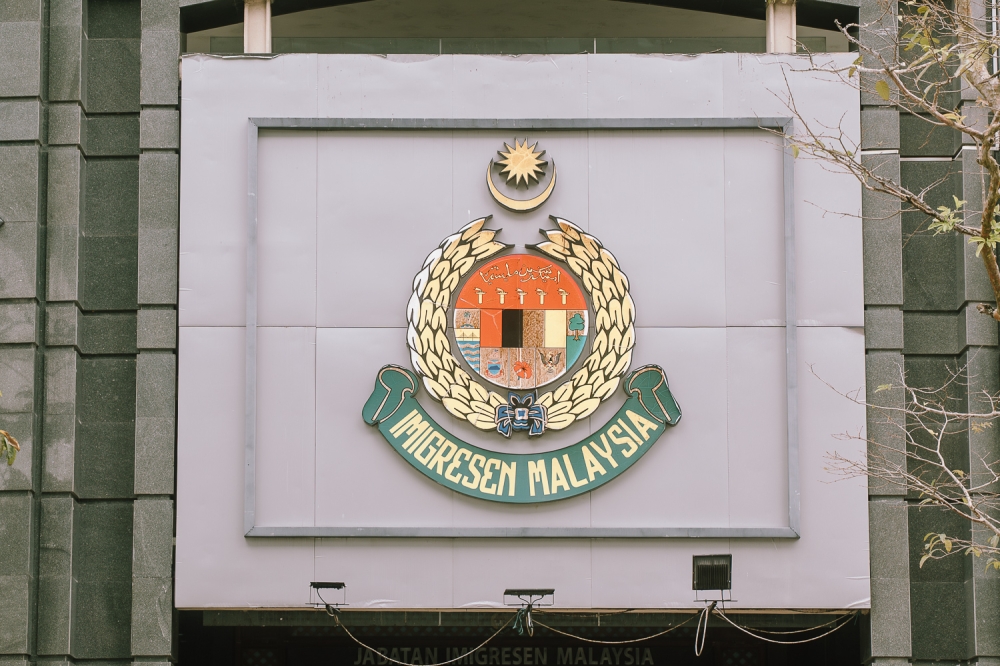
The Malaysian Immigration Department conducted a series of targeted operations across Kuala Lumpur that culminated in the detention of three Indonesian nationals suspected of orchestrating a widespread document forgery scheme. The enforcement action, carried out on August 5, represents a significant success in efforts to combat transnational identity fraud networks operating within Malaysia's borders. During the raids, investigators recovered 119 forged passports, along with equipment and materials believed to have been used in their production, dismantling what authorities characterize as a well-coordinated criminal enterprise.
Document forgery remains a persistent challenge for Southeast Asian immigration authorities, particularly in major urban centres where demand for fraudulent travel documents fuels organised crime networks. The scale of this operation—with more than a hundred forged passports recovered—indicates the sophistication and reach of the syndicate before its exposure. Such networks typically target migrants seeking to circumvent standard immigration procedures, offering illegal shortcuts that expose both users and host countries to security vulnerabilities. The incident underscores the vulnerability of travel document systems to determined criminal actors, even as technology advances.
The arrest of the three suspected ringleaders marks a turning point in what investigators believe was an expanding operation. By targeting the suppliers and manufacturers rather than individual end-users, Malaysian authorities have adopted a more effective enforcement strategy that addresses root causes rather than symptoms. This approach aligns with regional cooperation frameworks that emphasise dismantling criminal supply chains rather than pursuing isolated cases. The identification and apprehension of key operatives should disrupt the syndicate's ability to produce and distribute forged documents across the country.
Passport forgery schemes carry particular significance for Malaysia given the country's position as a major destination for migrant workers and international travellers. Fraudulent documents undermine border security, facilitate human trafficking, and create complications for legitimate visa processing. When thousands of workers seek employment opportunities annually, criminal networks exploit regulatory gaps to offer illegal alternatives. The proliferation of counterfeit travel documents can destabilise regional migration systems and create diplomatic friction between countries when their citizens are implicated in document fraud.
The operational scale revealed by the raids suggests this was not a small-time operation confined to isolated transactions. The recovery of specialised equipment alongside the forged passports indicates a manufacturing capability rather than simple document alteration. Such facilities require technical expertise, access to security features and materials, and established distribution networks—elements that point to an organised criminal infrastructure rather than opportunistic fraud. The involvement of three suspects suggests a hierarchical operation with different roles in procurement, production, and distribution.
Indonesian nationals comprise a substantial portion of Malaysia's migrant workforce, with many seeking legitimate employment across construction, domestic work, and manufacturing sectors. The involvement of Indonesian suspects in this forgery ring inevitably raises questions about recruitment patterns and how criminal networks target their own compatriots. Understanding these dynamics is crucial for both Malaysian and Indonesian authorities as they develop countermeasures. Bilateral cooperation between the two countries' law enforcement agencies becomes essential when criminal enterprises operate across shared borders.
The Malaysian Immigration Department's capacity to detect and dismantle this operation reflects ongoing investments in border security infrastructure and intelligence gathering. Regular raids, coupled with enhanced document verification protocols, have increased the risk for forgers operating domestically. However, the very fact that such an extensive operation existed before detection suggests that illicit networks continue to identify and exploit gaps in enforcement. Maintaining pressure on these criminal enterprises requires sustained commitment, adequate resourcing, and inter-agency coordination.
The broader implications extend beyond immediate law enforcement success. Document forgery syndicates operate within ecosystems that include corrupt officials, unscrupulous agents, and transnational criminal networks. Prosecuting the three detained individuals will test Malaysia's legal framework for handling sophisticated document fraud cases, potentially yielding precedents that guide future enforcement. Investigations may reveal upstream and downstream connections to larger criminal organisations, offering investigators intelligence for targeting broader networks.
Regional authorities across Southeast Asia increasingly recognise passport forgery as a transnational threat requiring coordinated responses. Information sharing agreements, joint training initiatives, and harmonised standards for document security strengthen the region's ability to combat these crimes. This operation demonstrates that individual countries can achieve meaningful results through focused enforcement, but sustained regional cooperation amplifies impact. The case will likely feature in future discussions about immigration security within ASEAN forums.
Looking forward, the seizure of 119 forged passports prevents their circulation into migration channels where they would have compromised border security across multiple jurisdictions. Each forged document represented potential security risks and fraudulent entries. By acting decisively, Malaysian immigration authorities have protected legitimate migration pathways and maintained system integrity. However, the existence of this operation reminds officials that criminal innovation continues, requiring constant vigilance and adaptation of detection methods to stay ahead of evolving forgery techniques.

