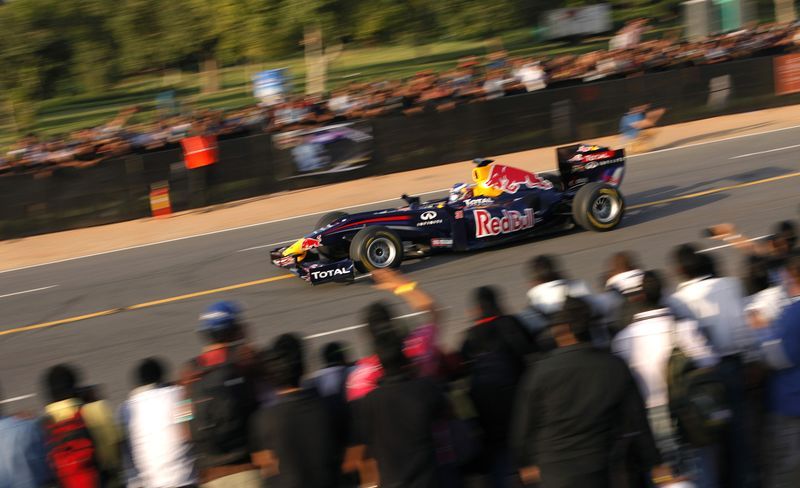
India's government is making a coordinated push to resurrect Formula One racing at the Buddh International Circuit on the outskirts of New Delhi by 2028, signalling a serious attempt to resolve the financial and bureaucratic issues that ended the country's previous involvement with the sport over a decade ago. The initiative represents a significant shift in India's motorsports ambitions, bringing together the country's political leadership, major industrial players, and sports regulators in a unified effort to unlock the barriers that have long prevented the sport's return.
The Indian Grand Prix had a troubled history on the international stage. Launched in 2011 with considerable fanfare and investment, the race generated initial excitement but collapsed after just three editions when a combination of regulatory disputes and taxation disagreements with Formula One's operators made continued hosting economically unviable. The sudden withdrawal in 2013 left India's motorsports ecosystem diminished and highlighted the nation's struggle to navigate the complex financial arrangements required to stage world-class international sporting events.
Sports Minister Mansukh Mandaviya has taken direct charge of reviving the initiative, recently convening meetings with key stakeholders to chart a path forward. The Adani Group, one of India's largest infrastructure and logistics conglomerates, has emerged as the primary actor willing to take on operational responsibility. The company is in the process of acquiring control of the track facility, signalling genuine corporate commitment beyond mere expressions of interest. Karan Adani, Managing Director of Adani Ports & Special Economic Zone Ltd, has publicly stated his personal engagement in bringing the sport back, adding weight to institutional backing that extends to the highest levels of the business group.
Recognizing that previous attempts stumbled primarily on taxation and regulatory complications, the government has established a dedicated task force specifically empowered to dismantle these obstacles. The panel's mandate extends beyond Formula One alone, encompassing the broader health of India's motorsports sector, which has struggled under administrative burdens that deter international promoters and investors. By creating a formal inter-ministerial coordination mechanism, New Delhi is acknowledging that no single agency can unilaterally resolve the interconnected financial and legal challenges that frustrated negotiations a decade earlier.
The task force's composition reflects the complexity of the problem. Representatives from India's tax authorities will sit alongside officials from the motorsports federation, infrastructure specialists, and policy experts from the government's apex think tank. This approach signals an understanding that resurrecting Formula One requires harmonizing fiscal policy, regulatory frameworks, infrastructure standards, and sporting governance in ways that satisfy both international commercial requirements and Indian national priorities. The explicit inclusion of tax authorities suggests that previous disputes over treatment of race revenues, equipment imports, and foreign payments will be central to negotiations.
Formula One's international leadership remains cautiously optimistic but realistic about the timeline. Chief executive Stefano Domenicali confirmed the sport's substantial interest in returning to India during recent discussions with broadcasters, yet tempered expectations by emphasizing that significant preparatory work remains outstanding. His comments underscore that Formula One operates within strict commercial requirements and cannot simply resume operations whenever a host nation announces readiness. The sport's return depends not only on governmental goodwill but on identification of suitable promoters capable of managing the event's massive logistical and financial demands.
The 2028 target date offers India approximately four years to resolve outstanding issues, a relatively compressed timeframe given the complexity of negotiations between international commercial entities, Indian regulatory agencies, and state authorities. This schedule implies that preliminary agreements on taxation treatment and operational frameworks should crystallize within the next 12 to 18 months. Such a pace would require sustained political momentum and bureaucratic efficiency that previous Indian motorsports initiatives have occasionally struggled to maintain.
For Southeast Asia and the broader Asian motorsports region, India's renewed commitment carries implications beyond national sporting pride. A successful Formula One revival would reinforce Asia's growing prominence in international motorsports and signal that large Asian economies can overcome administrative barriers to hosting premium global events. Conversely, failure would reinforce perceptions that Asian venues face particular difficulties in accommodating the sport's commercial and operational requirements, potentially affecting prospects for motorsports development throughout the region.
The Adani Group's involvement brings corporate resources and infrastructure expertise that earlier efforts lacked. The company's extensive experience in port operations, special economic zones, and managing complex regulatory environments positions it differently than previous track operators. This experience base suggests that negotiations might progress more smoothly, as Adani understands how to navigate Indian bureaucracy while maintaining international commercial standards. However, the company's public profile in certain international circles may also introduce sensitivities that require careful management during negotiations with Formula One's global stakeholders.
The broader significance of this renewed initiative lies in what it reveals about India's evolving approach to hosting marquee international sporting events. Rather than pursuing one-off events, New Delhi is now constructing institutional frameworks and policies designed to create sustainable ecosystems for premium sports. The task force's mandate to address systemic taxation and regulatory issues affecting all motorsports, not merely Formula One, suggests policymakers recognize that the sport's return requires structural economic reform that could benefit India's entire sporting infrastructure sector. This approach represents maturation in how India conceptualizes its role in global sports diplomacy.
Successfully attracting Formula One back to India by 2028 would represent a significant diplomatic and economic achievement, demonstrating that previous failures were surmountable obstacles rather than permanent impediments. The timeline also coincides with Formula One's broader expansion into Asian markets, as the sport seeks to deepen its presence beyond traditional European strongholds. India's massive population, growing automotive industry, and increasing wealth concentration among consumer classes make it inherently attractive to Formula One's commercial interests, provided governmental frameworks become sufficiently accommodating.

