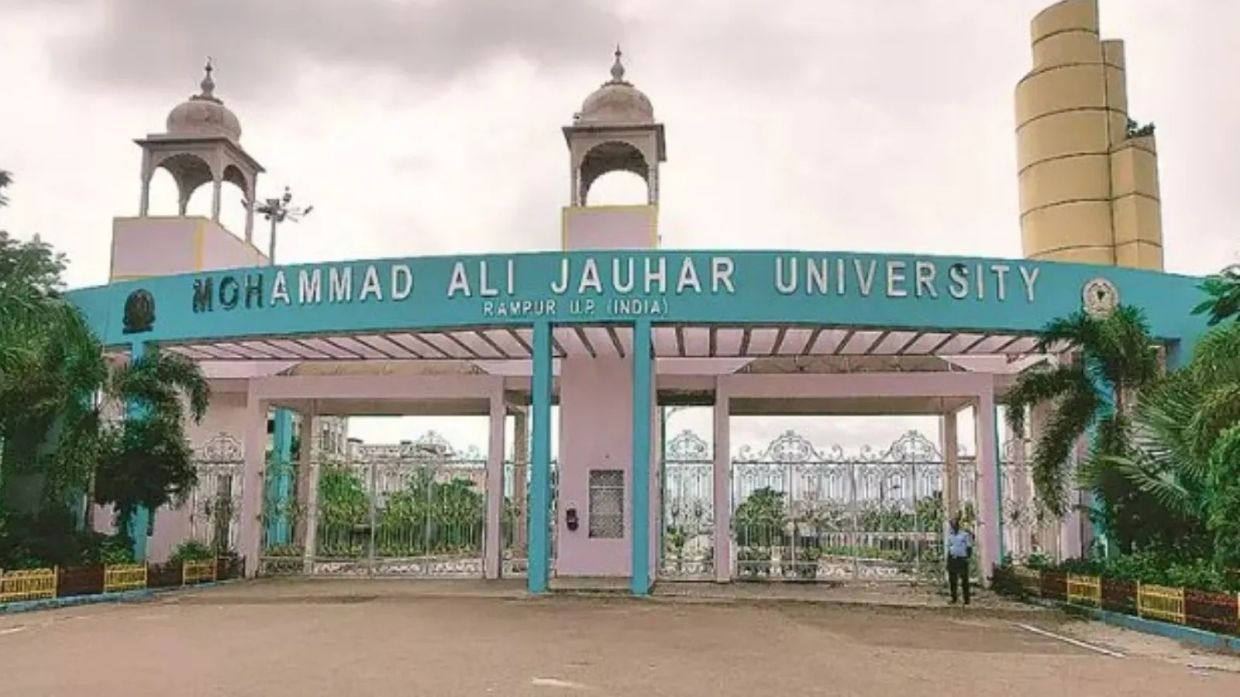
The Rampur Development Authority has issued a sweeping demolition order targeting most of the physical infrastructure at Mohammad Ali Jauhar University in Uttar Pradesh, one of India's northern states. The directive, handed down on Wednesday, affects 38 of the 40 structures erected across the institution's sprawling 250-acre campus, with local media citing unauthorised construction as the stated reason for the action.
Mohammad Ali Jauhar University, established in 2006, is named after a pivotal figure in India's struggle for independence. The institution was founded by Azam Khan, a seasoned political operator within Indian electoral politics and a former minister in the state government. Khan has cultivated a reputation as a formidable public speaker and influential community leader throughout his career, attributes that have sustained his political prominence across multiple election cycles.
Khan's political affiliation lies with the Samajwadi Party, a regional political force that controlled Uttar Pradesh's government during the 2012-2017 period. The party's governance ended when the Bharatiya Janata Party swept to victory in state elections, fundamentally reshaping the political landscape of one of India's most populous regions. This electoral shift set the stage for subsequent developments affecting Khan and his family.
The founder's current circumstances reflect a dramatic reversal in his political fortunes. Both Azam Khan and his son Abdullah are currently incarcerated following a court conviction in a case involving forged documentation. Khan's wife, Tazeen Fatima, experienced a similar legal ordeal after being detained in connection with a birth certificate matter, though she has since secured bail pending further legal proceedings.
The family's legal troubles extend well beyond individual cases. They have navigated numerous court proceedings across multiple jurisdictions, creating an exhausting pattern of litigation. The Khan family has consistently maintained that these prosecutions represent a coordinated political vendetta rather than impartial application of law. This narrative reflects a broader dynamic within Indian politics, where opposition figures frequently contend that legal systems become weaponised during transitions of political power.
The demolition order against the university raises complex questions about institutional autonomy and the potential for political pressure to manifest through regulatory mechanisms. In Indian governance structures, development authorities possess considerable discretionary power over construction standards and enforcement procedures. The timing of this directive—coinciding with the family's legal imprisonment—invites scrutiny regarding whether regulatory action follows established bureaucratic procedures or responds to political imperatives.
For Malaysian observers, this episode illustrates how educational institutions in South Asia can become caught in broader political conflicts. Universities in the region frequently face scrutiny when their founders or major donors experience changes in political fortune. The construction violations cited by authorities may indeed reflect genuine regulatory breaches, yet the concentrated focus on this particular institution warrants contextual examination within the existing pattern of legal action against the Khan family.
The potential demolition would represent a significant institutional disruption. A 250-acre campus requires substantial built infrastructure to function as an educational facility. Removing 38 of 40 structures would effectively render normal university operations impossible, affecting current students, faculty, and staff. This practical reality underscores the consequences extending far beyond enforcement of building codes.
Uttar Pradesh politics has been particularly contentious since the BJP's 2017 electoral victory. The state government has pursued an aggressive enforcement agenda against opposition figures and institutions associated with previous administrations. While individual legal cases may rest on legitimate evidence, the cumulative effect creates an environment where political opponents face mounting institutional pressure through multiple simultaneous channels—criminal prosecution, asset seizure, administrative enforcement, and regulatory action.
The international dimensions merit consideration for Southeast Asian policymakers observing Indian federalism. This situation demonstrates how state-level governments can exercise regulatory authority to achieve political objectives when central oversight remains limited. The interplay between development authorities, courts, and elected officials reveals institutional vulnerabilities that persist across multiple South Asian democracies.
Malaysia's own experience with politically motivated enforcement has generated sensitivity to these dynamics. While maintaining distinct constitutional and institutional frameworks, Malaysian political observers recognise patterns where regulatory mechanisms become venues for political competition. The Mohammad Ali Jauhar University case exemplifies how educational institutions become collateral damage in broader political struggles.
The resolution of this demolition order remains uncertain. The university could pursue legal challenges through appellate processes, regulatory authorities might reconsider their position, or the order could proceed as issued. Each outcome carries implications for institutional governance, educational access, and the relationship between political power and regulatory enforcement in Uttar Pradesh's evolving political economy. The case continues the broader narrative of contestation surrounding opposition figures in India's most heavily populated state.

