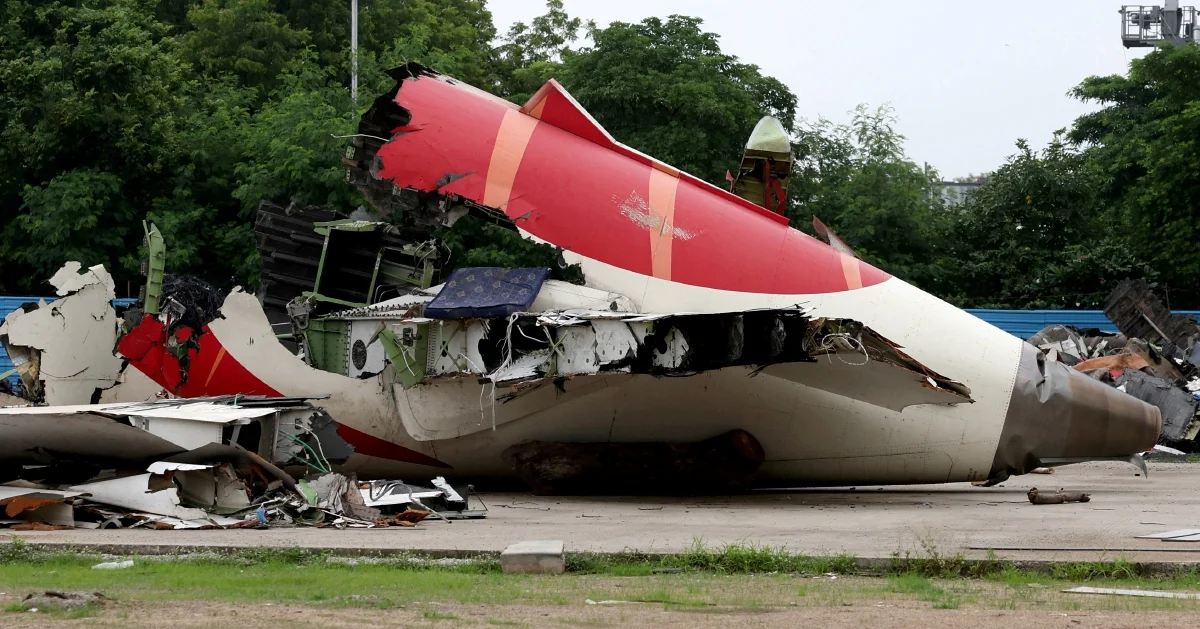
India's accident investigation authority has substantially progressed its examination of last year's Air India aircraft disaster, with crucial investigative components now complete. Court documents reveal that the investigating body has finalised transcripts from the cockpit voice recorder, conducted a comprehensive psychological autopsy, and transitioned the inquiry into its concluding phase. This advancement signals a move toward eventual findings that may illuminate the circumstances surrounding the fatal accident.
The completion of cockpit voice recorder analysis represents a critical juncture in aviation safety investigations globally. These recordings capture the final moments of communication between crew members and air traffic control, often providing essential insights into crew decisions, environmental conditions, and technical circumstances preceding an accident. For Malaysian and Southeast Asian aviation safety authorities, developments from major investigations within the region carry direct relevance, particularly regarding protocols, training standards, and cockpit resource management practices that may influence regional airline operations.
Psychological autopsy procedures have become increasingly standard in comprehensive aircraft accident investigations. This investigative approach examines potential psychological or medical factors that may have influenced crew performance immediately before or during the critical incident. By systematically reviewing available evidence regarding the mental state and health conditions of flight crew members, investigators can rule out or substantiate psychological contributing factors. The inclusion of such analysis in India's probe reflects contemporary best practices in accident investigation, emphasising a holistic understanding of human factors alongside technical and operational elements.
The transition to final investigative stages typically involves synthesising findings from multiple concurrent examinations. Technical specialists have likely completed assessments of aircraft systems, maintenance records, and structural integrity. Meteorological data has presumably been analysed to understand atmospheric conditions at the time of the accident. Coordination with international partners—which India's aviation authority maintains with other countries' investigation bureaus—may have provided comparative data and expert consultation on emerging findings.
For India's aviation sector, timely completion of such investigations carries substantial significance. The country has experienced significant growth in air passenger numbers over the past decade, with domestic and international traffic expanding substantially. A thorough and conclusive accident investigation serves multiple constituencies: it provides closure for families affected by the tragedy, establishes accountability within the airline industry, and generates actionable safety recommendations that strengthen protective measures across India's aviation system.
Southeast Asian readers should note that accident investigations conducted by major aviation nations often produce findings with regional implications. Recommendations emerging from India's probe may prompt corresponding reviews by Malaysia's Department of Civil Aviation or other regional regulators, particularly if identified issues relate to aircraft types operated by regional carriers, training methodologies, or air traffic management procedures. Transnational aviation standards mean that safety lessons learnt in one jurisdiction frequently inform policy adjustments across multiple countries.
The psychological autopsy component warrants particular attention in regional discourse. Pilot mental health, fatigue management, and stress-related performance degradation have emerged as increasingly recognised factors in aviation safety. If India's investigation identifies significant psychological factors, this may stimulate regional discussion regarding pilot training, wellness programmes, and fatigue risk management systems implemented by Southeast Asian carriers and aviation authorities. Such findings could prompt review of existing protocols across Malaysian, Thai, Indonesian, and other regional airlines.
Court filings indicating advancement in the investigation process suggest that procedural requirements are being systematically fulfilled. India's accident investigation framework operates under established regulatory protocols that mandate thorough documentation, expert consultation, and inter-agency coordination. The fact that distinct investigative components—recorder analysis, psychological assessment, and systemic review—have reached defined completion points indicates methodical progression rather than rushing toward preliminary conclusions.
The pending final phase typically encompasses compilation of findings into a comprehensive investigation report. This document will synthesise technical analyses, interview summaries, and expert assessments into a coherent narrative explaining probable causes and contributing factors. International civil aviation organisations, including the International Civil Aviation Organization, establish standards for such reports, ensuring consistency and completeness in how accident investigations are documented and disseminated globally.
Timing considerations suggest that release of the investigation report may occur within foreseeable timeframes, though final completion dates remain undisclosed. Families and industry stakeholders who have awaited findings will derive both closure and practical safety insights once the comprehensive report becomes public. For aviation professionals across Southeast Asia, the conclusions and safety recommendations will likely receive scrutiny to identify applicable lessons for regional operations and safety culture.
The advancement of India's investigation into its concluding stages also reflects capacity-building within India's accident investigation infrastructure. Competent technical analysis of modern aircraft requires specialised expertise, equipment, and international coordination capabilities. Successful completion of this investigation demonstrates institutional capability that strengthens confidence in India's aviation oversight among both domestic operators and international partners.
As final investigative activities proceed, the attention of regulatory authorities throughout Southeast Asia, including Malaysia's Department of Civil Aviation and neighbouring bodies, remains focused on eventual findings. The investigation's conclusions regarding crew performance, aircraft systems, and environmental factors will collectively inform safety discussions within the regional aviation community, potentially influencing training curricula, maintenance procedures, and operational guidelines across multiple nations.

