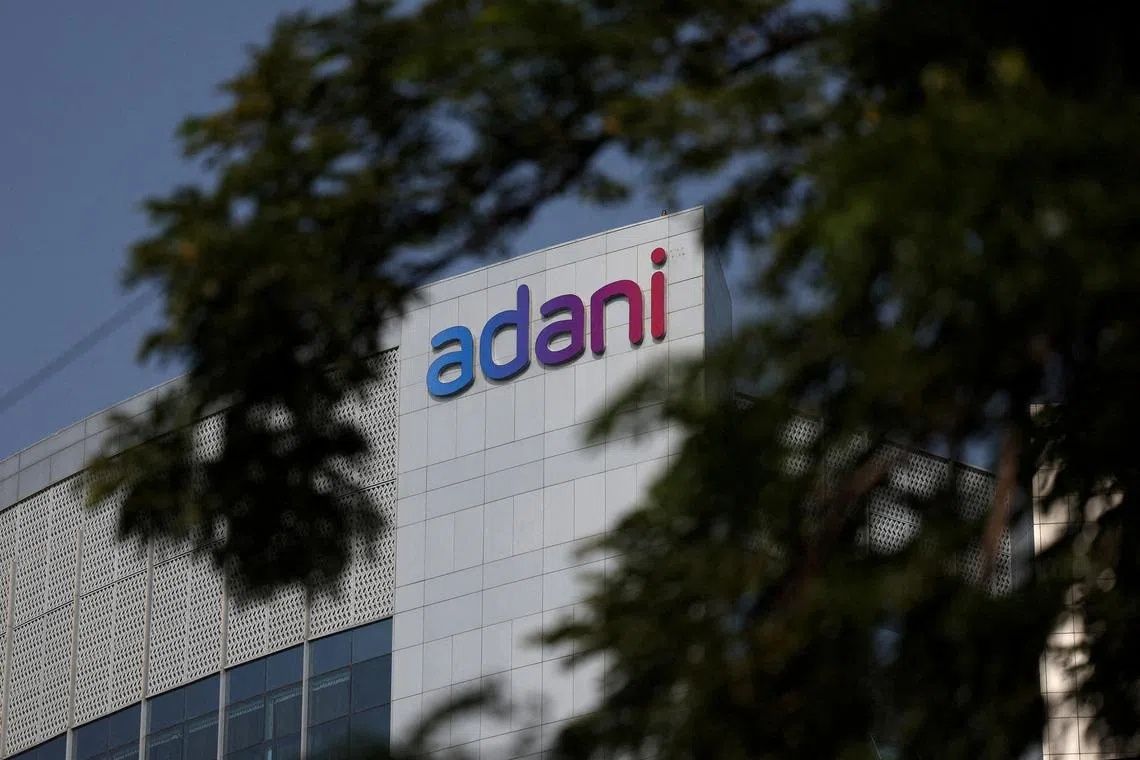
India's customs authorities have become the second major government agency to oppose the Adani Group's retail operations, backing the health ministry's legal challenge against the sale of nicotine pouches at airport duty-free shops. The development escalates regulatory pressure on billionaire Gautam Adani's sprawling business empire, which operates eight airports across India and is pursuing an ambitious US$11 billion expansion plan centred partly on duty-free retail revenues.
The dispute centres on a fundamental question of regulatory reach: whether international departure lounges fall outside India's domestic legal framework. Following a March inspection at Mumbai's international airport, health officials determined that nicotine pouch sales violated Indian law. Adani subsequently challenged this decision in Mumbai's High Court, arguing that duty-free shops occupy a special legal status as international transit zones beyond the scope of domestic health regulations.
In a filing submitted to the High Court on June 22, the customs department directly contested this interpretation. The authorities stated that tax advantages granted to duty-free retailers do not extend to exemption from other regulatory obligations. This position fundamentally reframes the legal debate, shifting focus from taxation status to the broader question of government authority over consumer goods sold within Indian territory.
Adani's legal team has maintained that the company operates within established customs norms governing duty-free retail. The group contends that nicotine pouches sold to departing passengers are intended for consumption outside India, sealed in special packaging specifically designed to prevent use until travellers cross international borders. This interpretation draws on long-standing conventions surrounding duty-free commerce in international aviation hubs worldwide.
However, customs officials have dismissed this argument as impractical and legally insufficient. They note that once passengers acquire duty-free goods, no mechanism exists to prevent immediate consumption. The theoretical restriction on usage becomes meaningless once items leave the controlled airport environment. This reasoning exposes a critical vulnerability in the Adani Group's defence: the difficulty of distinguishing between goods genuinely intended for external consumption and those likely to be used domestically.
The case reflects broader regulatory tensions surrounding nicotine pouches globally. These products represent one of the world's fastest-growing segments in the nicotine market, gaining rapid consumer acceptance in numerous countries. Philip Morris International, which manufactures the Zyn brand through Swedish subsidiary Smokeless Solutions, reported US sales doubling between 2023 and the following year. The products remain officially unapproved in India, placing retailers in a precarious legal position when offering them to Indian travellers.
Records show that since August, Adani's operations have imported significant quantities of both Zyn and White Fox brands from Swedish manufacturers, with documented shipments exceeding US$35,000 in value. This substantial import activity suggests the group views duty-free nicotine pouch sales as a strategically important revenue stream rather than an incidental offering. Such commercial commitment raises questions about whether the legal challenge reflects genuine regulatory interpretation or market protection for a lucrative product category.
The timing of this regulatory challenge carries implications for regional aviation and retail sectors. Adani's eight-airport portfolio represents significant infrastructure assets, and duty-free operations generate disproportionately high profit margins compared to standard retail. An adverse court ruling could establish precedent affecting how other Indian airport operators handle similar products and regulatory challenges, potentially constraining a growing revenue source across the aviation industry.
For Malaysian and Southeast Asian observers, the case highlights evolving regulatory approaches to emerging nicotine products. Nations across the region have adopted varying positions on nicotine pouches, with some maintaining blanket prohibitions while others permit regulated sales. India's aggressive regulatory stance, now reinforced by customs department intervention, suggests that Asian governments may increasingly scrutinise these products despite their popularity elsewhere. This creates complications for regional retailers and multinational companies operating across multiple jurisdictions with inconsistent regulatory frameworks.
The dispute also underscores regulatory gaps in international commerce frameworks. As goods become increasingly mobile and consumer preferences evolve more rapidly than legislative processes, governments struggle to address products that exist in legal grey areas. Duty-free retail presents particular challenges because these spaces occupy liminal positions between national jurisdictions, creating opportunities for regulatory arbitrage.
The High Court is scheduled to hear the case again on July 28, providing another opportunity for either party to strengthen arguments. The customs department's intervention suggests the Indian government views this matter as establishing important precedent regarding the scope of regulatory authority over goods sold in international transit zones. Should courts rule against Adani, the decision could reshape how Indian authorities approach duty-free retail regulation more broadly, affecting not only nicotine products but potentially other restricted substances and goods.
Adani Group and Indian authorities declined to provide further comment to international news agencies, maintaining their respective positions as the legal process continues. The outcome will likely influence regulatory approaches across South and Southeast Asia, where similar questions about the authority to regulate goods in international retail spaces remain unresolved.

