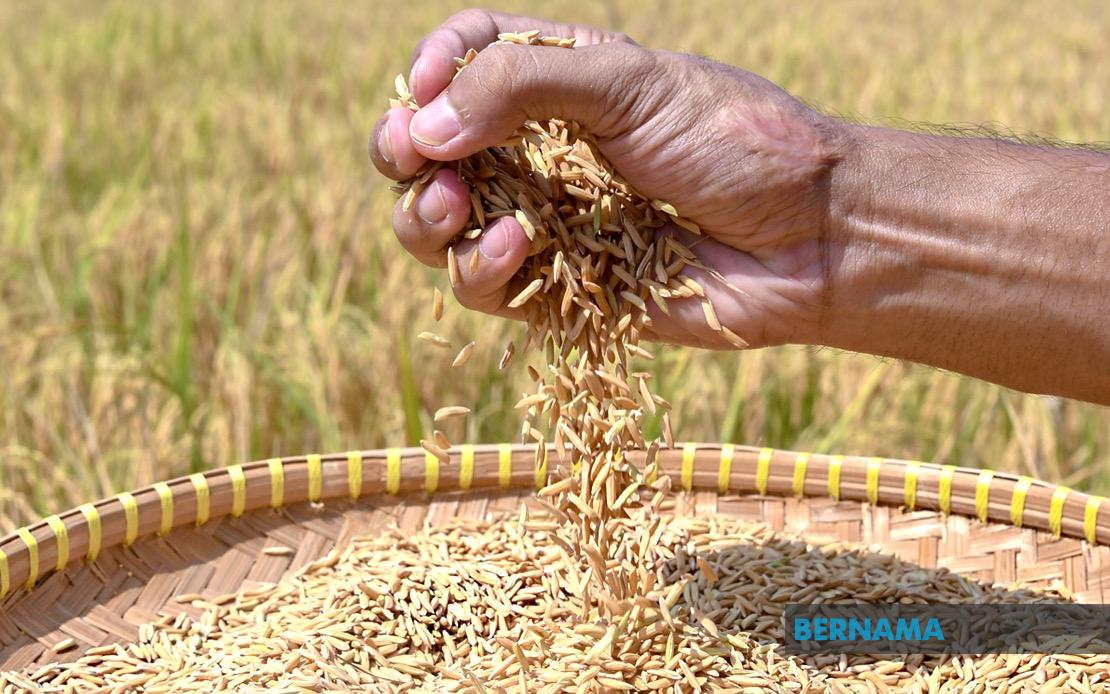
Indonesia's state logistics agency Bulog is pressing ahead with bilateral negotiations to supply rice to Malaysia and Singapore, marking a significant move in regional food security discussions and bilateral trade relations. The initiative comes as Jakarta seeks to leverage its agricultural capacity while managing domestic supply concerns, reflecting President Prabowo Subianto's strategic focus on balancing export opportunities with farmer welfare and national economic priorities.
Bulog president director Ahmad Rizal Ramdhani indicated that discussions remain ongoing with both nations, though negotiations have not yet progressed to on-the-ground delegation visits. According to statements reported by Antara News Agency, Malaysia has not yet confirmed its readiness to receive an Indonesian negotiating team, a prerequisite step before finalising commercial arrangements. Ramdhani emphasised that Bulog intends to maintain momentum in these talks, seeking commitment from Malaysian and Singaporean counterparts to schedule substantive face-to-face meetings that would allow both sides to reach binding agreements on price structures and delivery schedules.
The proposed arrangement with Malaysia represents the larger component of Indonesia's regional rice export strategy, involving 200,000 tonnes of the commodity. Discussions between the two nations have centred on securing a mutually acceptable price point that reflects both Indonesia's production costs and Malaysia's budgetary constraints for food imports. Pricing negotiations have proven complex, as both countries balance domestic political considerations—Malaysia's concerns about consumer food costs and Indonesia's obligations to support smallholder farmers—against the commercial imperatives of bilateral trade.
Simultaneously, Indonesia is advancing separate negotiations with Singapore for a smaller but strategically important shipment of 10,000 tonnes. This transaction was catalysed by high-level agricultural discussions held in Jakarta on June 29, where Indonesia's Agriculture Minister Andi Amran Sulaiman met with Singapore's Sustainability and the Environment Minister Grace Fu. The meeting reflected both nations' recognition of rice trade's importance to regional stability and their respective food security frameworks, particularly given Singapore's geographical constraints on agricultural production and its reliance on imports for staple grains.
President Prabowo Subianto has mandated that any rice export framework must incorporate safeguards for Indonesian farmers, signalling that Jakarta will not pursue export volumes that could compromise domestic supply or depress local prices. This constraint shapes Bulog's negotiating position with both Malaysia and Singapore, as the agency must balance revenue generation from exports against the political and economic necessity of maintaining affordable rice supplies within Indonesia. The presidential directive reflects broader concerns about agricultural livelihoods in rural areas, where rice farming remains a cornerstone of subsistence and commercial income for millions of Indonesians.
For Malaysia, sourcing rice from Indonesia offers several advantages beyond mere supply diversification. Geographic proximity reduces transportation costs and delivery times compared to longer-distance suppliers, while bilateral arrangements can be structured to provide price stability over multi-year contracts. Malaysia traditionally sources rice from multiple suppliers to mitigate dependency risks, and Indonesian rice complements existing sourcing from countries like Thailand and Vietnam. The proposed 200,000-tonne volume would represent a meaningful addition to Malaysia's import portfolio, though negotiations suggest Malaysian authorities are evaluating whether the proposed pricing aligns with budgetary allocations for food imports.
Singapore's engagement in these discussions, though involving a smaller quantity, underscores the city-state's proactive approach to food security despite its urban-centric economy. Singapore imports virtually all its rice and has long-term bilateral arrangements with multiple suppliers to ensure supply continuity. The 10,000-tonne shipment to Singapore would integrate within Singapore's broader portfolio of rice sources and reflects Jakarta's interest in strengthening ties with one of Southeast Asia's most economically developed nations and a key member of ASEAN's institutional framework.
These negotiations occur against the backdrop of regional rice market dynamics shaped by climate variability, production fluctuations, and geopolitical considerations. Indonesia's rice sector has experienced volatility in recent years, influenced by weather patterns, input costs, and policy shifts. Export opportunities allow Indonesian producers and the state logistics apparatus to monetise surplus production while supporting rural incomes, yet must be calibrated against domestic consumption needs and strategic reserves. Malaysia and Singapore, as net importers, face considerations about price stability and supply security that shape their negotiating parameters.
Bulog's role as the intermediary in these discussions reflects Indonesia's state-directed approach to agricultural trade, where a government agency manages large-scale commodity transactions rather than relying entirely on private market mechanisms. This structure provides Jakarta with direct leverage over export flows and pricing, enabling alignment with national policy objectives. However, it also requires coordination among multiple Indonesian government agencies, including the Agriculture Ministry, and necessitates that negotiations address not only commercial terms but also regulatory compliance and logistics arrangements.
The timeline for concluding these negotiations remains uncertain, dependent on Malaysia's scheduling readiness and both nations' ability to reconcile pricing expectations. Ramdhani's comments suggest Bulog anticipates delegations would visit Malaysia in the coming weeks or months, implying that preliminary framework agreements may be reached before year-end. Success in these talks would establish important precedents for regional agricultural trade and demonstrate Indonesia's capacity to participate in supply arrangements with more developed economies, potentially opening pathways for expanded agricultural commerce within ASEAN and beyond.
For Malaysian and Singaporean consumers, the successful conclusion of rice supply deals with Indonesia could influence food price stability and availability. Rice remains a staple carbohydrate across Southeast Asia, and securing reliable, competitively priced supplies is integral to social stability and cost-of-living management. Regional trade in agricultural commodities like rice reflects broader economic interdependence among ASEAN members and underscores how food security transcends national boundaries, requiring cooperation and transparent commercial engagement at the highest levels of government.

