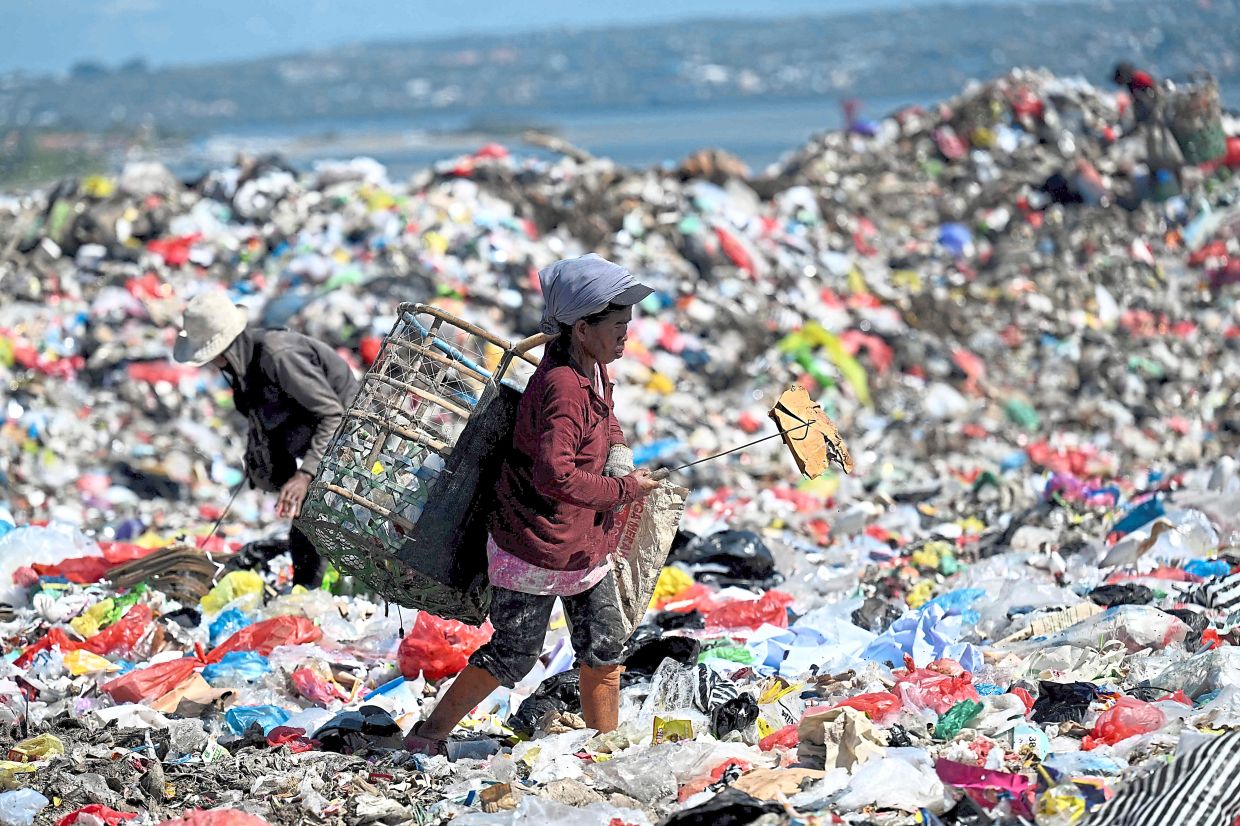
Indonesia has taken a significant step toward modernising its waste management infrastructure by breaking ground on its first waste-to-energy facility in Bali, a development that signals the country's commitment to transforming municipal refuse into a renewable energy source. The ceremonial inauguration took place on Wednesday, July 8, in Pedungan Village within South Denpasar, establishing a foothold for what is intended to become a nationwide programme addressing Indonesia's mounting waste disposal challenges. The project, spearheaded by Danantara Investment Management in collaboration with project developer Daya Energi Bersih Nusantara, represents a strategic intersection of environmental management and energy generation at a time when both sectors demand urgent attention across Southeast Asia.
Rosan Roeslani, chief executive officer of Danantara Indonesia, framed the initiative as a response to presidential direction from Prabowo Subianto, emphasising that waste management constitutes a collective responsibility requiring expedited action to prevent future generations from inheriting an exacerbated environmental burden. This rhetorical positioning aligns the infrastructure development with broader governance priorities, suggesting that the project enjoys high-level political backing and will likely receive continued institutional support. The involvement of Indonesia's sovereign wealth fund in championing this venture underscores the financial and strategic importance of integrating waste management with energy production in the country's long-term infrastructure planning.
The Bali facility utilises moving grate incinerator technology, a proven methodology deployed extensively across waste-to-energy installations worldwide and engineered to satisfy stringent European Industrial Emissions Directive compliance standards. This technological choice reflects a deliberate commitment to environmental safeguards rather than adopting cheaper, less regulated alternatives that might characterise lower-cost waste disposal solutions in developing nations. The European standard adherence provides reassurance to environmental advocates and international observers that the facility will operate within globally recognised parameters for emissions control and operational transparency, setting a potential benchmark for future projects across the region.
The environmental advantages associated with the facility extend beyond mere waste reduction. Projections indicate the installation could curtail emissions by up to 80 per cent per tonne of waste when compared against conventional open dumping practices at landfills, a substantial differential that underscores the environmental case for transitioning away from traditional disposal methods. This emissions reduction calculation becomes increasingly important as Southeast Asian nations grapple with air quality concerns and climate commitments, making waste-to-energy facilities strategically valuable components of broader decarbonisation efforts rather than simply convenient waste management solutions.
The construction and operational phases of the Bali project are anticipated to generate employment opportunities for up to 1,200 workers across green job categories, contributing to Indonesia's workforce development goals while building technical expertise in renewable energy infrastructure. This employment dimension often receives insufficient attention in infrastructure announcements, yet it represents a tangible benefit for local communities that extends beyond abstract environmental metrics. For Malaysia and other Southeast Asian economies facing similar waste management pressures, the employment multiplier effects of such facilities merit careful consideration when evaluating project viability and social impact.
The commercial framework securing the project's financial sustainability involves a Power Purchase Agreement between the facility operator and state utility PLN, formalised during the groundbreaking ceremony. This contractual arrangement provides the venture with long-term revenue certainty by guaranteeing electricity purchase commitments from a creditworthy government entity, addressing one of the primary financial risks that can derail infrastructure projects in emerging markets. The PLN involvement demonstrates institutional acceptance of waste-to-energy as a legitimate component of Indonesia's electricity generation portfolio, potentially easing regulatory pathways for subsequent similar projects and signalling market confidence in the technology's viability.
Indonesia's waste generation profile renders such infrastructure projects increasingly urgent. The nation produces in excess of 140,000 tonnes of municipal waste daily, a figure that reflects both rapid urbanisation and the environmental pressures accompanying economic development across densely populated archipelago regions. This waste volume far exceeds the capacity of conventional landfill infrastructure to absorb sustainably, creating environmental hazards including methane emissions, groundwater contamination, and land consumption that inevitably accumulate when disposal depends solely on burial rather than transformation. For Malaysia, which confronts comparable waste generation challenges, Indonesia's emerging waste-to-energy framework offers instructive lessons regarding technology deployment, regulatory architecture, and financing mechanisms.
The strategic positioning of waste-to-energy within Indonesia's broader energy strategy reflects recognition that renewable electricity generation can originate from unconventional sources including waste streams that would otherwise occupy landfill capacity or generate environmental externalities. As Indonesia pursues climate commitments and endeavours to diversify electricity sources beyond fossil fuels, waste-to-energy facilities represent pragmatic intermediate solutions that simultaneously address waste management deficits and energy production requirements. This dual functionality distinguishes waste-to-energy from competing renewable technologies and explains why governments across the region increasingly incorporate such facilities into infrastructure development pipelines.
The Bali facility's significance extends beyond immediate local impacts to demonstrate Indonesia's willingness to embrace technological solutions for environmental challenges that disproportionately affect developing economies. The project's alignment with international environmental standards suggests aspirations toward positioning Indonesia as an emerging leader in sustainable infrastructure within the Southeast Asian context, potentially attracting international investment and technical partnerships while establishing replicable models for other regional economies facing analogous waste management crises. The groundbreaking thus represents not merely an isolated infrastructure project but a foundational step toward systematically reconceptualising how Indonesia's municipalities approach waste, energy generation, and environmental stewardship across interconnected policy domains.

