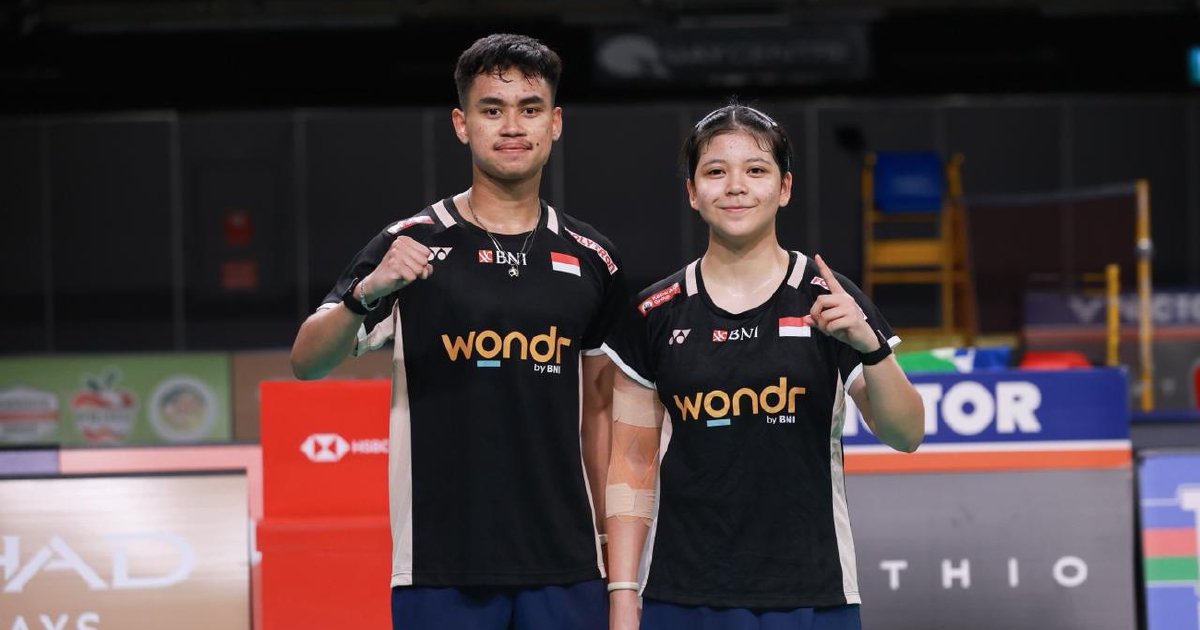
The Indonesia Badminton Association (PBSI) has made the significant decision to pull two mixed doubles pairings from competing at the World Championships scheduled for August 17-23 in New Delhi, a move directly prompted by ongoing match-fixing investigations being conducted by the Badminton World Federation (BWF). This withdrawal underscores the escalating concerns within international badminton regarding competitive integrity and the sport's governance structures at both regional and global levels.
The removal of these partnerships represents a notable moment for Indonesian badminton, which has historically been a powerhouse in the sport across multiple disciplines. Mixed doubles has long been a competitive arena where Indonesian players have showcased considerable technical prowess and tactical sophistication. The decision to sideline participants at such a prestigious international tournament indicates the seriousness with which the PBSI is treating the allegations and the broader credibility concerns that have emerged.
Match-fixing investigations within professional badminton have intensified scrutiny on the sport's integrity mechanisms. The BWF, as the international governing body, has been tasked with ensuring fair play across all sanctioned competitions. When allegations surface involving prominent players or federations, the organisation faces pressure to act decisively while maintaining procedural fairness. The Indonesian federation's proactive stance in withdrawing the affected pairs suggests a commitment to demonstrating accountability rather than allowing potentially compromised competitors to represent the nation on the world stage.
The New Delhi World Championships represent one of badminton's most prestigious biennial tournaments, attracting elite players from across the globe and serving as a critical platform for establishing rankings and securing Olympic qualification points. The absence of these Indonesian mixed doubles pairs fundamentally alters the competition's dynamics and denies the federation the opportunity to accumulate valuable ranking points in this category. For the players involved, the withdrawal raises broader questions about their standing within the sport and potential career implications pending the investigation's outcome.
Indonesia's decision to voluntarily withdraw competitors ahead of final investigations appears calculated to manage reputational damage while maintaining constructive engagement with the BWF's investigative process. This approach contrasts with instances where federations have attempted to shield implicated athletes, and may be perceived as a pragmatic effort to protect the broader image of Indonesian badminton internationally. However, the move also raises questions about due process and the presumption of innocence that typically governs competitive sport.
The timing of this announcement, coming just before a major international championship, creates significant disruption for team management and preparation schedules. Coaching staff must reorganise strategies, alternative partnerships may be hastily assembled, and the federation must navigate both the practical challenges of competition restructuring and the public relations implications of the decision. Such disruptions typically ripple through national team dynamics and can affect athlete morale and confidence during crucial preparation phases.
For Southeast Asian badminton more broadly, this situation highlights ongoing challenges regarding governance and ethical compliance within the region's sporting infrastructure. As badminton continues to grow in popularity and financial stakes increase, the temptations and organisational vulnerabilities surrounding competitive integrity become more acute. Other federations in the region will likely observe how this situation unfolds and assess whether their own governance frameworks adequately address similar vulnerabilities.
The BWF's role in this matter carries particular significance given its responsibility for maintaining the sport's credibility at the international level. Investigations of this magnitude require careful handling to ensure rigorous fact-finding while avoiding premature conclusions or disproportionate sanctions. The federation's actions set precedents for how serious allegations are addressed and can influence the behaviour of member associations in future circumstances.
Looking forward, the outcome of these investigations may have lasting consequences for Indonesian badminton's international standing and the reputational capital of the sport within the country. Successful resolution that demonstrates the effectiveness of governance mechanisms could reinforce confidence in the sport's integrity systems. Conversely, if investigations uncover systemic issues or inadequate preventive measures, pressure may mount for more comprehensive reforms across national and international badminton structures.
For Malaysian badminton enthusiasts and administrators, developments within the Indonesian federation merit close attention, particularly given the intense regional rivalry and interconnected nature of Southeast Asian badminton. The standards applied to Indonesian cases may influence how similar situations are handled domestically, and the effectiveness of the BWF's investigative processes has direct implications for the credibility of international competitions that Malaysian athletes participate in and win.

