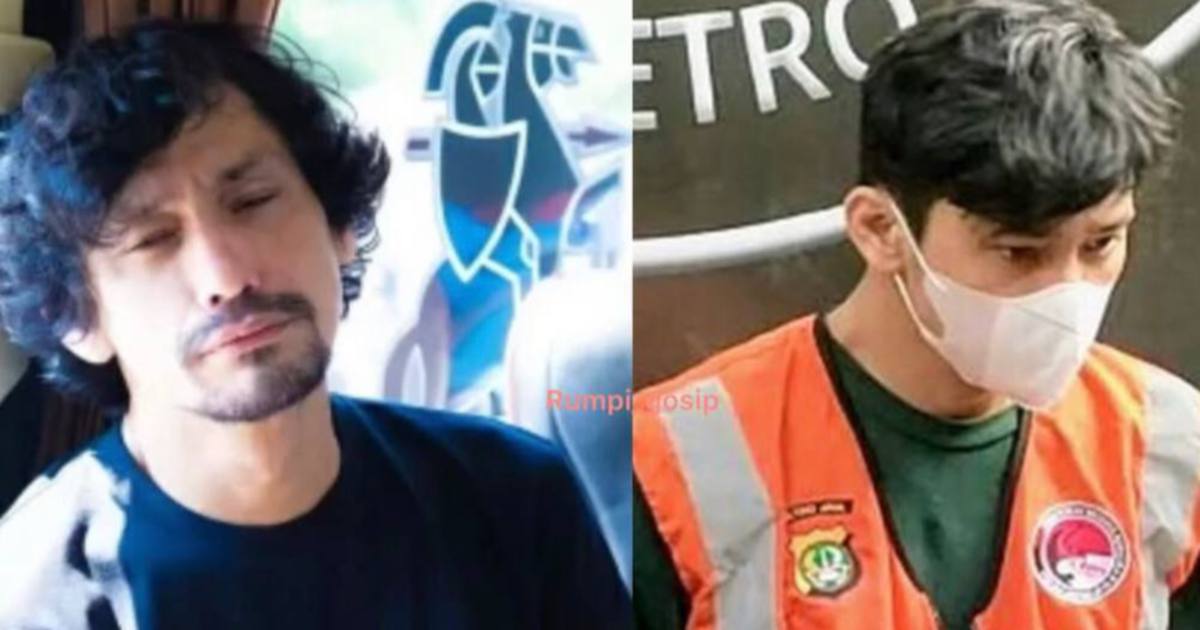
Indonesian actor Revaldo Fifaldi has been detained yet again, marking his fourth arrest on drug-related charges after police conducted a raid on an apartment located in South Jakarta. The operation, executed yesterday, represents another chapter in the recurring legal troubles that have increasingly defined the career trajectory of the entertainment industry figure.
The apartment raid was carried out as part of ongoing anti-narcotics enforcement operations in the capital, which have intensified in recent years as authorities attempt to combat drug distribution and consumption networks operating within residential areas. South Jakarta, like many affluent neighbourhoods in the metropolitan area, has become a focal point for law enforcement agencies pursuing suspected narcotics offences across various socioeconomic strata.
Revaldo's repeated entanglement with the criminal justice system over substance-related matters underscores a persistent pattern that extends well beyond a single lapse in judgment. With four arrests now on his record, the actor's situation exemplifies how addiction and legal consequences can become cyclical, particularly when individuals within the public eye fail to secure lasting rehabilitation or intervention. Each detention has generated significant media attention, contributing to the erosion of his professional standing in an industry that remains acutely sensitive to reputational damage.
The frequency of these arrests raises pertinent questions about the efficacy of Indonesia's current approach to drug offenders, particularly regarding rehabilitation and reintegration pathways. While enforcement operations remain crucial components of drug control strategy, critics have long contended that incarceration without comprehensive addiction treatment produces limited deterrent effects and often perpetuates cycles of recidivism. Revaldo's case provides a stark illustration of how the criminal justice system, when operating independently of robust rehabilitation frameworks, may struggle to catalyse genuine behavioural transformation.
Indonesia maintains some of the world's most stringent drug laws, with penalties ranging from substantial prison sentences to capital punishment in trafficking cases. Possession charges, however, typically result in custodial sentences rather than execution, yet the legal consequences remain severe enough to impose considerable hardship. For individuals in the entertainment sector, conviction invariably results in professional ostracisation and severely constrained employment opportunities, creating additional psychological and financial pressures that may inadvertently complicate recovery prospects.
The involvement of a public figure in repeated drug-related incidents generates broader implications for public discourse around substance abuse in Indonesia and across Southeast Asia. Celebrity cases attract disproportionate media coverage and public commentary, sometimes overshadowing the systematic dimensions of drug abuse that affect millions of ordinary citizens without the visibility accorded to entertainment personalities. This asymmetry in attention can distort public perception regarding the nature and scale of narcotics problems within society.
For Malaysian observers and regional audiences, Revaldo's situation resonates within the broader Southeast Asian context, where drug enforcement remains a paramount policy priority and a recurring source of diplomatic engagement. Malaysia, like Indonesia, has implemented stringent drug control measures and maintains regional cooperation frameworks aimed at disrupting trafficking networks. The parallel challenges faced by both nations in addressing substance abuse—spanning prevention, enforcement, and rehabilitation—highlight shared regional vulnerabilities and the necessity for coordinated responses.
The entertainment industry in Southeast Asia has historically grappled with managing the reputational fallout associated with high-profile drug cases. Production companies, broadcasters, and sponsors typically distance themselves rapidly from individuals facing narcotics allegations, effectively terminating career prospects. This professional consequence, while intended as a deterrent, can paradoxically intensify desperation and marginalisation for individuals struggling with addiction, potentially hindering rehabilitation efforts.
Authorities in Jakarta have escalated anti-narcotics operations throughout 2024, reflecting heightened governmental focus on domestic drug control following international scrutiny of trafficking patterns emanating from Southeast Asia. These enforcement campaigns frequently target residential neighbourhoods alongside entertainment venues and commercial districts, suggesting that drug consumption cuts across geographical and socioeconomic boundaries within urban centres. Revaldo's detention aligns with this broader enforcement tempo, though his celebrity status ensures considerably elevated public and media attention.
The circumstances surrounding substance abuse in entertainment sectors warrant serious policy consideration beyond punitive responses. Mental health support, addiction counselling, and graduated rehabilitation programmes have demonstrated greater efficacy in reducing recidivism than incarceration alone. Yet access to such services remains inconsistent across Indonesian correctional facilities, and private treatment options remain financially inaccessible for many individuals.
Moving forward, Revaldo's case presents an opportunity for constructive dialogue regarding how criminal justice systems, healthcare infrastructure, and entertainment industry practices might collaborate more effectively in addressing addiction among public figures. Such integration could potentially transform individual cases from cyclical tragedy into catalysts for systemic improvement, benefiting not only celebrities but broader populations struggling with substance dependence across Indonesia and the region.

