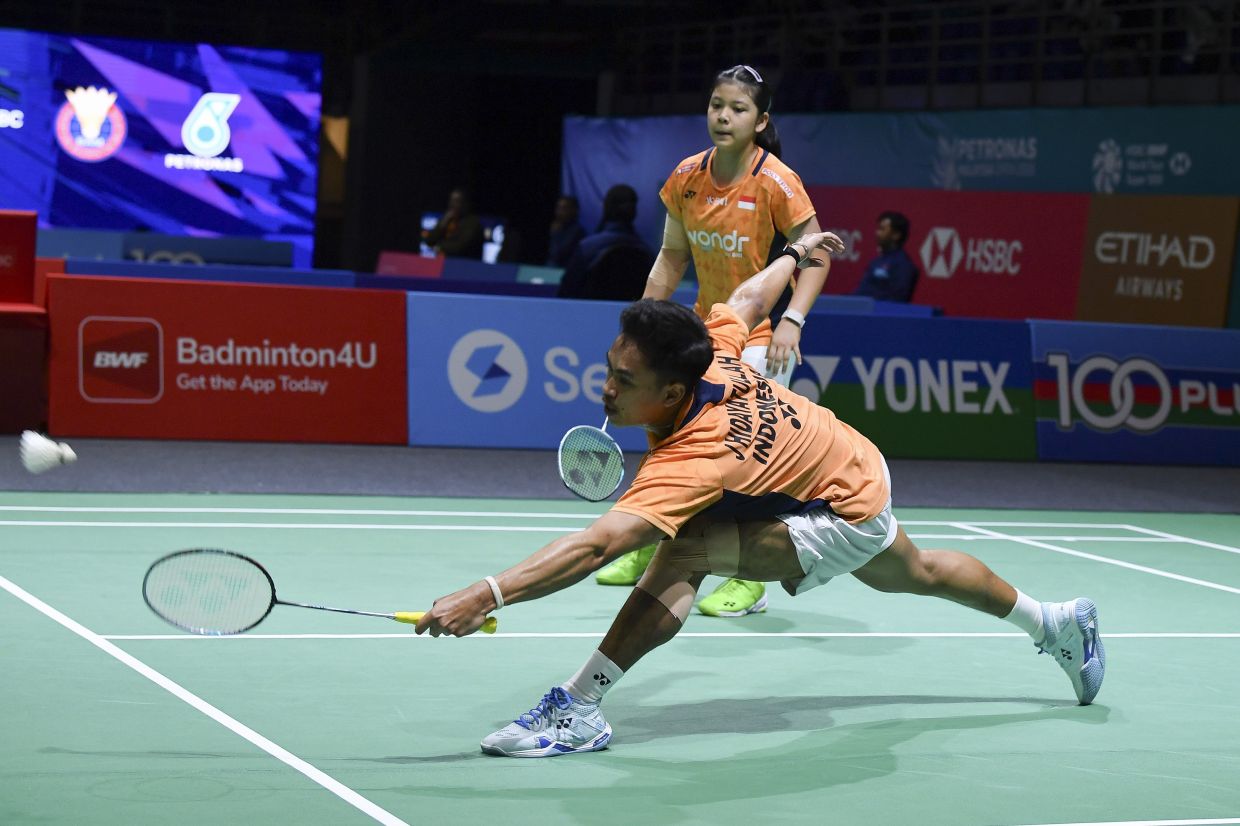
Two Indonesian mixed doubles pairs have been withdrawn from the World Championships as the sport grapples with an expanding investigation into alleged match-fixing, raising fresh questions about the integrity of competitive badminton in Southeast Asia's powerhouse nation. The world No. 13-ranked partnership of Jafar Hidayatullah and Felisha Pasaribu, along with Adnan Maulana and Indah Cahya Sari Jamil, will not compete at the prestigious tournament, with the Indonesian Badminton Association citing administrative adjustments while the Badminton World Federation conducts formal proceedings against several players accused of integrity violations.
Although the Indonesian Badminton Association, known as PBSI, has refrained from explicitly confirming the connection between the withdrawals and the match-fixing allegations, the timing and circumstances have prompted considerable speculation within the badminton community. The lack of transparency regarding the specific reasons for removing two competitive pairs from the squad has intensified scrutiny of Indonesian badminton's governance structures and the scale of potential misconduct within the sport. Such withdrawals so close to a major international event are unusual and typically signal serious underlying concerns.
Ricky Soebagdja, secretary-general of PBSI, released a carefully worded statement describing the squad changes as part of routine adjustments designed to ensure compliance with international regulations and participation standards. The association deliberately sidestepped any direct reference to match-fixing or the judicial inquiry, instead emphasizing procedural correctness and adherence to established guidelines. This measured approach reflects the delicate position faced by Indonesian badminton authorities, who must balance transparency with respect for an ongoing investigation while managing public perception and maintaining faith in the sport's credibility.
The Badminton World Federation's independent judicial proceedings represent a significant moment for global badminton governance. By initiating formal hearings against multiple Indonesian players, the BWF is signalling its commitment to prosecuting integrity violations with rigour and impartiality, regardless of a nation's badminton prominence. For Malaysia and other Southeast Asian badminton nations, the investigation underscores the importance of robust anti-corruption frameworks and demonstrates that even players from established badminton programmes face consequences when integrity standards are breached.
Adnan Maulana and Indah Cahya Sari Jamil withdrew from the World Championships on July 13, with Jafar Hidayatullah and Felisha Pasaribu following approximately two weeks later on July 29. The staggered nature of these withdrawals suggests that the investigation may have unfolded in stages, with initial concerns prompting the first pair's removal and subsequent developments leading to the second withdrawal. The deliberate timing of the announcements likely reflects PBSI's attempt to manage the narrative and limit reputational damage to Indonesian badminton.
Despite losing two mixed doubles pairings, Indonesia has moved swiftly to maintain competitive representation at the World Championships through tactical squad adjustments. Amri Syahnawi and Nita Violina Marwah will lead Indonesia's mixed doubles contingent, while Rehan Kusharjanto and Gloria Widjaja have been promoted from the reserve list to ensure full participation in the discipline. This approach demonstrates PBSI's determination to prevent the investigation from undermining Indonesia's competitive standing at a major international tournament, though questions remain about whether the remaining pairings can perform at their best against a backdrop of institutional turmoil.
The investigation's scope extends beyond the two withdrawn pairs, encompassing several other Indonesian players whose identities and alleged violations remain undisclosed. This broader net suggests that match-fixing concerns may be more systemic within Indonesian badminton rather than isolated to individual athletes. For Malaysian stakeholders monitoring badminton governance across the region, the investigation raises important considerations about how widespread such problems might be and whether additional scrutiny should be applied to matches involving players from multiple nations.
PBSI has explicitly declined to provide further commentary while the BWF's Independent Hearing Panel continues deliberations, emphasizing that all parties should refrain from speculation until formal findings are announced. This cautious stance protects the investigation's integrity and prevents prejudgment, but also leaves significant information gaps that fuel public curiosity and concern. The association's appeal for restraint reflects standard practice in judicial proceedings, yet the absence of detail creates uncertainty about when the public will receive clarity on the allegations, evidence, and outcomes.
The episode highlights persistent vulnerabilities in badminton's regulatory architecture, particularly concerning match-fixing prevention and detection across Asian circuits. While the BWF's willingness to pursue independent proceedings demonstrates institutional commitment to enforcement, the fact that multiple players from a major nation could allegedly become involved in integrity breaches suggests that preventive education, monitoring, and deterrent mechanisms may require substantial reinforcement. Regional cooperation among Southeast Asian badminton federations, including Malaysia, could strengthen collective resistance to corruption and create more transparent accountability structures.
For Malaysian readers, these developments carry particular relevance given badminton's cultural significance and Malaysia's longstanding rivalry with Indonesia in major tournaments. The investigation's findings will shape perceptions of Indonesian badminton's credibility and may influence how Malaysian athletes and officials approach competition preparation and match analysis. Additionally, the episode underscores the importance of robust governance within Malaysian badminton to ensure that domestic standards remain above reproach and that Malaysia's sporting reputation is protected from similar allegations.
The withdrawals also reflect broader challenges facing professional badminton players in Southeast Asia, where financial pressures, gambling interests, and the sport's competitive intensity can create environments conducive to misconduct. Understanding these structural factors is essential for developing comprehensive solutions that address root causes rather than merely punishing individual transgressions. Education programmes, player welfare initiatives, and transparent governance mechanisms must work in concert to reduce incentives for match-fixing and strengthen the sport's ethical foundation across the region.

