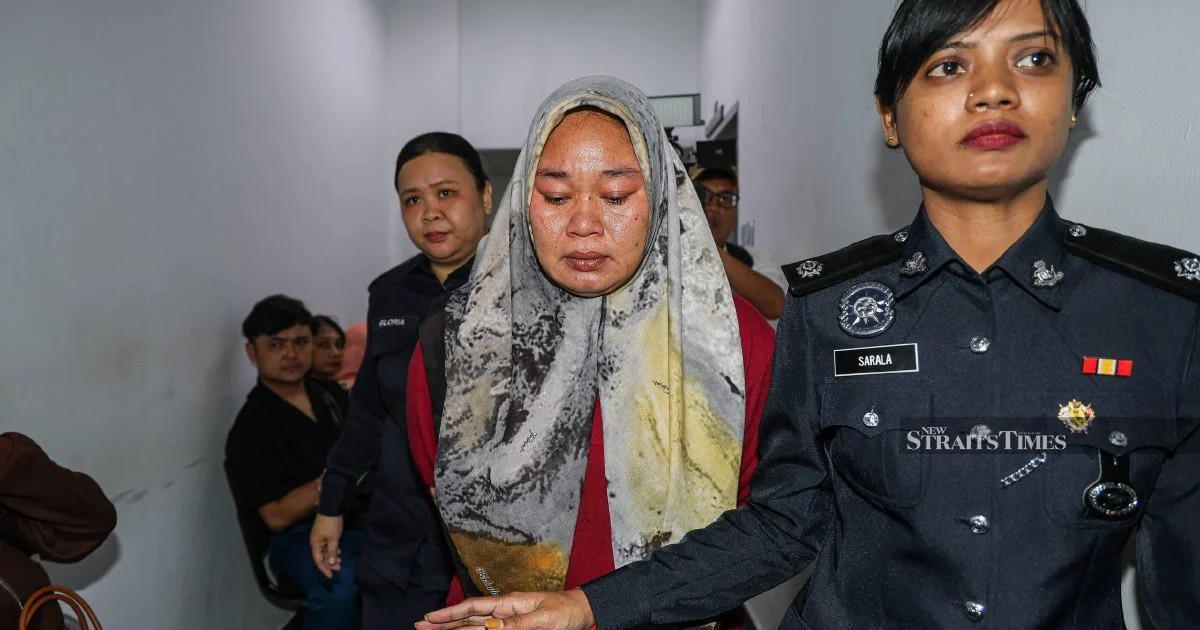
An Indonesian domestic helper appeared before Johor Baru Sessions Court today to face charges related to the abuse of her employer's one-year-old child, a case that gained significant public attention through social media circulation last year. The charges mark a formal legal response to allegations that had sparked considerable concern among Malaysian households employing foreign domestic workers.
The incident underscore persistent challenges within Malaysia's domestic helper sector, where young children remain vulnerable despite the presence of caregivers tasked with their protection. The case gained traction online after a video showing the alleged abuse circulated widely, prompting discussions about workplace standards, employment practices, and the safeguarding of minors in home environments. Such viral instances often trigger broader examination of how domestic employment arrangements function across the country.
Malaysia's reliance on foreign domestic workers—predominantly from Indonesia, the Philippines, and Bangladesh—has grown substantially over decades. Families increasingly turn to live-in helpers to manage household tasks and childcare, particularly as dual-income households become the norm. This dependence creates both practical necessity and inherent vulnerability, as caregivers wield significant unsupervised access to children during formative developmental years. The arrangement requires considerable trust between employers and workers, yet power imbalances and communication barriers frequently complicate relationships.
Indonesian nationals comprise the largest segment of Malaysia's foreign domestic worker population, estimated at hundreds of thousands. Despite bilateral labor agreements and regulated placement procedures, allegations of mistreatment—affecting both helpers and the families they serve—periodically surface. Abuse cases involving helpers and children attract particular scrutiny because victims cannot articulate their experiences, placing responsibility entirely on adults to recognize and report signs of harm.
The judicial process now underway in Johor Baru will establish factual findings through court examination of evidence and testimony. Such proceedings carry implications beyond the individual case, potentially influencing how employers evaluate hiring decisions, conduct background checks, and implement household safety protocols. Legal outcomes also send signals to both domestic helpers and employers regarding accountability standards within private household spaces.
Child protection advocates have consistently emphasized that domestic settings require equivalent safeguarding principles to institutional childcare environments. Yet homes operate with minimal oversight compared to licensed facilities subject to regular inspections. This regulatory gap means parental vigilance becomes the primary defense mechanism, placing burden on individual families to establish monitoring systems, conduct random checks, and maintain open communication with young children about their daily experiences.
The viral nature of the original abuse allegations highlighted how social media accelerates public awareness of domestic crises while sometimes outpacing formal investigations. Digital circulation of such incidents shapes public perception and can either facilitate justice through community pressure or distort facts through incomplete information. Malaysian authorities have sought to balance these dynamics by encouraging proper reporting channels while managing sensationalized narratives that might prejudice investigations.
For domestic helper employment broadly, high-profile cases create cascading effects. Some families respond by installing surveillance systems, requesting video documentation of daily activities, or curtailing helper responsibilities. Others become more cautious during hiring, demanding extensive references and background verification. These protective measures, while understandable, can paradoxically increase pressure on helpers already working under stressful conditions with limited oversight of their own welfare.
Indonesia-Malaysia relations extend considerably beyond domestic employment, encompassing trade, cultural exchange, and regional cooperation. Nevertheless, treatment of Indonesian nationals working as domestic helpers remains a sensitive bilateral matter. The Indonesian government periodically raises concerns about working conditions and reported abuses, while Malaysia maintains that contractual agreements and legal protections exist. Individual cases like this one affect public discourse in both nations regarding rights and responsibilities.
The legal proceedings in Johor Baru will ultimately determine culpability based on evidence presented. Simultaneously, the case perpetuates ongoing national conversation about child protection mechanisms within household employment frameworks. Questions persist regarding whether current regulations sufficiently protect vulnerable populations—both young children and the workers caring for them—or whether systemic reforms remain necessary to establish clearer standards, better training requirements, and more effective oversight mechanisms.
As this case progresses through the judiciary, it serves as reminder that child safety within domestic spaces remains shared responsibility extending beyond individual families. Employers, helpers, government agencies, and communities all bear accountability for creating environments where young children receive appropriate care and protection from harm, regardless of who provides direct supervision.